
What it costs
- Free tier
- No
Paid book, but the scrape captured the generic Amazon.com homepage — no product/book price is shown.
Auto-checked on 8 August 2026Source
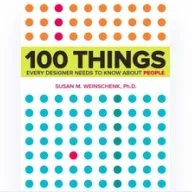
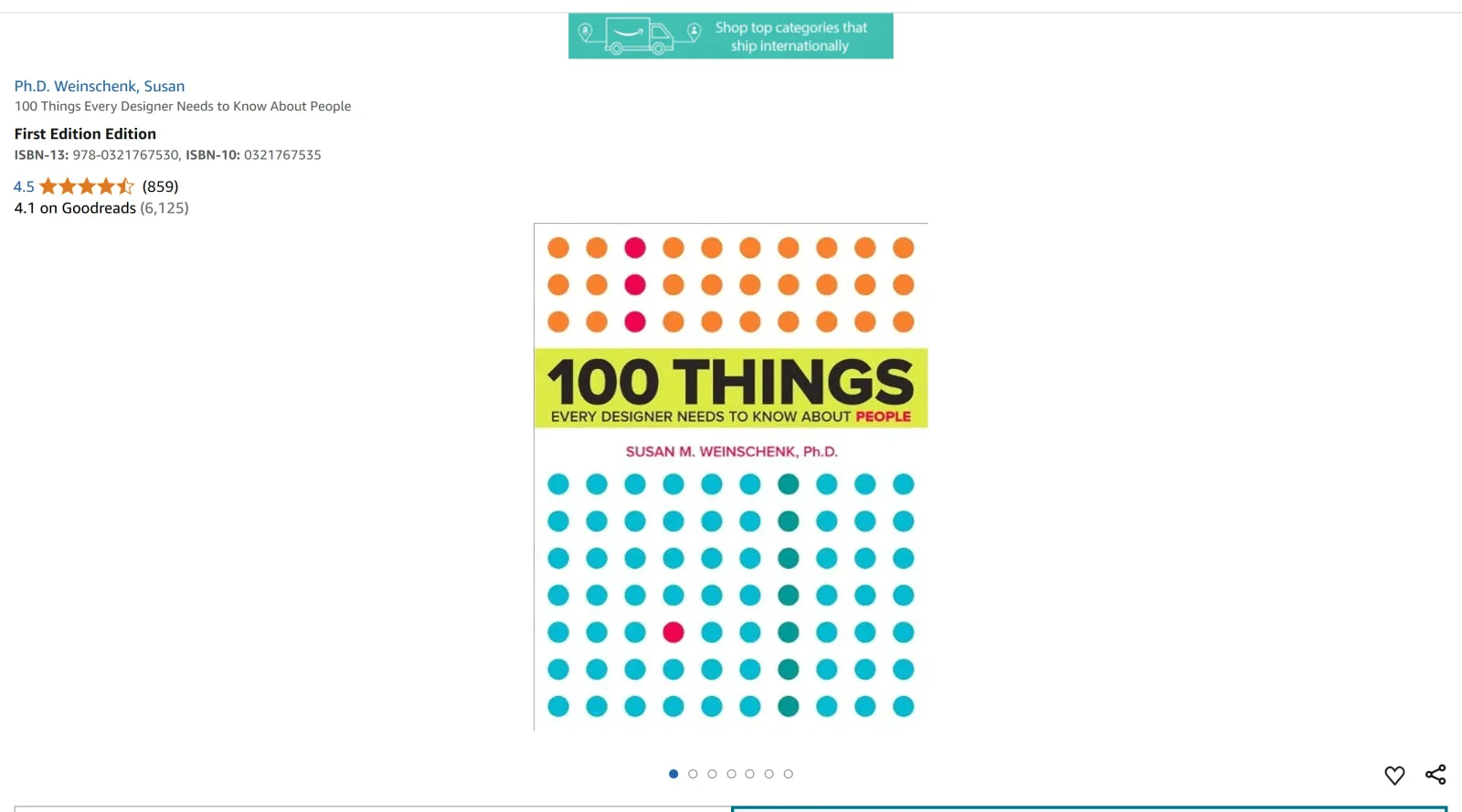
About 100 Things Every Designer Needs to Know About People
What Is 100 Things Every Designer Needs to Know About People?
100 Things Every Designer Needs to Know About People by Susan Weinschenk presents 100 principles drawn from behavioral science, psychology, and cognitive research, applied directly to design practice. Written by Susan Weinschenk, a behavioral science expert and CEO at The Team W, Inc., the book examines how human perception, cognition, and social behaviors influence design outcomes across websites, applications, products, and print materials. It positions itself within the intersection of UX research and design thinking, offering insights into the psychological factors that shape user interactions and responses.
What 100 Things Every Designer Needs to Know About People Covers
- How people see and process visual information, including attention to elements like human faces, food, sex, or danger, and the roles of peripheral versus central vision.
- How people read and remember, covering optimal line lengths for text, chunking information, memory organization by categories, and factors that make memories stick.
- How people think and focus attention, with details on mental models, conceptual models, sustained attention limits of 7-10 minutes, and predicting user errors.
- What motivates people, including responses to rewards, positive reinforcement, surprises, emotions tied to muscle movements, and universal basic emotions.
- How people decide, addressing unconscious decision-making, cognitive biases like scarcity, the influence of mood and group dynamics, and preferences for defaults or choices.
- People as social animals, exploring Dunbar's number of 150 for social circles, imitation, empathy, online social rules, and brain synchronization in communication.
Key Takeaways from 100 Things Every Designer Needs to Know About People
Readers of 100 Things Every Designer Needs to Know About People gain frameworks for understanding perceptual mechanisms, such as proximity enhancing perceived connections and the impact of look-and-feel on trust. Susan Weinschenk details cognitive processes like mental models formed from user experiences and the need for feedback to clarify interactions. The book outlines social influences, including how anecdotes persuade more than data and smells evoke emotions, alongside decision triggers like valuing physical presence or time over money. These principles, each presented in 1-2 pages with real-world examples and research references, enable designers to align work with innate human behaviors in areas like visual design principles and interface interactions.
Who Is 100 Things Every Designer Needs to Know About People For?
100 Things Every Designer Needs to Know About People suits UX designers, web developers, product designers, and e-learning creators seeking to incorporate psychological insights into their work. It addresses those involved in creating intuitive interfaces, applications, or visual communications, particularly individuals exploring UX research or behavioral design for the first time, as well as practitioners aiming to refine user engagement through evidence-based principles. Professionals in graphic design or interaction design find relevance in its coverage of attention, motivation, and decision-making. Learn more about 100 Things Every Designer Needs to Know About People
Featured Tools
Sponsored
Artlist
Royalty-free music, SFX, 8K footage, templates, LUTs and 100+ AI models on a single subscription for video creators.

Icons8
Large icon packs featuring over 10,000 icons for consistent design themes.

Vidu
AI video generator with text, image and reference-to-video modes, producing 3–16 second clips at up to 1080p with characters that stay consistent across shots.
Your tool here
The tools above are our own picks until the slots sell.
Spotlight
SponsoredRotates daily
Kittl
AI-first design platform with image, vector, and video generation, plus templates, mockups, and print-ready exports.
More Books Tools
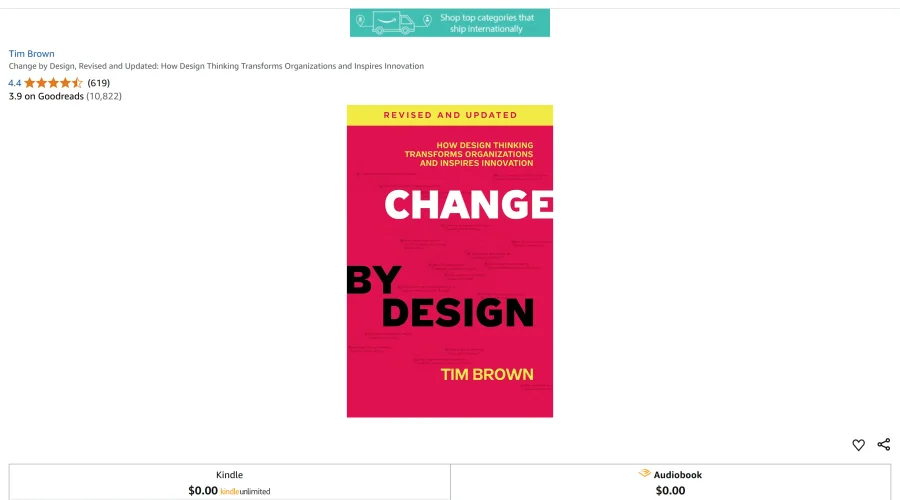
Change by Design
Tim Brown
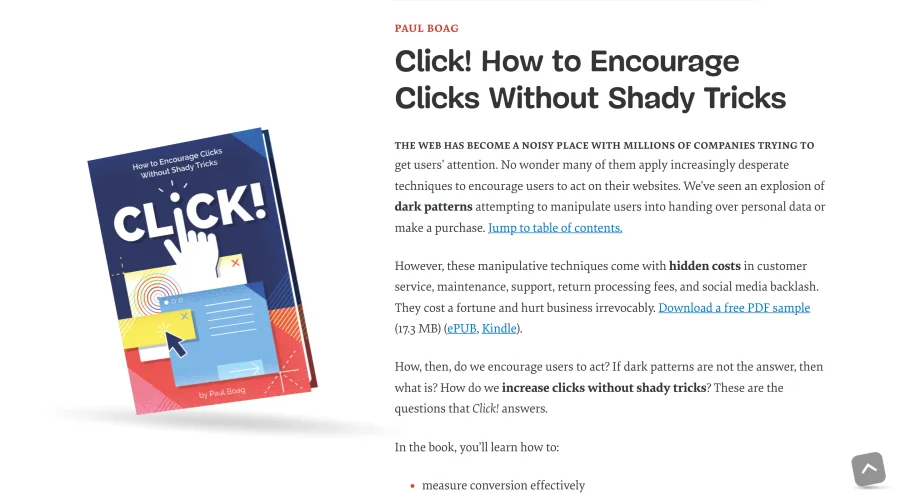
Click!
Strategies for ethical design that encourages user engagement.


Design Systems & DesignOps in the Enterprise
UXPin, Whitespace
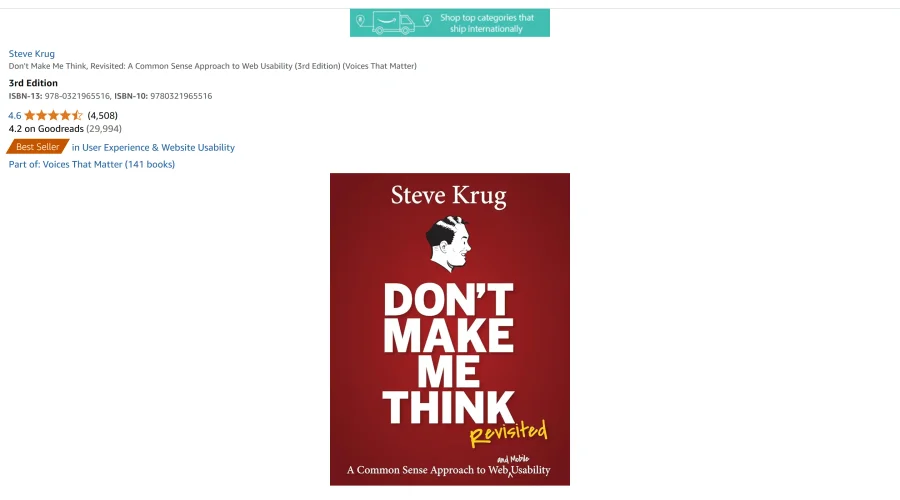
Don't Make Me Think: A Common Sense Approach to Web Usability
Steve Krug

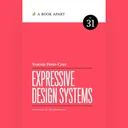
Expressive Design Systems
Yesenia Perez-Cruz

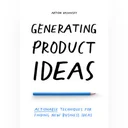
Generating Product Ideas: Actionable Techniques for Finding New Business Ideas
Artiom Dashinsky
Explore Other Categories
Discover more design resources
New to Design?
Explore our comprehensive design glossary to master essential terminology from A/B Testing to Wireframes.
Browse GlossaryLooking for something specific?
Search through our entire collection of design tools and resources