
What it costs
- Free tier
- No
Paid book on Amazon; the scrape returned Amazon's generic storefront rather than the product page, so the book's price was not captured.
Auto-checked on 8 August 2026Source
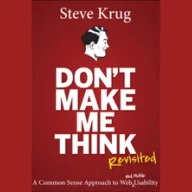
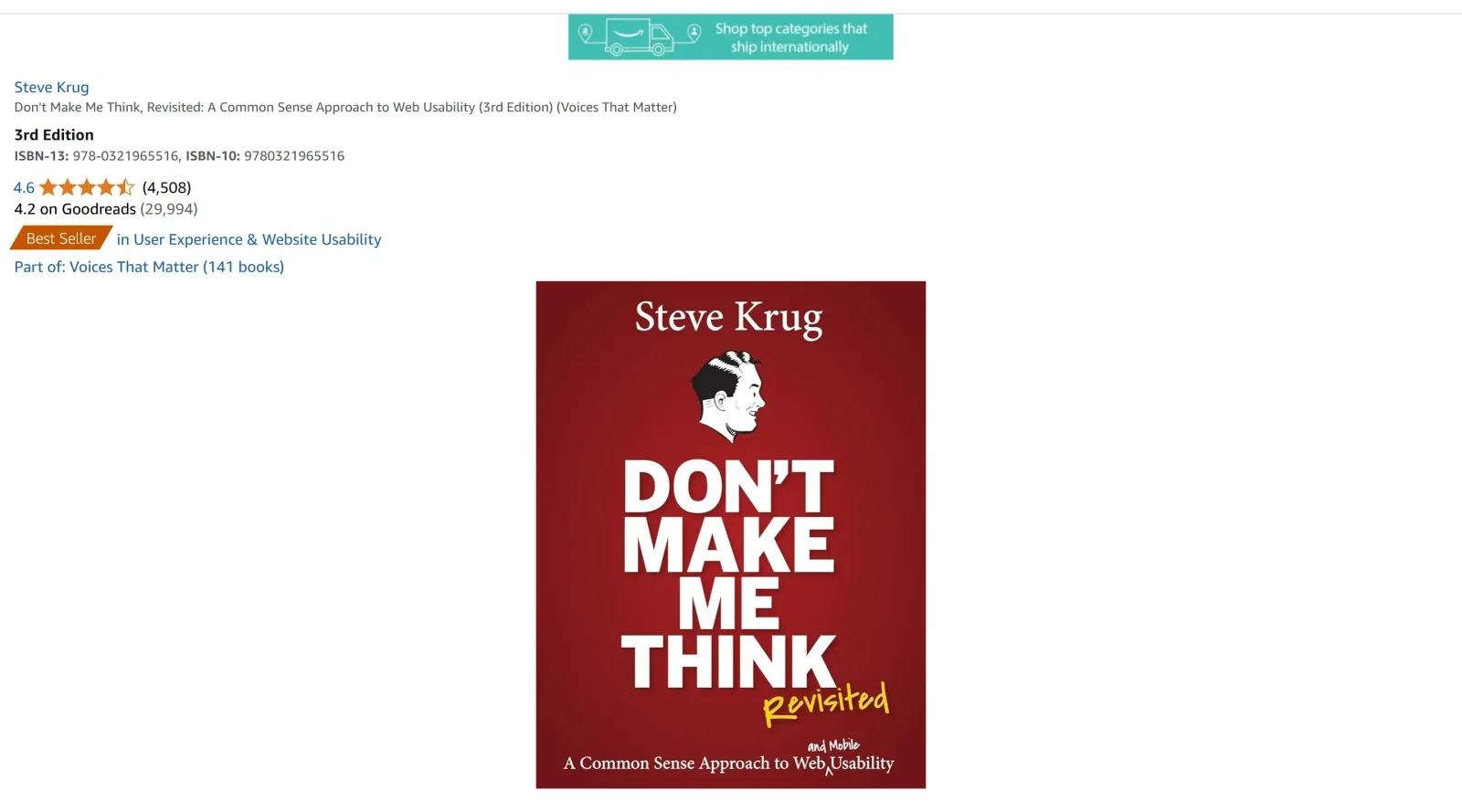
About Don't Make Me Think: A Common Sense Approach to Web Usability
What Is Don't Make Me Think: A Common Sense Approach to Web Usability?
Don't Make Me Think is a foundational text in user experience design written by Steve Krug, an HCI and usability engineer. Originally published in 2000, the book has become a defining resource for UX professionals and anyone involved in creating digital products. Krug's work focuses on the principles of intuitive navigation and information design for web and mobile applications, grounded in the understanding that usability is fundamentally about human psychology rather than technology. The book presents these core concepts in an accessible, concise format designed to be read in under two hours, making it practical for designers, developers, and stakeholders across organizations.
What Don't Make Me Think: A Common Sense Approach to Web Usability Covers
- How people actually use websites and web applications—emphasizing that users scan rather than read sequentially, make reasonable rather than optimal choices, and rely on guesswork in navigation
- Navigation design and information hierarchy principles that reduce cognitive load and allow users to complete tasks intuitively
- Visual hierarchy and clarity strategies to help users identify key information and call-to-action elements at a glance
- Practical usability testing methodology, including how to design and conduct low-cost user tests with minimal participants to identify and prioritize design problems
- Mobile and accessibility considerations for designing across different devices and user needs
- Conciseness in design and copywriting, including strategies for eliminating unnecessary words and visual complexity
Key Takeaways from Don't Make Me Think: A Common Sense Approach to Web Usability
Steve Krug's approach centers on the principle that users should navigate and understand a website without conscious effort. The book establishes that interactions must be so intuitive that tasks can be completed effortlessly, and that the number of clicks matters less than whether each choice is mindless and unambiguous. A core insight is that users want immediate clarity about what a site or app is for and what they should do next—not a puzzle to solve. Krug emphasizes that despite rapid technological change, the fundamental principles of usability remain constant because human psychology evolves slowly. The book also stresses the importance of testing: rather than debating design choices in meetings, teams should conduct user research to answer questions about what users actually prefer and where they struggle.
Who Is Don't Make Me Think: A Common Sense Approach to Web Usability For?
Don't Make Me Think is relevant to web and UX designers, developers, product managers, and stakeholders who influence design decisions. It is particularly valuable for teams seeking to establish shared usability principles and for organizations without dedicated UX resources. The book serves designers looking to understand user behavior, developers who want to advocate for usability within their teams, and anyone responsible for creating or managing digital products. Its straightforward presentation makes it accessible to readers with varying levels of design experience and familiarity with UX research. Learn more about Don't Make Me Think: A Common Sense Approach to Web Usability
Featured Tools
Sponsored
Artlist
Royalty-free music, SFX, 8K footage, templates, LUTs and 100+ AI models on a single subscription for video creators.

Icons8
Large icon packs featuring over 10,000 icons for consistent design themes.

Vidu
AI video generator with text, image and reference-to-video modes, producing 3–16 second clips at up to 1080p with characters that stay consistent across shots.
Your tool here
The tools above are our own picks until the slots sell.
Spotlight
SponsoredRotates daily
Animated Icons 2.0
Enhance your projects with 900+ animated icons.
More Books Tools
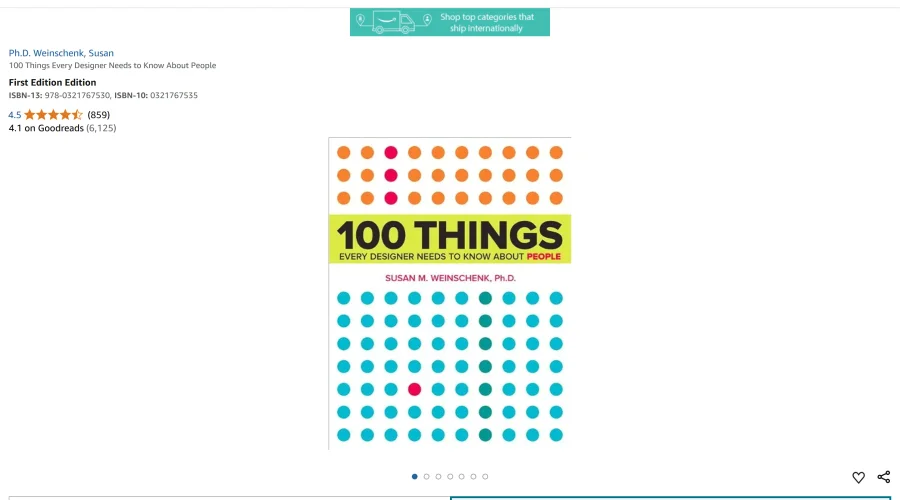
100 Things Every Designer Needs to Know About People
Susan Weinschenk
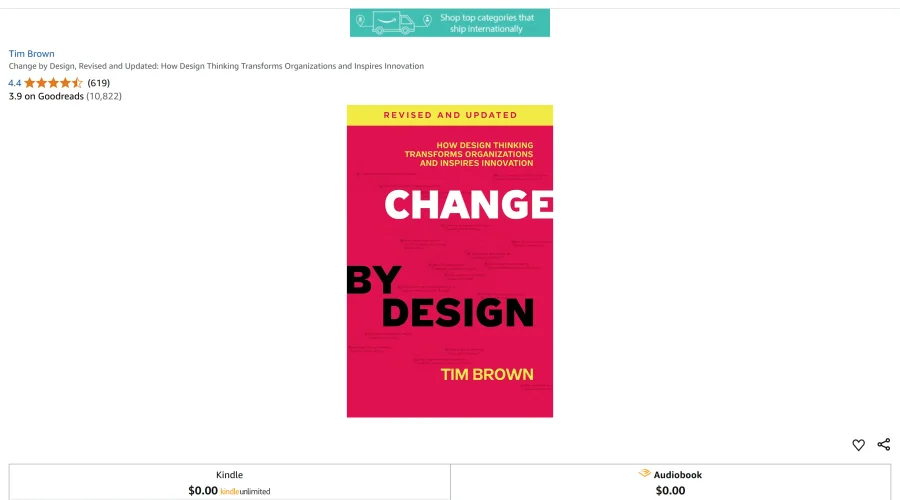
Change by Design
Tim Brown
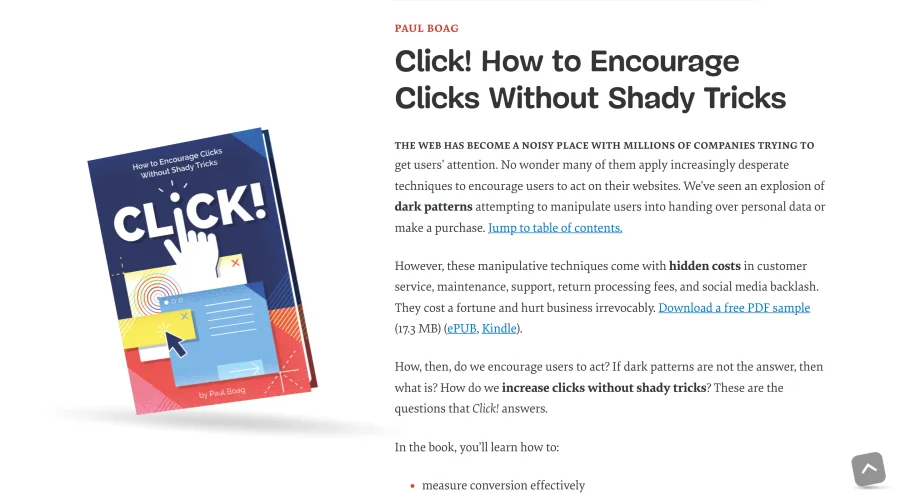
Click!
Strategies for ethical design that encourages user engagement.
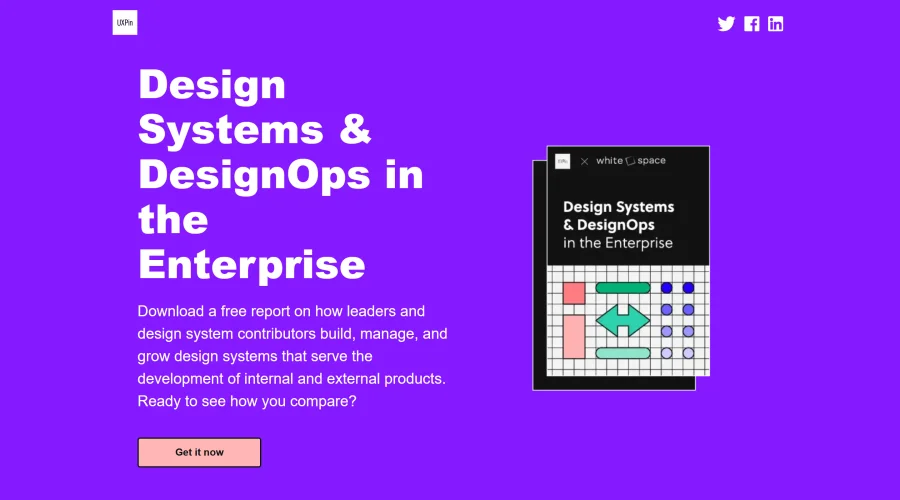

Design Systems & DesignOps in the Enterprise
UXPin, Whitespace
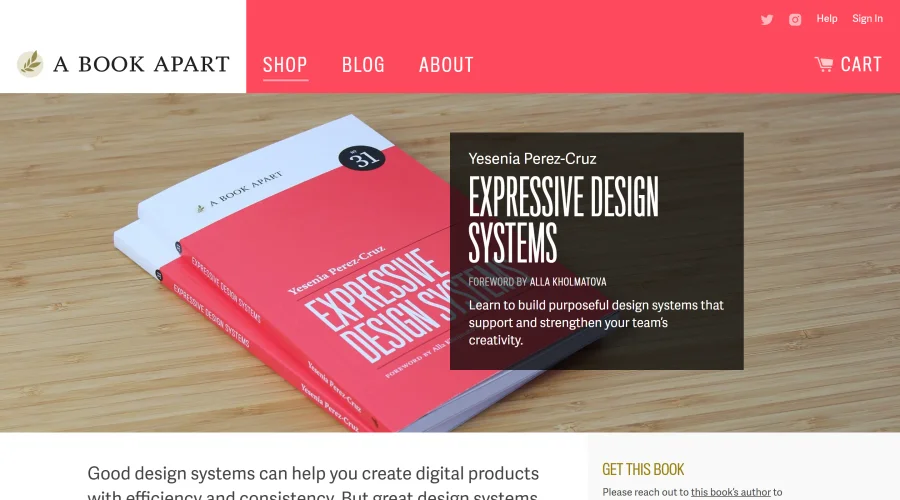
Expressive Design Systems
Yesenia Perez-Cruz
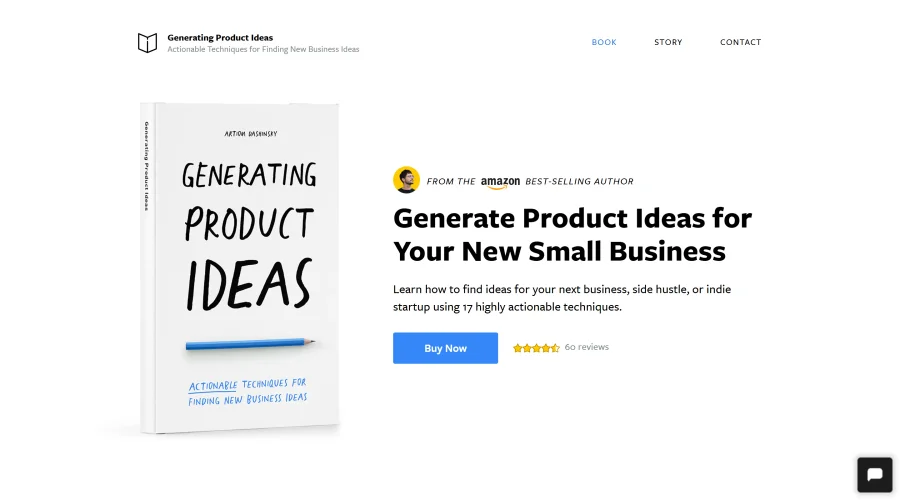
Generating Product Ideas: Actionable Techniques for Finding New Business Ideas
Artiom Dashinsky
Explore Other Categories
Discover more design resources
New to Design?
Explore our comprehensive design glossary to master essential terminology from A/B Testing to Wireframes.
Browse GlossaryLooking for something specific?
Search through our entire collection of design tools and resources