

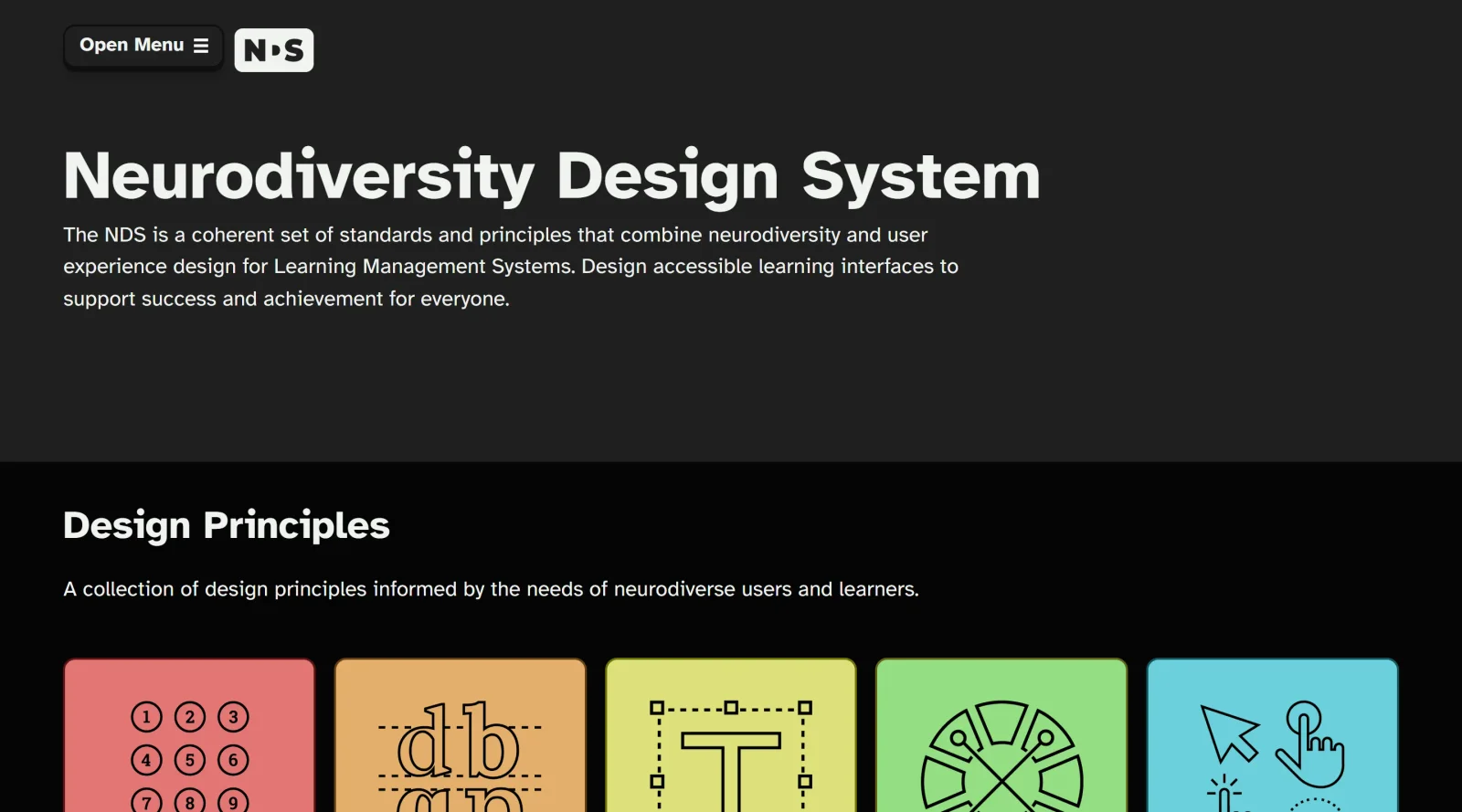
Principles merging neurodiversity with user experience.
What it costs
- Free tier
- Yes
Free design-principles and persona resource under CC BY 4.0; personas downloadable individually or as a pack at no cost.
Auto-checked on 8 August 2026Source
About Neurodiversity Design System
What Is Neurodiversity Design System?
The Neurodiversity Design System (NDS) is a set of standards and principles that merges neurodiversity with user experience design to create accessible learning interfaces. As an educational resource available for free, the Neurodiversity Design System fits into the design workflow during the planning and research phases, where designers establish guidelines for inclusive interfaces, particularly for Learning Management Systems (LMS) and similar platforms. It provides foundational rules to address the needs of neurodiverse users, ensuring interfaces support diverse cognitive processing styles without requiring additional tools or software.
What Neurodiversity Design System Does
- Defines principles for typography to improve font readability and legibility for users with varying cognitive needs.
- Offers guidelines on color palettes to create visually accommodating interfaces that reduce sensory overload.
- Provides standards for interactive elements like buttons, links, and inputs to make navigation intuitive and predictable.
- Establishes rules for data representation, particularly numbers, to ensure comprehensible visualization for all learners.
- Structures interface layouts with clear hierarchies and progressive disclosure to minimize cognitive load.
- Supports personas representing neurodiverse users to inform design decisions across projects.
How Neurodiversity Design System Can Be Used
- In designing LMS platforms, apply Neurodiversity Design System principles to adjust typography and colors, reducing overstimulation for users with autism or ADHD.
- During interface audits, use the system's guidelines for buttons and inputs to verify intuitive navigation in educational apps.
- For new projects, incorporate its data representation standards to make charts and numbers accessible in learning dashboards.
- In team workflows, reference Neurodiversity Design System personas during user research to include neurodiverse perspectives from the outset.
- To implement progressive disclosure, structure content in expandable sections following the system's hierarchy rules for e-learning modules.
Who Is Neurodiversity Design System For?
The Neurodiversity Design System serves UX designers, developers, and product teams working on educational platforms or any interfaces requiring cognitive accessibility. It suits roles involved in creating Learning Management Systems, where inclusive design addresses needs like sensory sensitivities, information processing differences, and navigation challenges faced by neurodivergent users such as those with autism, ADHD, or dyslexia. Experience levels range from junior designers learning accessibility basics to senior teams systematizing neuroinclusive components in design systems. Developers integrating these principles ensure compatibility with assistive technologies and adaptability for diverse learners. Visit Neurodiversity Design System
Featured Tools
Sponsored
Artlist
Royalty-free music, SFX, 8K footage, templates, LUTs and 100+ AI models on a single subscription for video creators.

Icons8
Large icon packs featuring over 10,000 icons for consistent design themes.

Vidu
AI video generator with text, image and reference-to-video modes, producing 3–16 second clips at up to 1080p with characters that stay consistent across shots.
Your tool here
The tools above are our own picks until the slots sell.

More Educational Tools

10x Designers
Broaden your design skills with this resource.

AJ Smart
Premier resource for UX/UI, design sprints, and design thinking.

Android Design Hub
Android UI design best practices for creating beautiful interfaces.
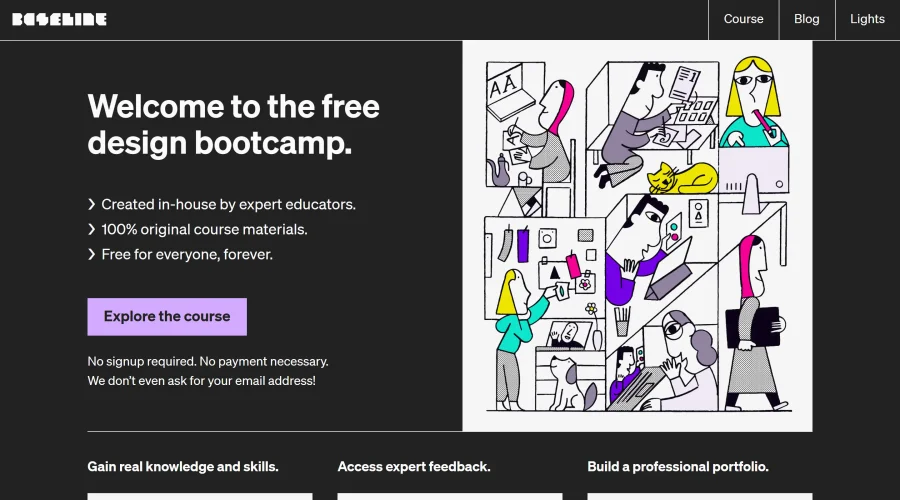

Baseline
Expertly crafted free design bootcamp for skill enhancement.
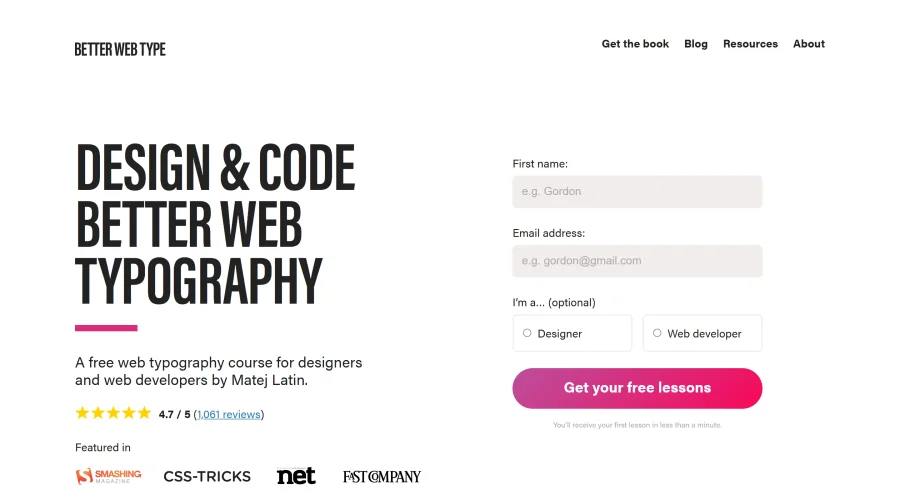

Better Web Type
Complimentary web typography course for designers and developers.
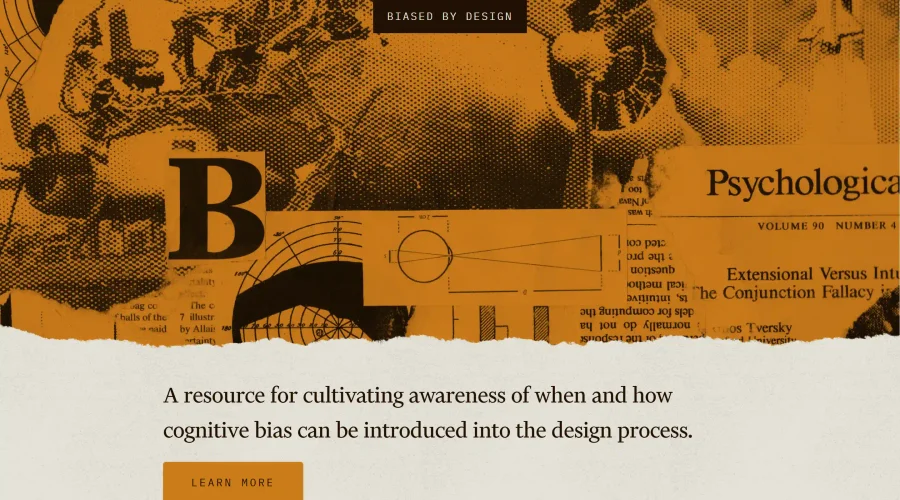

Biased by Design
Insights on recognizing and countering cognitive bias in design.
Explore Other Categories
Discover more design resources
New to Design?
Explore our comprehensive design glossary to master essential terminology from A/B Testing to Wireframes.
Browse GlossaryLooking for something specific?
Search through our entire collection of design tools and resources