

What it costs
- Free tier
- Yes
Free to sign up for the weekly psychology-of-design comics/principles; paid masterclasses are offered separately with no price shown.
Auto-checked on 8 August 2026Source
About Psychology of Design
What Is Psychology of Design?
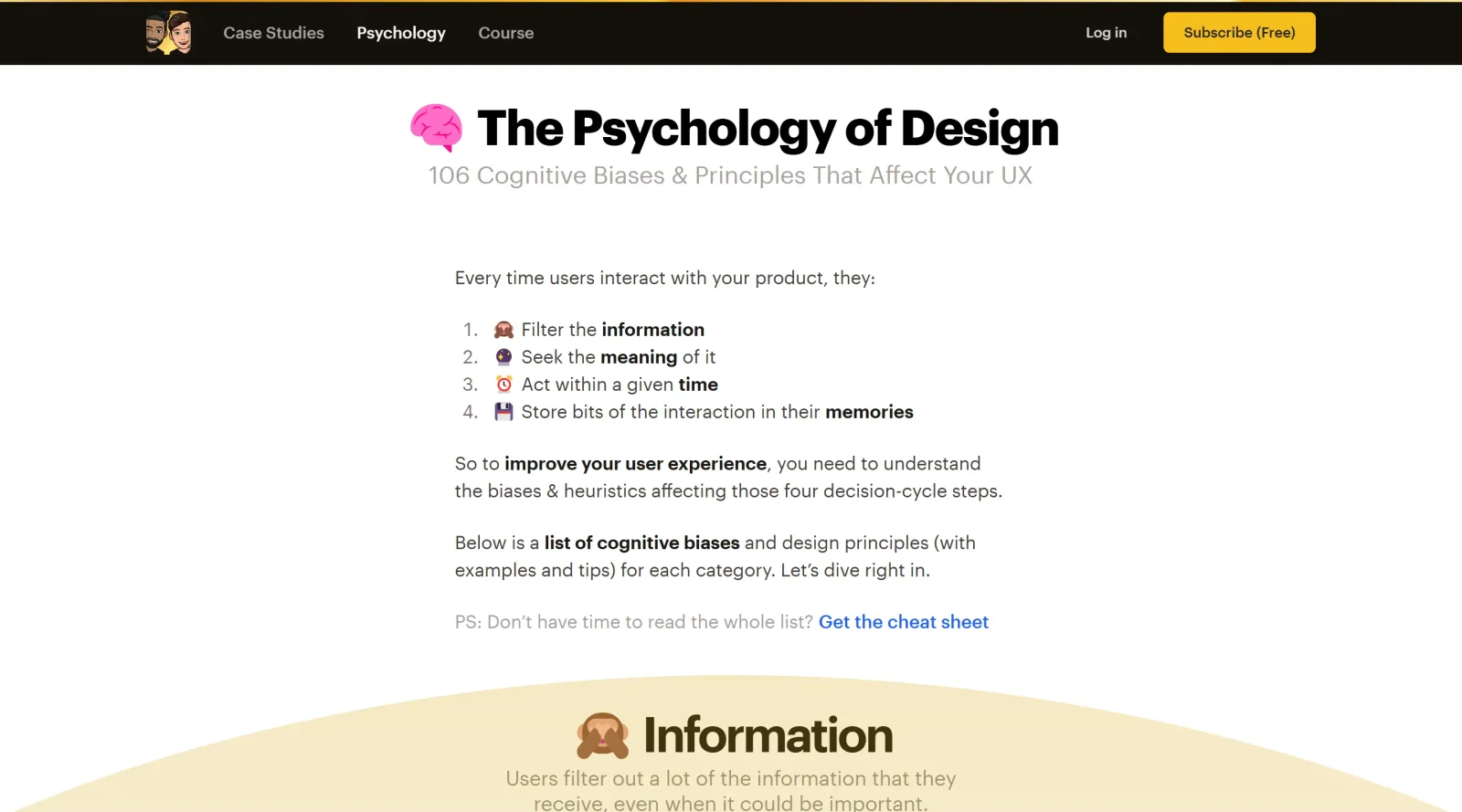
Psychology of Design is a free educational resource that provides a comprehensive guide to cognitive biases and psychological principles relevant to user experience design. Rather than a software tool, it functions as a reference guide and learning material for designers seeking to understand how cognitive psychology influences user behavior and design decisions. The resource covers over 100 cognitive biases and design principles, making it suitable for designers at any stage who want to deepen their knowledge of the psychological foundations underlying effective UX.
What Psychology of Design Does
- Catalogs and explains cognitive biases—systematic patterns in how people deviate from rational decision-making—with real-world design examples
- Illustrates how biases like anchoring, the decoy effect, and confirmation bias manifest in user interfaces and product interactions
- Documents design principles that account for how users perceive visual hierarchies, process information, and respond to prompts
- Provides practical examples showing how the same psychological principle can enhance user experience or create deceptive patterns depending on intent
- Connects cognitive load and mental effort to design choices that reduce friction in user workflows
How Psychology of Design Can Be Used
Psychology of Design serves as a reference when making deliberate design decisions grounded in human psychology. Designers can consult it while auditing existing interfaces to identify which biases are at play, when planning features that require user choice or action, or when building research frameworks to avoid personal bias. Teams can use it to establish shared language around psychological concepts during design critique, and researchers can leverage it to recognize how their own biases might skew user research findings. The resource is particularly valuable when designing pricing structures, decision flows, information architecture, or any interface where understanding user perception directly impacts usability and user satisfaction.
Who Is Psychology of Design For?
Psychology of Design is intended for UX and product designers, product managers, and researchers who want to move beyond surface-level design intuition and ground their decisions in psychological research. It is especially useful for teams building products where user choice, decision-making, and behavior change are critical—such as e-commerce platforms, financial applications, or subscription-based services. Both experienced designers seeking to expand their knowledge and newer practitioners building foundational understanding will find the resource applicable. Because it emphasizes ethical application of psychological principles, it is also relevant for designers concerned with creating inclusive, user-centered experiences rather than exploitative interfaces. Visit Psychology of Design
Featured Tools
Sponsored
Artlist
Royalty-free music, SFX, 8K footage, templates, LUTs and 100+ AI models on a single subscription for video creators.

Icons8
Large icon packs featuring over 10,000 icons for consistent design themes.

Vidu
AI video generator with text, image and reference-to-video modes, producing 3–16 second clips at up to 1080p with characters that stay consistent across shots.
Your tool here
The tools above are our own picks until the slots sell.

More Educational Tools
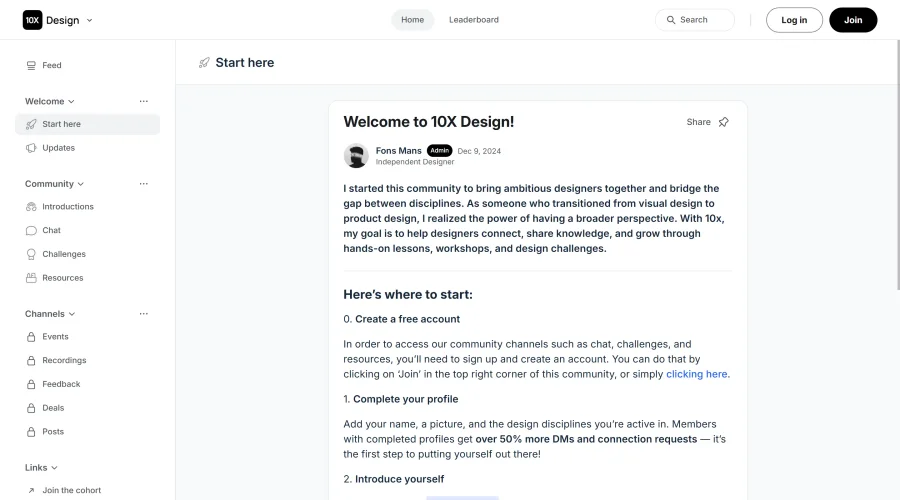

10x Designers
Broaden your design skills with this resource.


AJ Smart
Premier resource for UX/UI, design sprints, and design thinking.
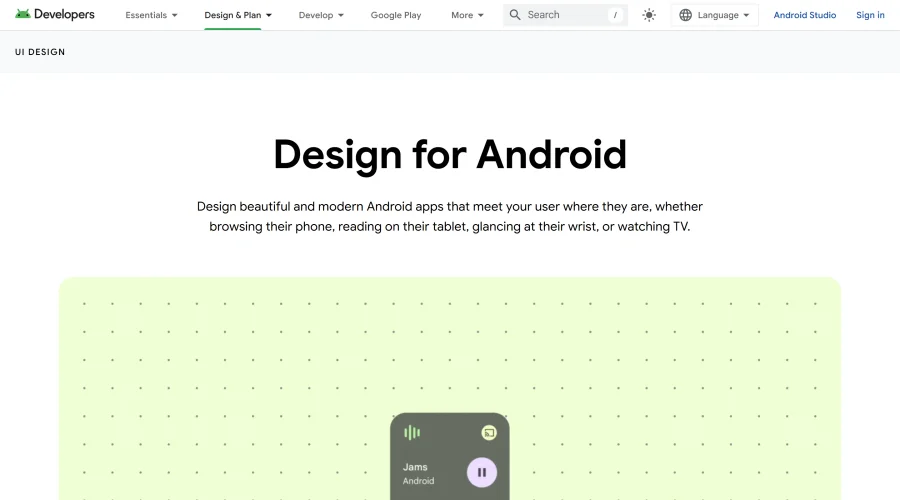

Android Design Hub
Android UI design best practices for creating beautiful interfaces.
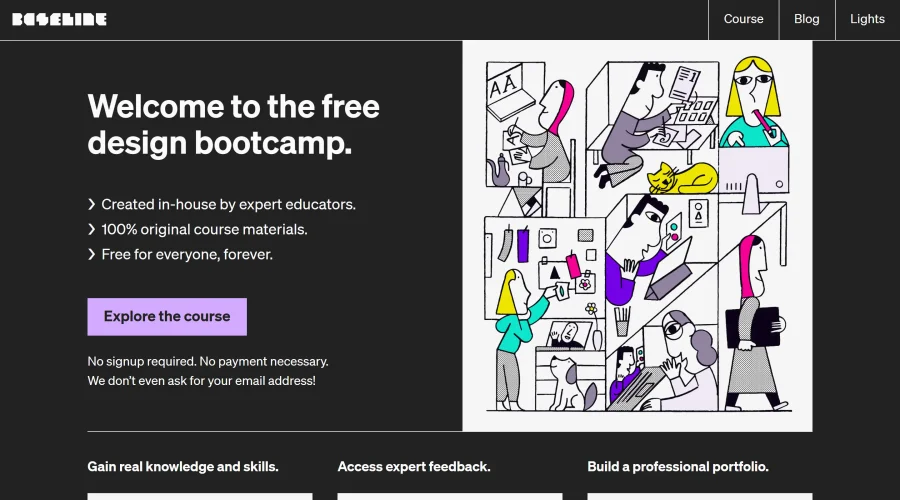

Baseline
Expertly crafted free design bootcamp for skill enhancement.
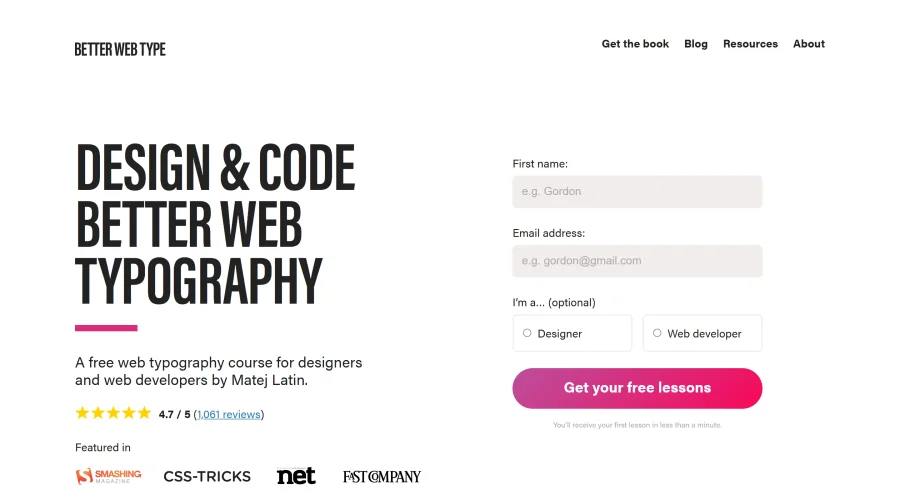

Better Web Type
Complimentary web typography course for designers and developers.
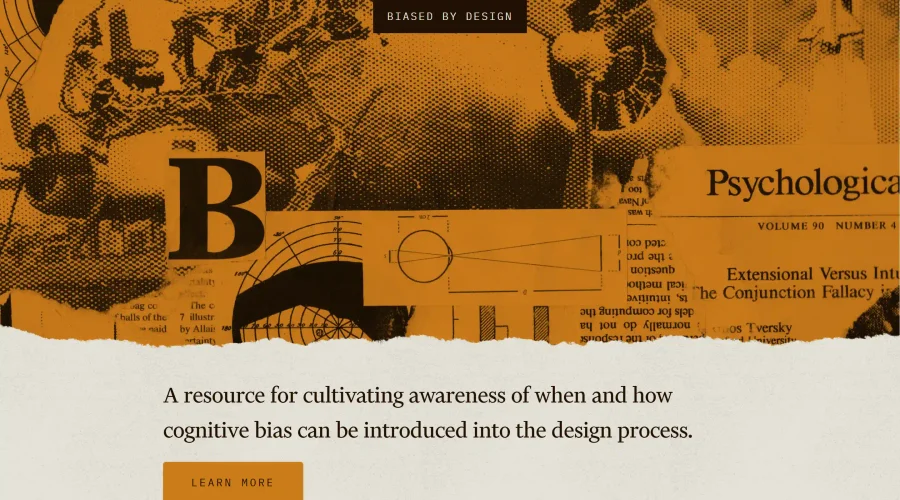

Biased by Design
Insights on recognizing and countering cognitive bias in design.
Explore Other Categories
Discover more design resources
New to Design?
Explore our comprehensive design glossary to master essential terminology from A/B Testing to Wireframes.
Browse GlossaryLooking for something specific?
Search through our entire collection of design tools and resources