

What it costs
- Free tier
- Yes
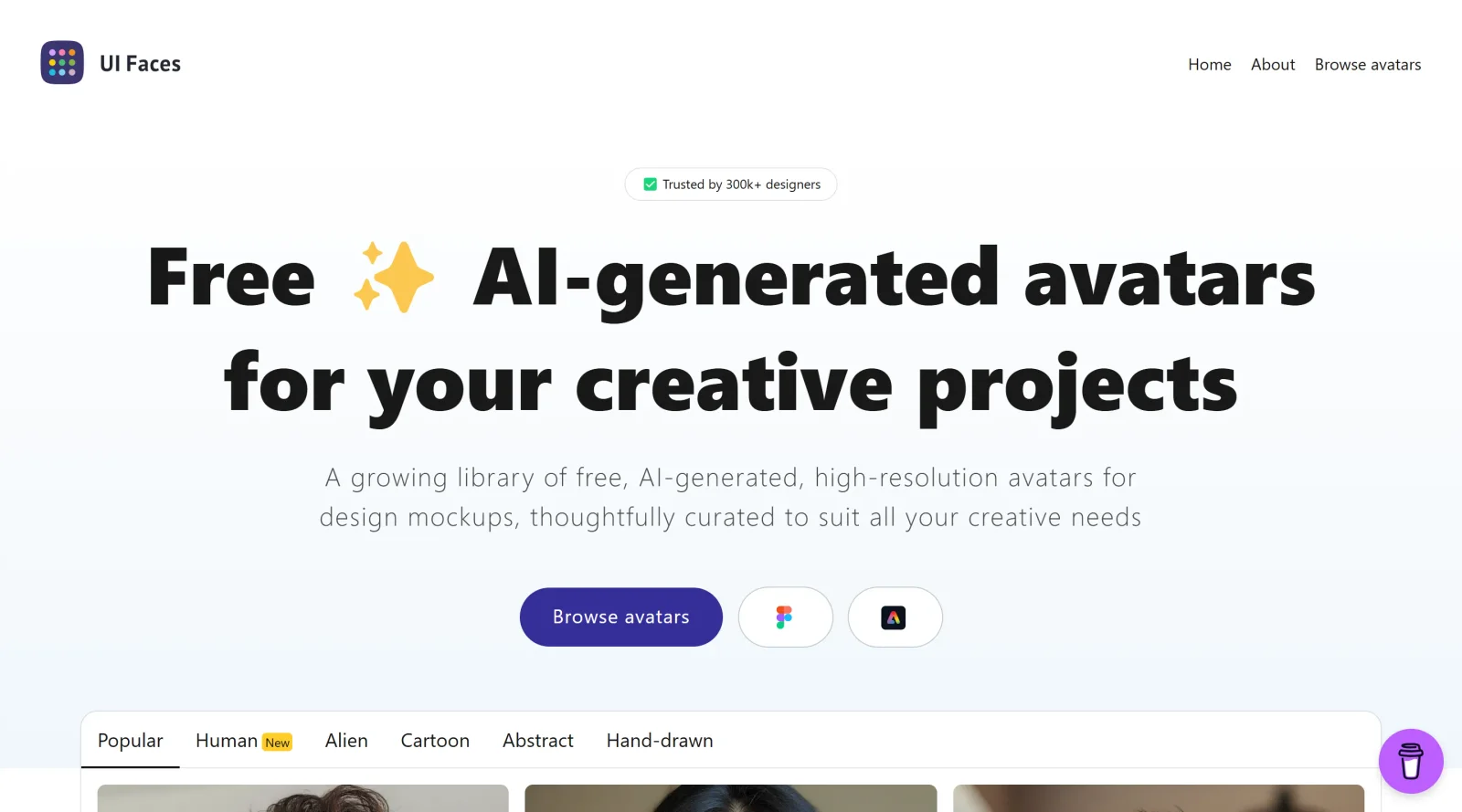
Fully free library of AI-generated avatars; every avatar is marked 'Download · Free'.
Auto-checked on 8 August 2026Source
About UI Faces
What Is UI Faces?
UI Faces is a free tool that provides AI-generated avatars for design mockups and creative projects. It serves as a library of high-quality, ready-to-use avatar images that designers and developers can integrate into their work without licensing restrictions. As a UX tool in the free tier, UI Faces eliminates the need to source or create placeholder avatars manually, streamlining the design workflow for anyone building interfaces, prototypes, or documentation that requires diverse user representations.
What UI Faces Does
- Generates and curates a growing library of free, AI-created avatar images at high resolution
- Offers avatars under CC0 licensing, permitting free commercial use without attribution requirements
- Provides multi-dimensional filtering to search and select avatars by attributes such as age, emotion, gender, and other characteristics
- Integrates directly into popular design tools via plugins for Figma, Sketch, and Adobe XD
- Allows avatar insertion into design mockups through copy-paste, API access, or plugin workflows
- Supplies user persona collections with demographic, psychographic, and professional background data for research purposes
How UI Faces Can Be Used
UI Faces fits naturally into design workflows where placeholder or representative imagery is needed. Designers use it to populate user interface mockups with diverse avatars during the prototyping phase, reducing time spent on asset sourcing. Developers building applications, dashboards, or community platforms can populate user profile sections with varied avatar options. UX researchers and product teams leverage UI Faces' persona collections to ground user research and design decisions in realistic demographic scenarios. The tool's plugin integration means avatars can be inserted directly within design files, keeping workflows uninterrupted.
Who Is UI Faces For?
UI Faces serves UX and UI designers, product designers, and developers who need quick access to diverse avatar imagery without legal or licensing complications. It is particularly useful for teams building design systems, creating mockups for presentations or client work, and designers who need culturally and demographically varied representations in their designs. The free, commercial-use licensing makes it suitable for both personal projects and professional agency work. Visit UI Faces
Featured Tools
Sponsored
Artlist
Royalty-free music, SFX, 8K footage, templates, LUTs and 100+ AI models on a single subscription for video creators.

Icons8
Large icon packs featuring over 10,000 icons for consistent design themes.

Vidu
AI video generator with text, image and reference-to-video modes, producing 3–16 second clips at up to 1080p with characters that stay consistent across shots.
Your tool here
The tools above are our own picks until the slots sell.

Tools we recommend
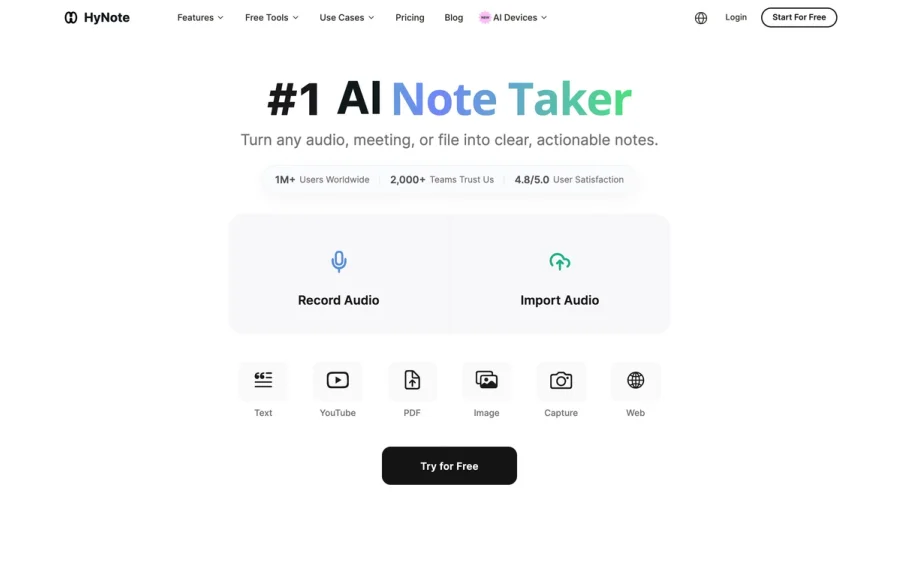

Editorially chosen. Some links above are affiliate links — if you sign up we may earn a commission, at no extra cost to you.
More UX Tools Tools

Slicer.dev
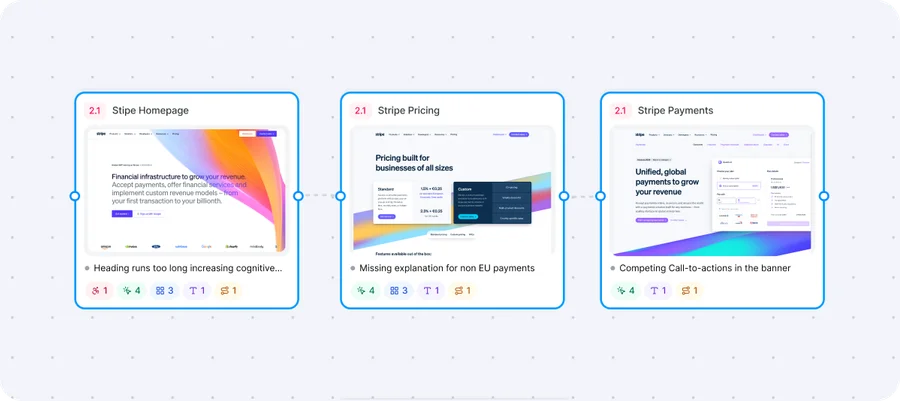
Slicer audits entire websites and user flows, giving teams a structured way to review UI/UX at scale — then extracts any component it finds into ready-to-use AI prompts or React code.

2020 Ipsum
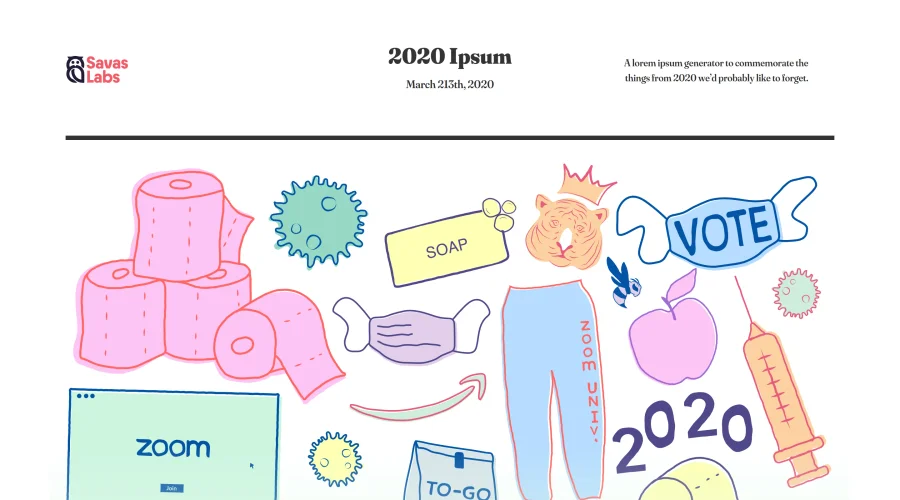
A Lorem Ipsum generator themed on unforgettable 2020 events.


Aaply
Wireframe mobile apps and create user-centered product experiences.


Avvvatars
Unique placeholder avatars tailored to your users.

Axure
Plan, wireframe, and prototype without any coding required.

Ballpark
Quick asynchronous product research for prototypes and designs.
Explore Other Categories
Discover more design resources
New to Design?
Explore our comprehensive design glossary to master essential terminology from A/B Testing to Wireframes.
Browse GlossaryLooking for something specific?
Search through our entire collection of design tools and resources