
Accessibility Tree
A structure that assistive tech (like screen readers) uses to interpret and convey interface elements to users.
What is an Accessibility Tree in UX?
The accessibility tree is a crucial structure that assistive technologies like screen readers use to interpret and convey interface elements to users. It is derived from the Document Object Model (DOM) but is simplified to exclude nodes without semantic content, ensuring that assistive technologies can effectively interact with web content. The accessibility tree provides essential semantic information about each element, including its name, description, role, and state, allowing users to understand and navigate digital interfaces effectively. This structure is vital for ensuring that websites are accessible and user-friendly for everyone, regardless of their abilities. By optimizing the accessibility tree, developers can enhance the user experience and ensure compliance with accessibility standards, which is increasingly important for search engine optimization (SEO) and user satisfaction.
Importance of Accessibility Tree in SEO and User Experience
- SEO Benefits: While the accessibility tree itself does not directly impact SEO rankings, creating accessible content can improve user engagement and reduce bounce rates, which are factors considered by search engines. Ensuring that all users can access and navigate a website effectively contributes to a positive user experience, which can indirectly influence search engine rankings.
- User Experience: The accessibility tree is essential for users with disabilities, providing them with the necessary information to interact with web pages. By including clear semantic information, developers can ensure that assistive technologies like screen readers can accurately convey the purpose and functionality of interface elements, enhancing usability and accessibility.
How Accessibility Trees Work
- Derivation from DOM: The accessibility tree is a derivative of the DOM tree, but it removes nodes that do not provide semantic information, such as purely stylistic elements. This simplification helps assistive technologies focus on actionable and meaningful content.
- Properties of Accessibility Nodes: Each node in the accessibility tree typically includes properties such as the name, description, role, and state of an element. For example, a checkbox would have a name (e.g., "Accept Terms"), a role (e.g., "checkbox"), and a state (e.g., "checked" or "unchecked").
- Interaction with Assistive Technologies: Assistive technologies query the accessibility tree to gather information about web page elements. This interaction allows users to navigate and interact with web pages using screen readers, eye-tracking systems, or speech input software.
Best Practices for Implementing Accessibility Trees
- Use of ARIA Attributes: Developers can shape the accessibility tree by using ARIA attributes in HTML. These attributes provide additional semantic information that can be used by assistive technologies to better understand the structure and functionality of web content.
- Testing with Assistive Technologies: It is crucial to test web applications with assistive technologies to ensure that the accessibility tree is correctly implemented and provides the necessary information for users with disabilities.
Tools for Inspecting Accessibility Trees
- Chrome DevTools: Chrome offers an accessibility pane in its DevTools, allowing developers to inspect the accessibility tree and verify how assistive technologies will interpret their web content. This tool helps in identifying and resolving accessibility issues early in the development process.
By focusing on the accessibility tree and ensuring that it provides accurate and comprehensive semantic information, developers can create more inclusive and accessible digital experiences, which is increasingly important for both SEO and user satisfaction.
Explore Other Terms
A/B Testing (Split Testing)
ResearchComparing two versions of a design or feature to see which performs better.
Adaptive Design
UICreating distinct layouts tailored for specific screen sizes rather than using one responsive layout.
Alignment
GraphicArranging elements so their edges or centers line up, promoting order and unity.
Aspect Ratio
UI / GraphicThe proportional relationship between width and height of an image or screen (e.g., 16:9).
Atomic Design
UIA methodology breaking UIs into basic building blocks (atoms, molecules, organisms) for consistency and scalability.
Balance
GraphicThe visual distribution of elements in a layout; can be symmetrical, asymmetrical, or radial.
Explore Design Tools
Discover tools that help you apply accessibility tree in your work.


Artlist
Royalty-free music, SFX, 8K footage, templates, LUTs and 100+ AI models on a single subscription for video creators.
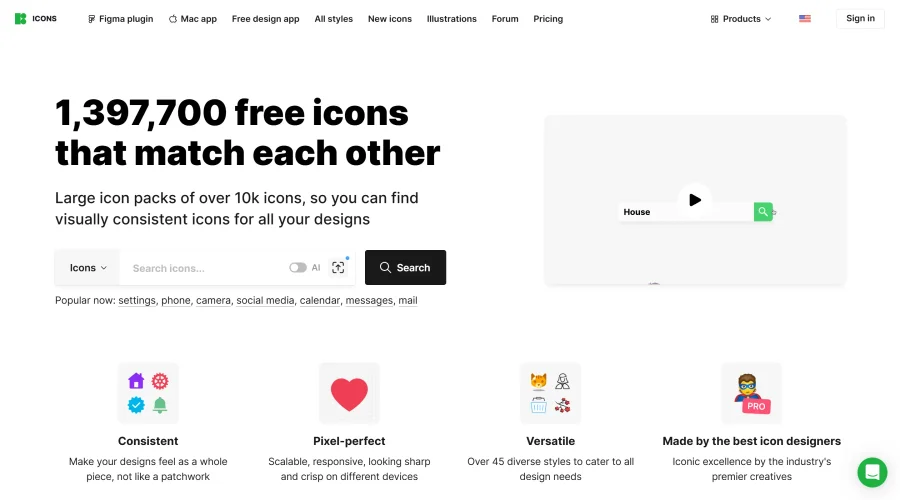

Icons8
Large icon packs featuring over 10,000 icons for consistent design themes.


Vidu
AI video generator with text, image and reference-to-video modes, producing 3–16 second clips at up to 1080p with characters that stay consistent across shots.
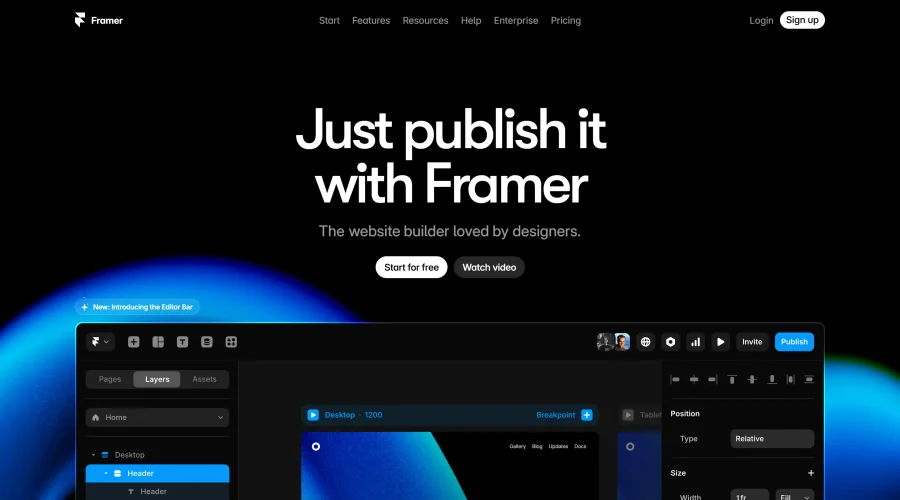

Framer
Design and launch your dream website with no coding required.
Continue Your Learning Journey
The design glossary is just the beginning. Explore more terms, discover tools, and level up your design skills.