
Adaptive Design
Creating distinct layouts tailored for specific screen sizes rather than using one responsive layout.
What Adaptive Design?
Adaptive design is a web design approach that involves creating multiple distinct layouts tailored for specific screen sizes. Unlike responsive design, which uses a single layout that adjusts to different screen sizes, adaptive design offers a more precise fit by selecting the most appropriate layout based on the device's screen size. This method ensures an optimized user experience across various devices, from smartphones to desktops.
Key Features of Adaptive Design
- Multiple Fixed Layouts: Adaptive design involves creating multiple fixed layouts designed for specific screen sizes. This allows for precise control over how the website appears on different devices.
- Device Detection: The system detects the device's screen size and selects the most suitable layout from the available options.
- Tailor-Made Solutions: Adaptive design provides a tailored solution for each screen size, ensuring that the user interface is optimized for the device being used.
Benefits of Adaptive Design
- Optimized User Experience: Adaptive design ensures that users receive the best possible experience on their device, whether it's a smartphone, tablet, or desktop.
- Control Over Design: Designers have more control over how the website looks on different devices, allowing for precise customization.
- Contextual Considerations: Adaptive design can take into account not just the device but also the user's context, such as touch-friendly interfaces for mobile devices.
Challenges and Considerations
- Cost and Complexity: Creating multiple layouts can be more expensive and complex compared to responsive design.
- Non-Standard Screens: Users with non-standard screen sizes might not have an optimized experience.
Comparison to Responsive Design
- Responsive vs. Adaptive: While responsive design uses a single layout that adapts to different screens, adaptive design offers multiple fixed layouts for better optimization.
- Flexibility and Consistency: Responsive design provides consistency across devices but less control over the layout, whereas adaptive design offers more control but requires more resources.
Best Practices for Adaptive Design
- User-Centered Approach: Understand the users' needs and contexts to create effective adaptive designs.
- Device-Specific Designs: Design for the most common screen sizes to ensure a wide reach.
- Hybrid Approach: Consider combining adaptive and responsive design techniques for a balanced approach.
Conclusion
Adaptive design is a powerful tool for enhancing user experience by providing tailored solutions for different devices. While it requires more effort and resources than responsive design, the benefits include a highly optimized and contextually relevant user interface. By understanding the strengths and limitations of adaptive design, designers can create more effective and user-friendly websites.
Explore Other Terms
A/B Testing (Split Testing)
ResearchComparing two versions of a design or feature to see which performs better.
Accessibility
UXDesigning products and interfaces usable by people with varying abilities (e.g., vision, motor, cognitive).
Accessibility Tree
UXA structure that assistive tech (like screen readers) uses to interpret and convey interface elements to users.
Alignment
GraphicArranging elements so their edges or centers line up, promoting order and unity.
Aspect Ratio
UI / GraphicThe proportional relationship between width and height of an image or screen (e.g., 16:9).
Balance
GraphicThe visual distribution of elements in a layout; can be symmetrical, asymmetrical, or radial.
Explore Design Tools
Discover tools that help you apply adaptive design in your work.
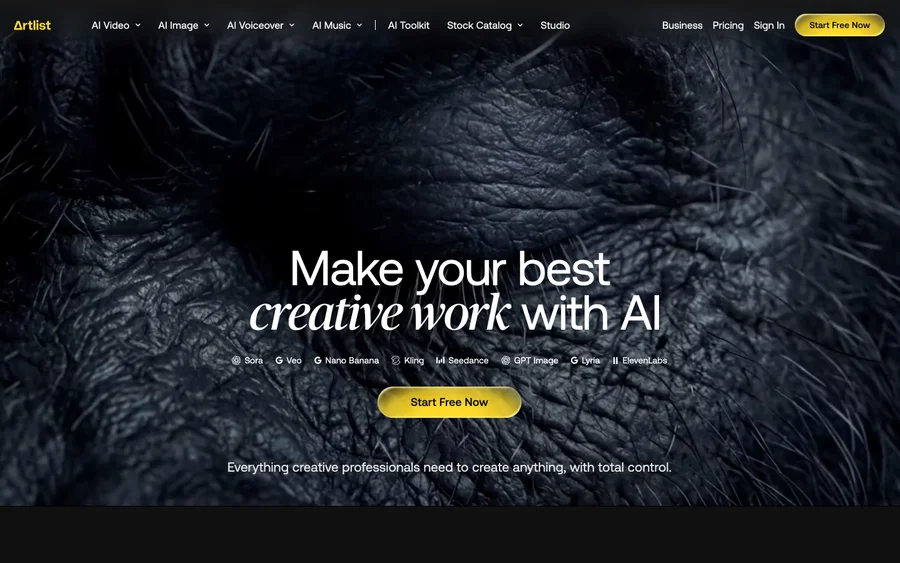

Artlist
Royalty-free music, SFX, 8K footage, templates, LUTs and 100+ AI models on a single subscription for video creators.
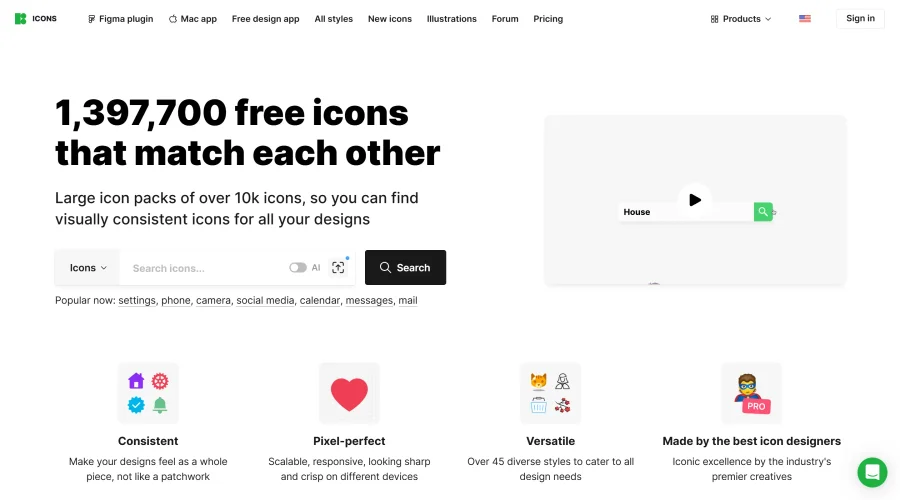

Icons8
Large icon packs featuring over 10,000 icons for consistent design themes.
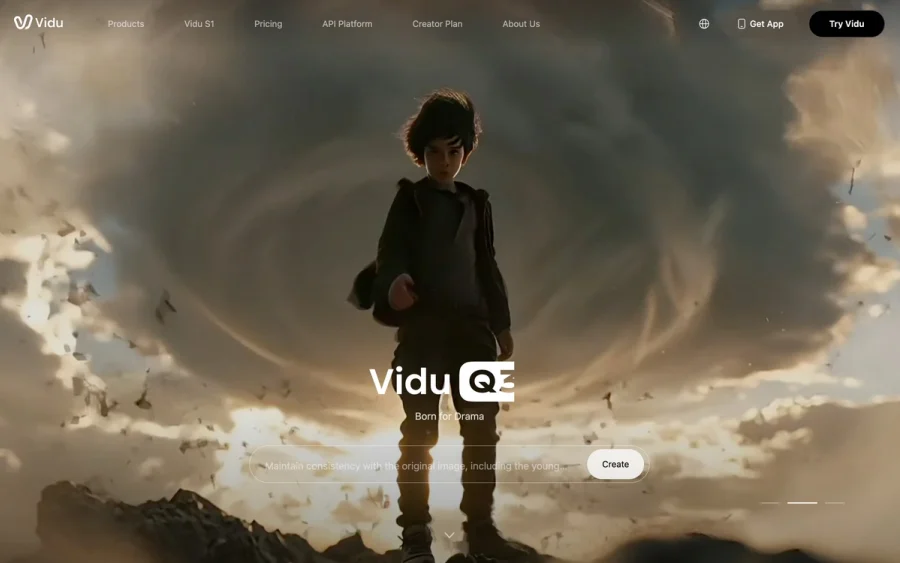

Vidu
AI video generator with text, image and reference-to-video modes, producing 3–16 second clips at up to 1080p with characters that stay consistent across shots.
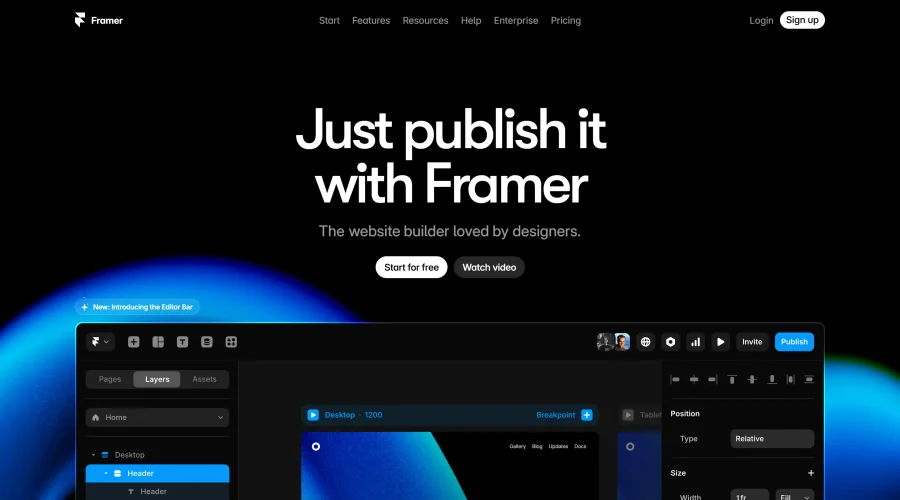

Framer
Design and launch your dream website with no coding required.
Continue Your Learning Journey
The design glossary is just the beginning. Explore more terms, discover tools, and level up your design skills.