

Manage projects and adapt to changing priorities in remote work settings.
What it costs
- Free tier
- Yes
- Paid plans from
- $10.99/user/mo
Personal plan is free forever for up to 2 users; the paid Starter plan is $10.99 per user/month billed annually (more if billed monthly), with Advanced and Enterprise tiers above it.
Auto-checked on 8 August 2026Source
About Asana
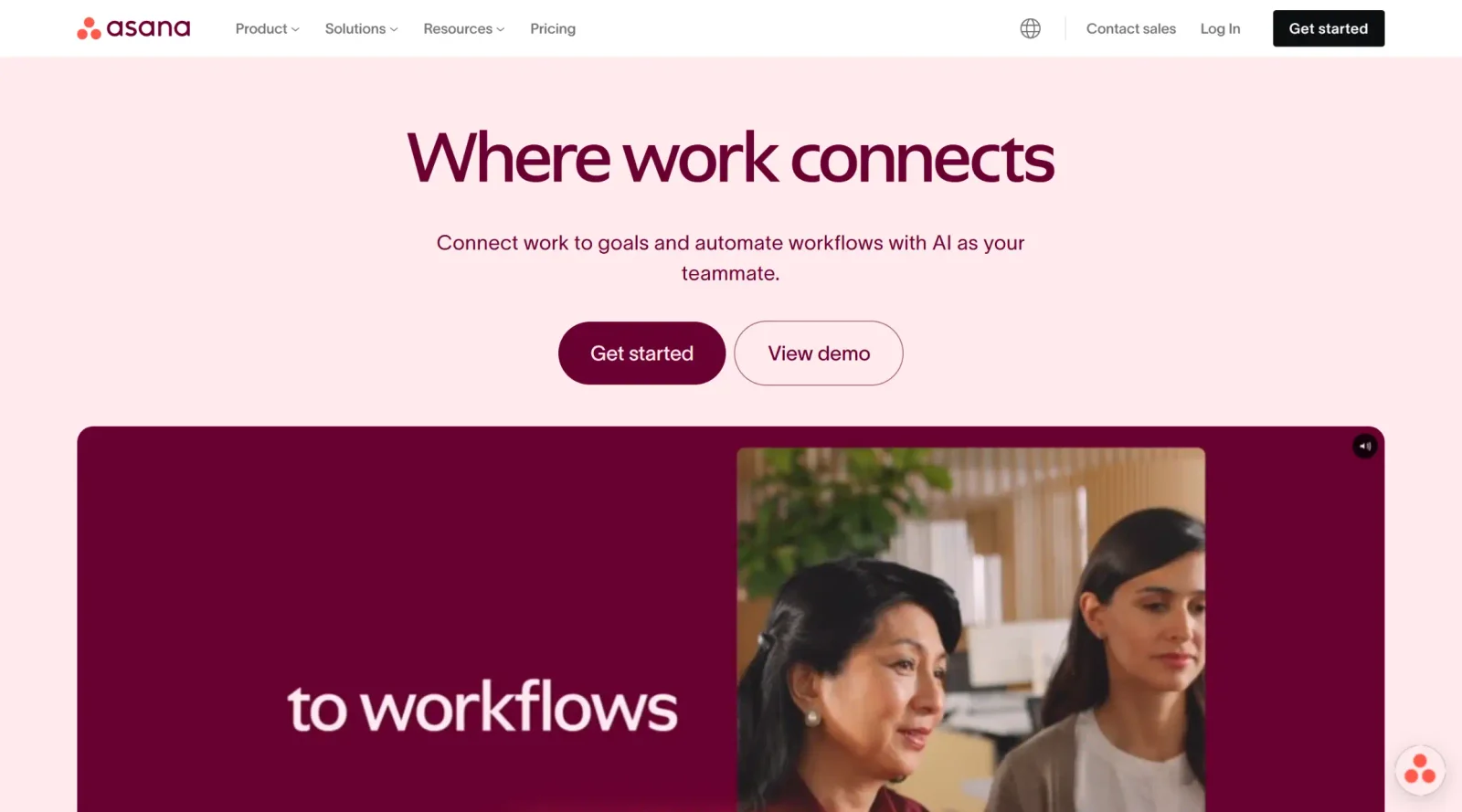
What Is Asana?
Asana is a work management platform that enables teams to organize, track, and manage projects and tasks. Its core purpose centers on providing visibility into workflows, assigning responsibilities, and monitoring progress from start to finish. In the **design** category, Asana fits into collaborative workflows where design teams coordinate tasks such as asset creation, reviews, and handoffs alongside other departments. Asana operates on a freemiumpricing model, offering free access to basic features with paid plans for advanced capabilities.
What Asana Does
- Asana allows users to organize work into projects using views such as lists, calendars, timelines, Gantt charts, or Kanban boards.
- Users can create tasks and subtasks, assign them to team members, set due dates, and add dependencies between items.
- Asana provides real-time reporting with charts, dashboards, and status updates to track project progress and goals.
- Integration with over 270 apps enables data syncing across tools used by teams.
- AI-powered features assist in workflow automation, task prioritization, and generating insights for decision-making.
- Team management tools support creating teams, controlling access, and managing workloads to balance resources.
How Asana Can Be Used
- Design teams use Asana to manage project briefs, assign UI/UX design tasks, set milestones for iterations, and track feedback loops with stakeholders.
- Cross-functional workflows involve linking design deliverables to development sprints via timelines and dependencies, ensuring handoffs stay on schedule.
- Portfolio overviews help monitor multiple design projects, visualizing workloads and adjusting resources in real time.
- Automated rules and templates standardize repetitive processes, such as asset approval cycles or client review stages.
- Communication occurs through task comments, status updates, and shared files, keeping all contributors aligned without email overload.
Who Is Asana For?
Asana serves project managers, design leads, and cross-functional teams handling collaborative work such as campaigns, product launches, or UI/UX development cycles. It accommodates beginners setting up simple task lists as well as experienced users managing complex portfolios with dependencies and reporting. Teams in agencies, in-house design groups, or remote setups benefit from its structure for maintaining accountability across roles.Visit Asana
Featured Tools
Sponsored
Artlist
Royalty-free music, SFX, 8K footage, templates, LUTs and 100+ AI models on a single subscription for video creators.

Icons8
Large icon packs featuring over 10,000 icons for consistent design themes.

Vidu
AI video generator with text, image and reference-to-video modes, producing 3–16 second clips at up to 1080p with characters that stay consistent across shots.
Your tool here
The tools above are our own picks until the slots sell.
Spotlight
SponsoredRotates daily
HyNote
Records and transcribes interviews and meetings, then turns them into summaries and action items.
More Project Management Tools
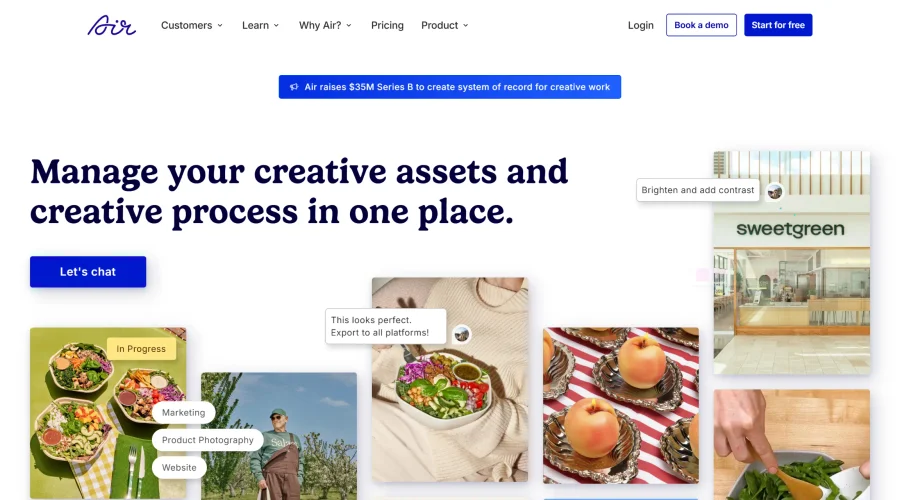

Air
Experience visual browsing with powerful search, secure sharing, and smooth collaboration.
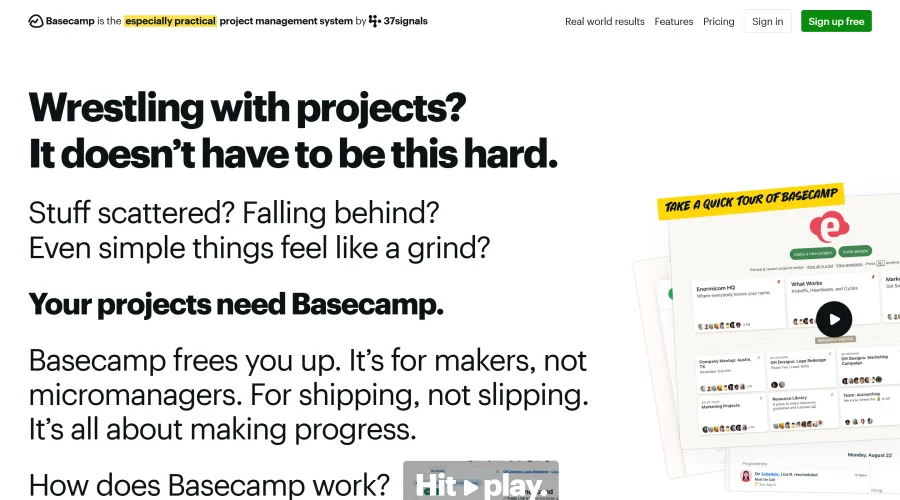

Basecamp
Comprehensive toolkit for effective remote working.
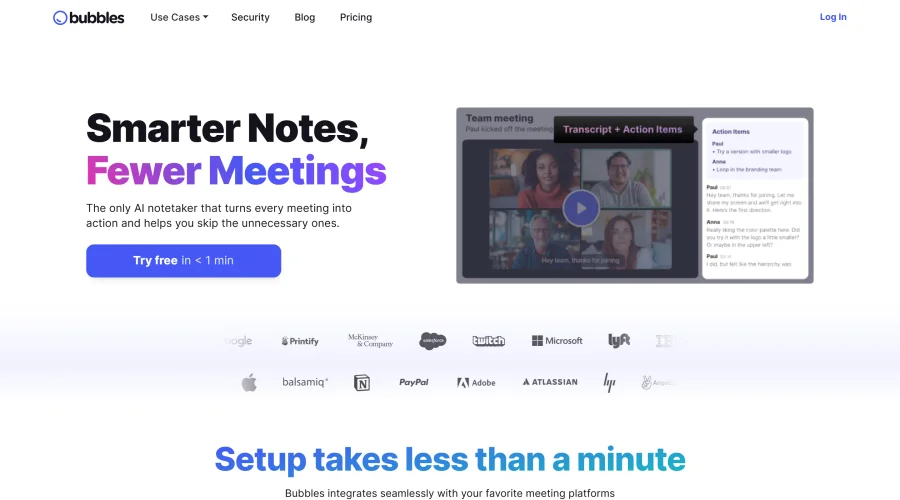

Bubbles
Initiate discussions by commenting on any on-screen content.
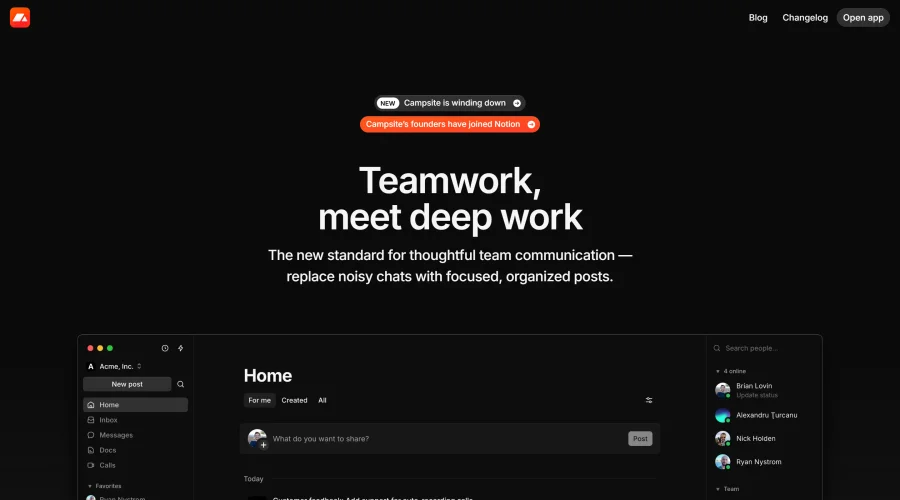

Campsite
A dedicated space for design teams to manage work-in-progress.
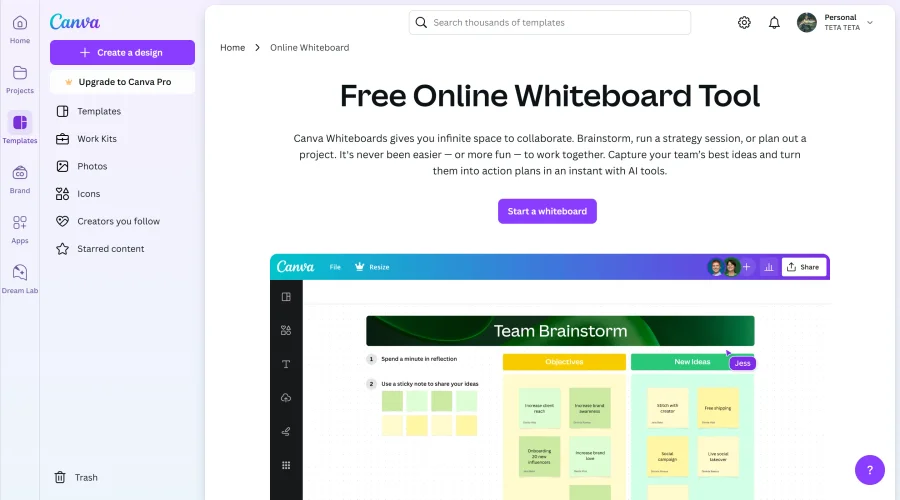

Canva Whiteboards
Canva Whiteboards for creative brainstorming and teamwork.
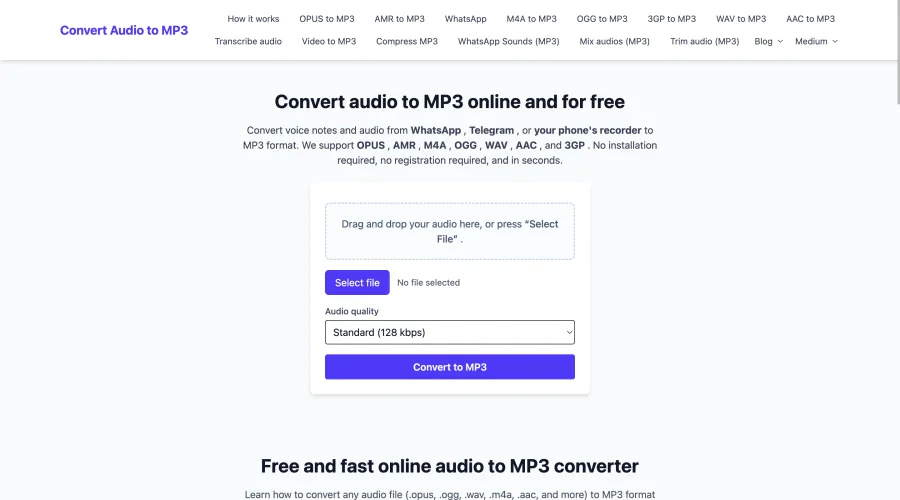
Convert Audio to MP3
Convert voice notes and audio from WhatsApp , Telegram , or your phone's recorder to MP3 format.
Explore Other Categories
Discover more design resources
New to Design?
Explore our comprehensive design glossary to master essential terminology from A/B Testing to Wireframes.
Browse GlossaryLooking for something specific?
Search through our entire collection of design tools and resources