
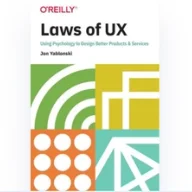
Applying psychology in design for better products and services.
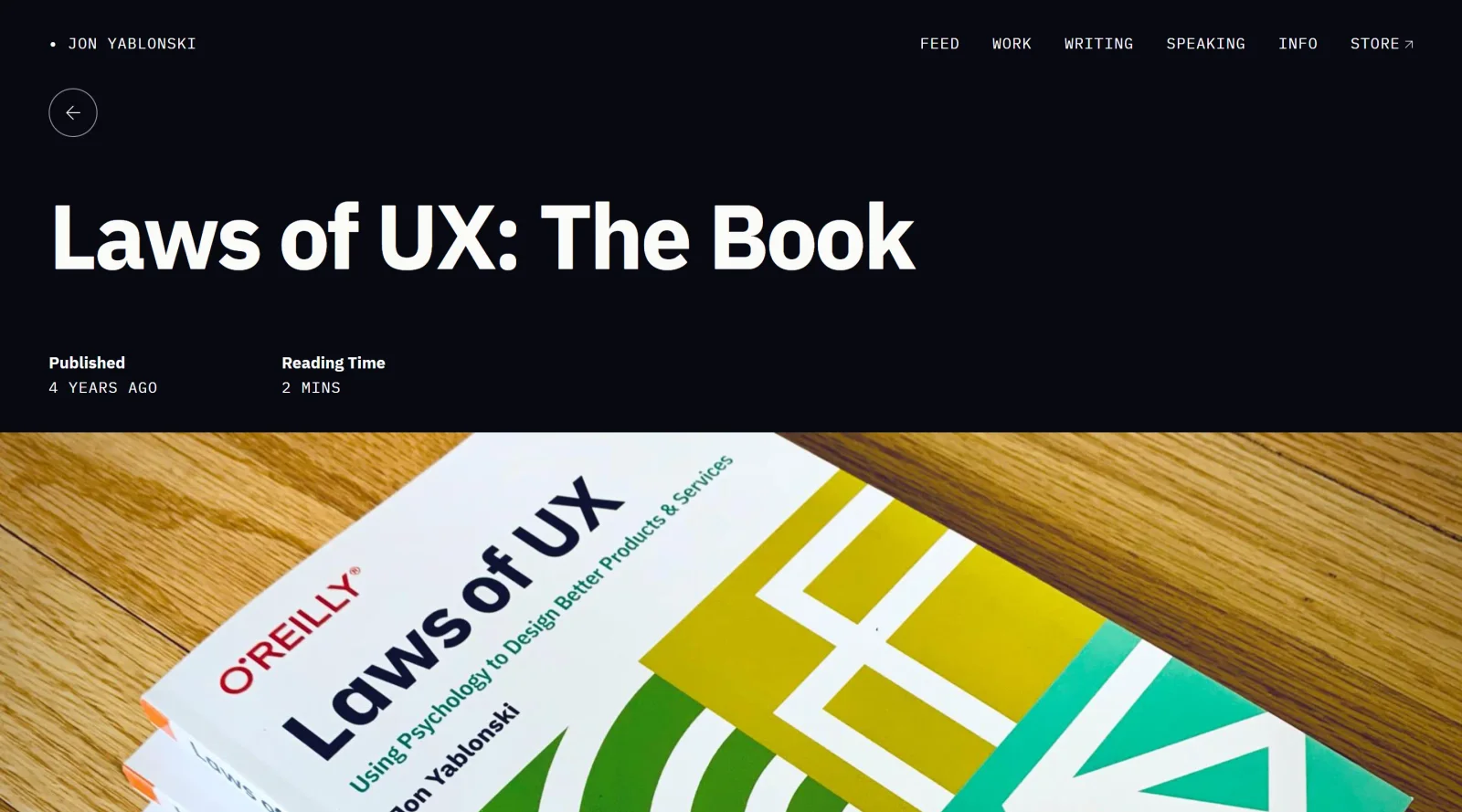
What it costs
- Free tier
- No
Scrape resolved to Jon Yablonski's portfolio homepage, not the book's sales page, so no price was shown.
Auto-checked on 8 August 2026Source
About Laws of UX: The Book
What Is Laws of UX: The Book?
Laws of UX: The Book applies principles from psychology to user experience design, guiding the creation of intuitive products and services. Authored by Jon Yablonski, a designer recognized for his interactive resource on psychological heuristics in UX, the book expands on these concepts into a structured format. It draws from cognitive science and human behavior studies to inform visual design principles and interface decisions, positioning it within the intersection of UX research and practical design thinking. Yablonski's work builds on his popular online project, which collects heuristics relevant to how users perceive and interact with digital environments.
What Laws of UX: The Book Covers
- Jakob's Law, which addresses user expectations shaped by familiar conventions across websites and applications to minimize cognitive load.
- Fitts's Law, detailing how the size and distance of interactive elements affect the time required for user actions.
- Hick's Law, explaining the relationship between the number of choices and decision-making time in user interfaces.
- Miller's Law, exploring working memory limits, typically 7 plus or minus 2 items, and strategies for information organization.
- Postel's Law, advocating for robust design that accommodates varied user inputs and behaviors across devices.
- Aesthetic-Usability Effect and Von Restorff Effect, examining how visual appeal and distinctiveness influence perceptions of usability and retention.
Key Takeaways from Laws of UX: The Book
Laws of UX: The Book presents psychological principles as frameworks for aligning digital products with human cognition, including laws on perception, memory, and decision-making. Readers gain insights into reducing mental effort through familiar patterns, optimizing element accessibility, and simplifying choices to enhance efficiency. The content covers adaptability for diverse interactions like touch and voice, alongside emotional impacts from peak moments in experiences. Jon Yablonski illustrates each law with origins, examples, and applications, emphasizing ethical considerations in UX design to create interfaces that respect user behaviors without oversimplification. Distinct elements such as the peak-end rule highlight how experiences are recalled based on highs and conclusions rather than averages.
Who Is Laws of UX: The Book For?
Laws of UX: The Book suits UX designers, product developers, and interface specialists seeking psychology-based guidance for intuitive designs. It addresses those involved in UX research, visual design, and user-centered processes, from practitioners refining decision-making tools to teams aligning on cognitive principles. Professionals exploring design thinking and heuristics for better products and services find relevant coverage here. Learn more about Laws of UX: The Book
Featured Tools
Sponsored
Artlist
Royalty-free music, SFX, 8K footage, templates, LUTs and 100+ AI models on a single subscription for video creators.

Icons8
Large icon packs featuring over 10,000 icons for consistent design themes.

Vidu
AI video generator with text, image and reference-to-video modes, producing 3–16 second clips at up to 1080p with characters that stay consistent across shots.
Your tool here
The tools above are our own picks until the slots sell.
Spotlight
SponsoredRotates daily
Hailuo AI
AI video generator from MiniMax with cinematic, language-driven camera control.
More Books Tools
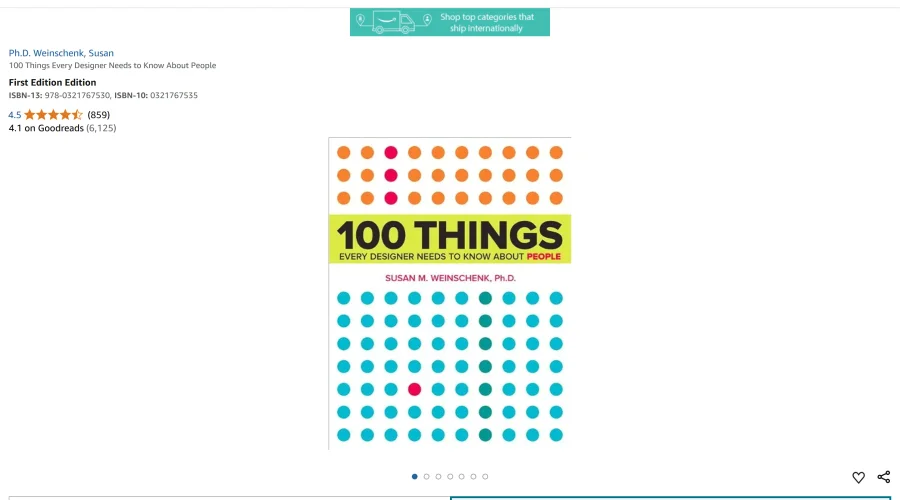
100 Things Every Designer Needs to Know About People
Susan Weinschenk
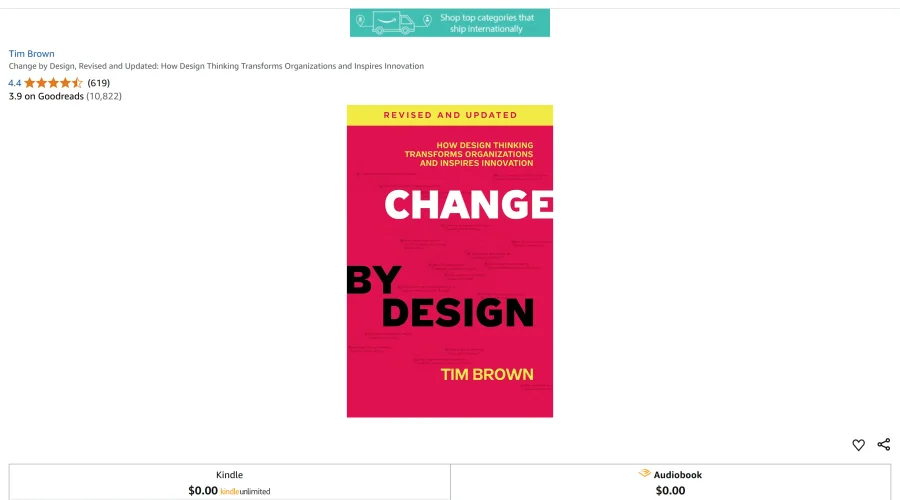
Change by Design
Tim Brown
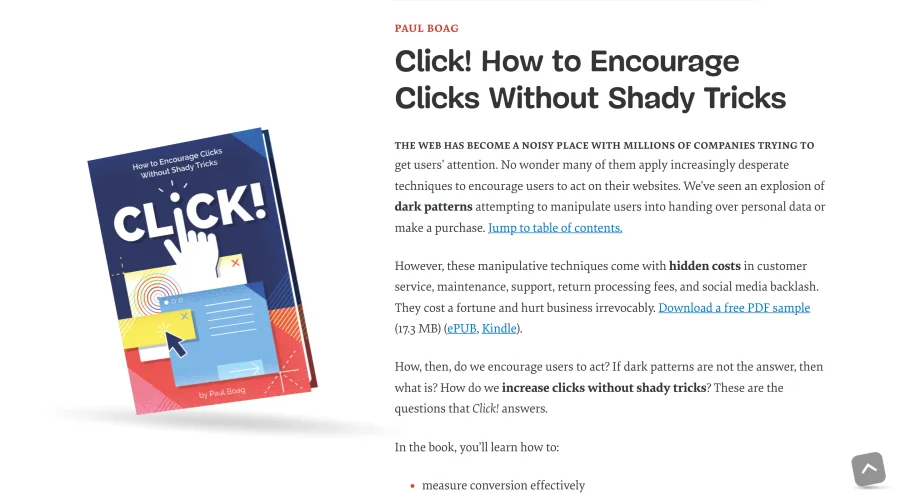
Click!
Strategies for ethical design that encourages user engagement.


Design Systems & DesignOps in the Enterprise
UXPin, Whitespace
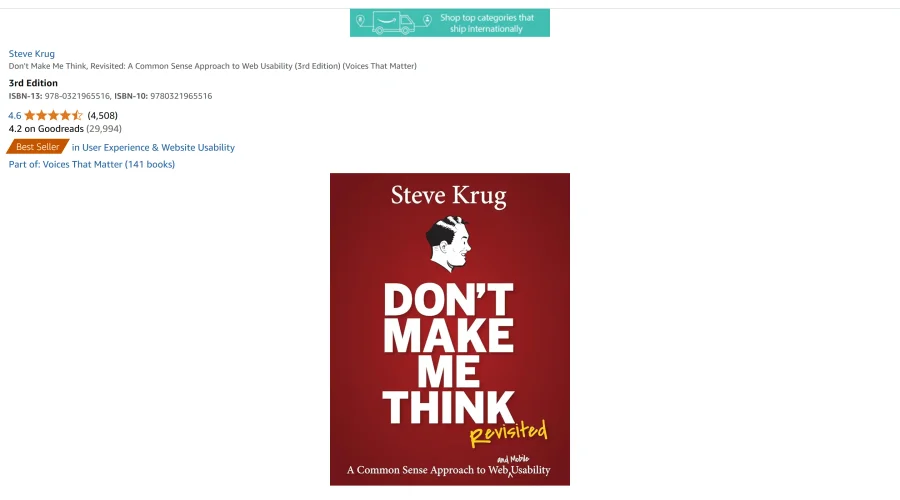
Don't Make Me Think: A Common Sense Approach to Web Usability
Steve Krug

Expressive Design Systems
Yesenia Perez-Cruz
Explore Other Categories
Discover more design resources
New to Design?
Explore our comprehensive design glossary to master essential terminology from A/B Testing to Wireframes.
Browse GlossaryLooking for something specific?
Search through our entire collection of design tools and resources