

What it costs
- Free tier
- Yes
Scrape resolved to the Basecamp product homepage (paid PM tool with one free plan), not the free-to-read Shape Up book; no prices shown.
Auto-checked on 8 August 2026Source
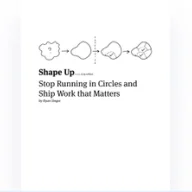
About Shape Up - Stop Running in Circles and Ship Work that Matters
What Is Shape Up - Stop Running in Circles and Ship Work that Matters?
Shape Up - Stop Running in Circles and Ship Work that Matters is a guide to product development practices used at Basecamp, detailing methods for defining, prioritizing, and delivering software projects. Written by Ryan Singer, a product leader at Basecamp, the book outlines an alternative to traditional agile processes, emphasizing fixed time cycles and upfront problem definition over endless backlogs. It positions itself within product design and development methodologies, focusing on techniques that integrate design thinking with engineering to produce complete features.
What Shape Up - Stop Running in Circles and Ship Work that Matters Covers
- Shaping raw ideas by setting boundaries through appetite definition and problem framing to guide solution exploration.
- Rough sketching solutions at a high level of abstraction using tools like fat marker sketches and breadboards to identify core elements.
- Addressing risks and rabbit holes during shaping to refine pitches that outline problems, solutions, constraints, and limitations.
- Betting on projects via a betting table process that selects initiatives based on potential impact with capped time commitments.
- Building in six-week cycles with small autonomous teams, including handoffs, scope mapping, and progress tracking via hill charts.
- Post-cycle cool-down periods for reflection and preparation of future work without scheduled deliverables.
Key Takeaways from Shape Up - Stop Running in Circles and Ship Work that Matters
Shape Up - Stop Running in Circles and Ship Work that Matters presents a structured approach divided into shaping, betting, and building phases, where work is pre-defined with fixed time appetites rather than variable estimates. Ryan Singer describes the hill chart as a visualization distinguishing uphill uncertainty from downhill execution, enabling teams to track progress through confidence levels rather than task completion. The method advocates assigning whole projects to teams instead of tasks, promoting vertical integration of demoable slices early, and using six-week cycles followed by two-week cool-downs to maintain sustainable pace. Distinct elements include pitches that summarize solutions without fine details, bets as commitments with downside limits, and decomposition techniques for scopes that prioritize must-haves over nice-to-haves.
Who Is Shape Up - Stop Running in Circles and Ship Work that Matters For?
Shape Up - Stop Running in Circles and Ship Work that Matters addresses product managers, designers, and engineering leads involved in software development who seek structured alternatives to backlog-driven workflows. It suits teams at companies adopting or refining product development cycles, particularly those handling feature delivery in tech environments with cross-functional collaboration. Ryan Singer's insights apply to mid-sized organizations aiming to align design thinking, prioritization, and execution without rigid sprints. Learn more about Shape Up - Stop Running in Circles and Ship Work that Matters
Featured Tools
Sponsored
Artlist
Royalty-free music, SFX, 8K footage, templates, LUTs and 100+ AI models on a single subscription for video creators.

Icons8
Large icon packs featuring over 10,000 icons for consistent design themes.

Vidu
AI video generator with text, image and reference-to-video modes, producing 3–16 second clips at up to 1080p with characters that stay consistent across shots.
Your tool here
The tools above are our own picks until the slots sell.
Spotlight
SponsoredRotates daily
HyNote
Records and transcribes interviews and meetings, then turns them into summaries and action items.
More Books Tools
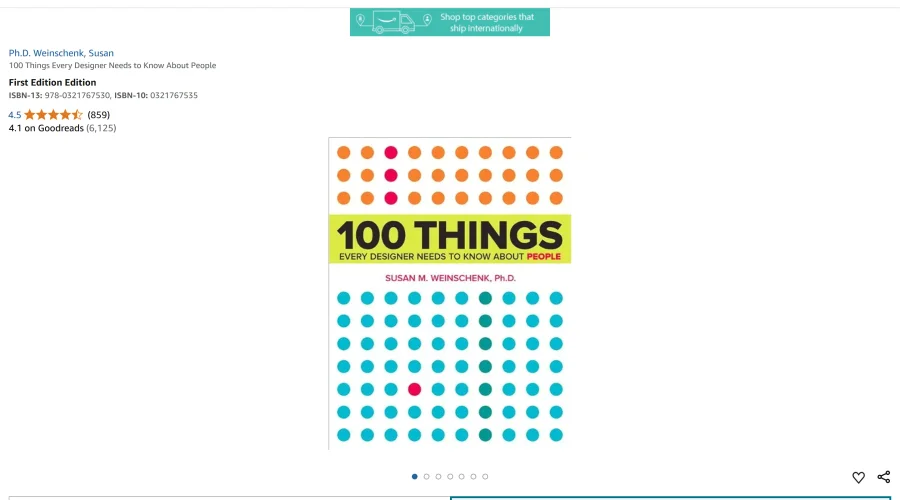
100 Things Every Designer Needs to Know About People
Susan Weinschenk
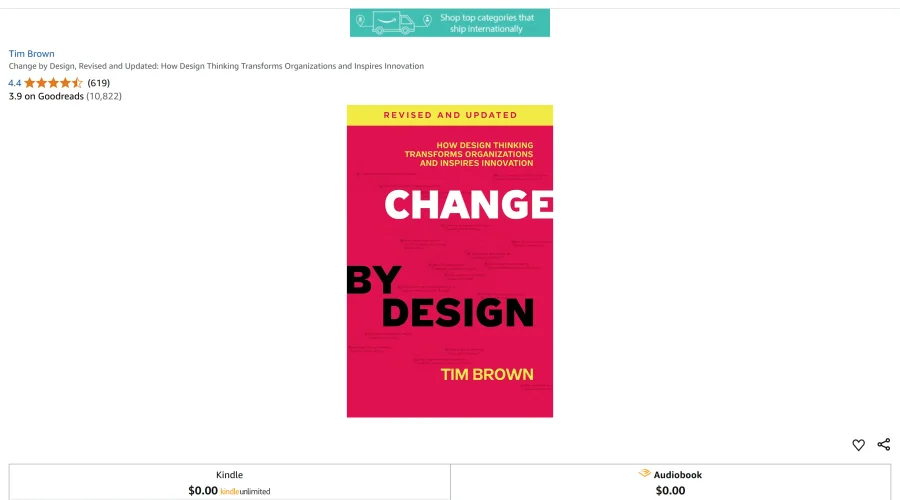
Change by Design
Tim Brown
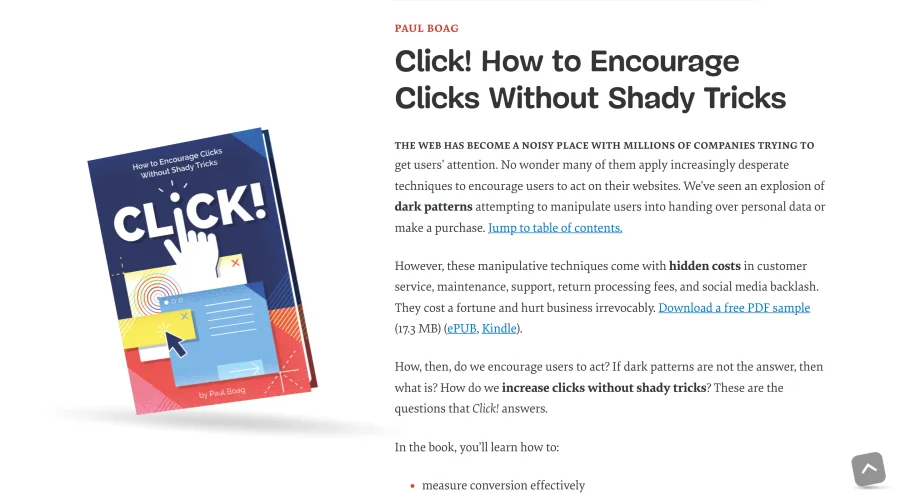

Click!
Strategies for ethical design that encourages user engagement.
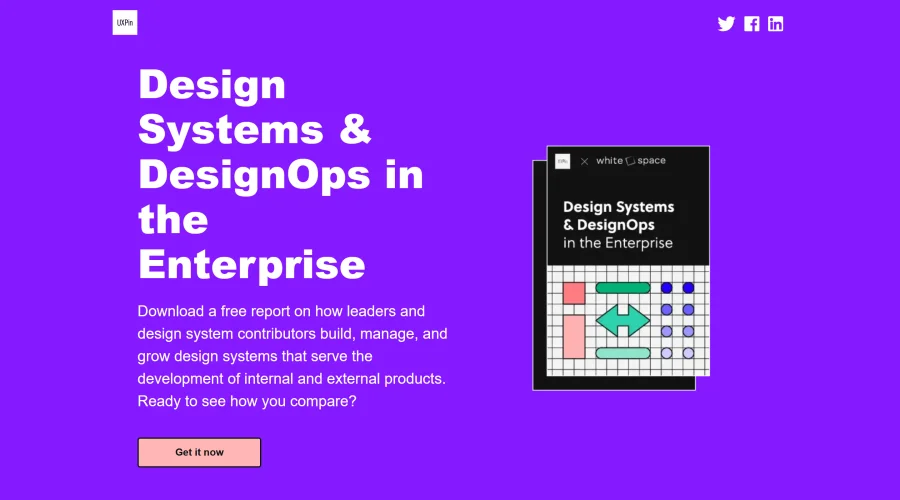
Design Systems & DesignOps in the Enterprise
UXPin, Whitespace
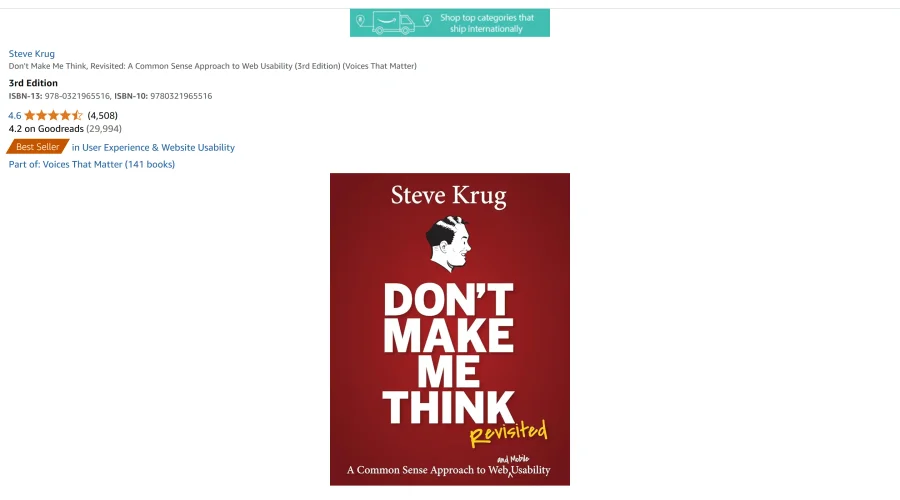
Don't Make Me Think: A Common Sense Approach to Web Usability
Steve Krug
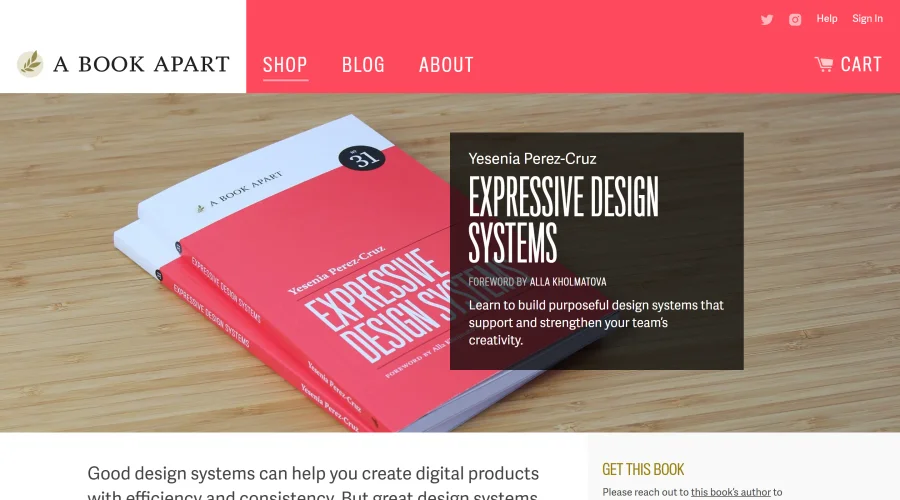
Expressive Design Systems
Yesenia Perez-Cruz
Explore Other Categories
Discover more design resources
New to Design?
Explore our comprehensive design glossary to master essential terminology from A/B Testing to Wireframes.
Browse GlossaryLooking for something specific?
Search through our entire collection of design tools and resources