
What it costs
- Free tier
- No
Paid product-design interview books (only a free weekly newsletter); individual prices sit on separate product pages.
Auto-checked on 8 August 2026Source
About Solving Product Design Exercises: Questions & Answers
What Is Solving Product Design Exercises: Questions & Answers?
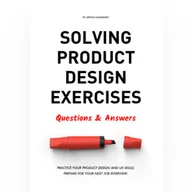
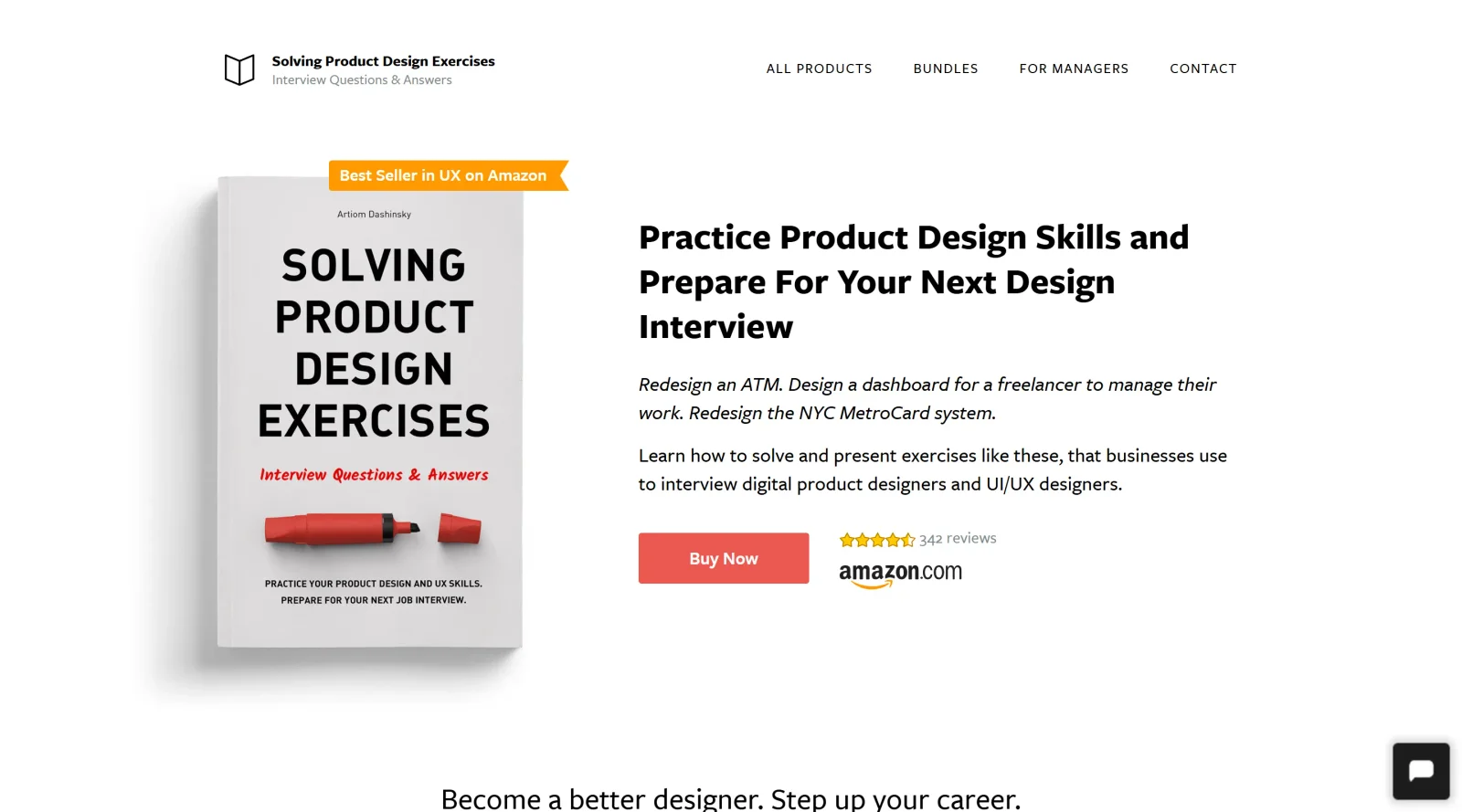
Solving Product Design Exercises: Questions & Answers by Artiom Dashinsky provides a structured guide to tackling product design exercises commonly encountered in UX and product design interviews. The book presents questions and detailed answers that demonstrate how to approach these challenges systematically. Artiom Dashinsky, a product designer, author, and entrepreneur based in Tel Aviv and Berlin, draws from his experience leading design at startups like WeWork, co-founding a tech startup, and managing an agency. His work, including digital and content products used by professionals at companies such as Google, Meta, Airbnb, and Netflix, informs the practical focus of Solving Product Design Exercises: Questions & Answers. Within the design discipline, this book addresses product thinking and interview preparation, bridging UX research, ideation, and solution validation for aspiring product designers.
What Solving Product Design Exercises: Questions & Answers Covers
- Common product design interview questions with step-by-step answers that outline problem-solving processes.
- Frameworks for conducting user research and defining problems in time-constrained exercises.
- Techniques for ideation, prioritizing features, and sketching wireframes during design challenges.
- Methods to validate solutions through prototyping and usability considerations.
- Approaches to articulating design decisions and trade-offs to interviewers.
- Insights into product discovery processes applicable beyond interviews, such as refining UX workflows.
Key Takeaways from Solving Product Design Exercises: Questions & Answers
Readers of Solving Product Design Exercises: Questions & Answers gain frameworks for structuring their design process from discovery to solution validation, as demonstrated in Artiom Dashinsky's answered exercises. The book emphasizes showing process over polished visuals, including steps like foundational research, ideation, and next-step planning. It highlights the importance of customer context in solutions and avoiding design pitfalls such as insufficient validation. Distinct to this approach is the focus on actionable product thinking that aligns with real-world startup and agency experiences, providing perspectives on expressing personal design processes effectively. Dashinsky's examples illustrate how to move quickly through phases while maintaining rigor in UX research and decision-making.
Who Is Solving Product Design Exercises: Questions & Answers For?
Solving Product Design Exercises: Questions & Answers targets UX and product designers preparing for job interviews, particularly those facing design exercises at tech companies. It suits junior to mid-level designers seeking to refine their product thinking and interview performance, as well as generalists aiming to sharpen skills in product discovery. Recruiters and hiring managers may use it to develop design exercises for candidates. Professionals at startups or agencies transitioning roles will find the content relevant for practicing structured responses. Learn more about Solving Product Design Exercises: Questions & Answers
Featured Tools
Sponsored
Artlist
Royalty-free music, SFX, 8K footage, templates, LUTs and 100+ AI models on a single subscription for video creators.

Icons8
Large icon packs featuring over 10,000 icons for consistent design themes.

Vidu
AI video generator with text, image and reference-to-video modes, producing 3–16 second clips at up to 1080p with characters that stay consistent across shots.
Your tool here
The tools above are our own picks until the slots sell.
Spotlight
SponsoredRotates daily
Hailuo AI
AI video generator from MiniMax with cinematic, language-driven camera control.
More Books Tools
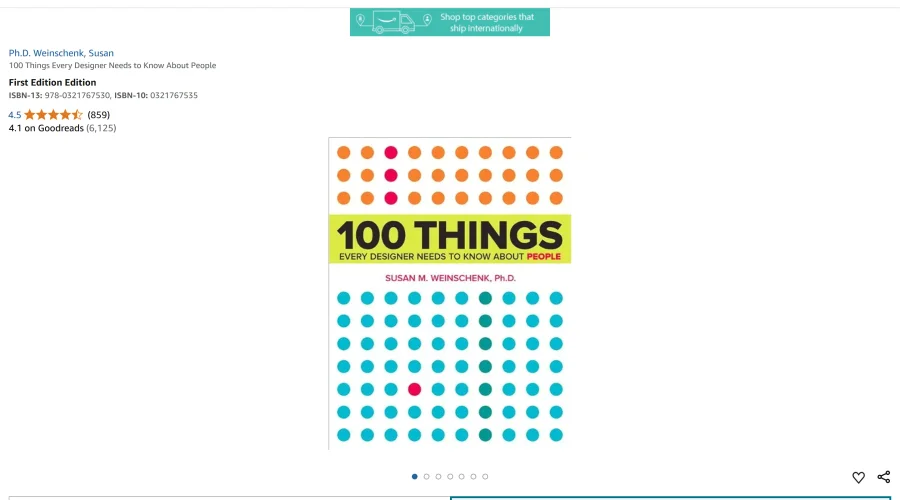
100 Things Every Designer Needs to Know About People
Susan Weinschenk
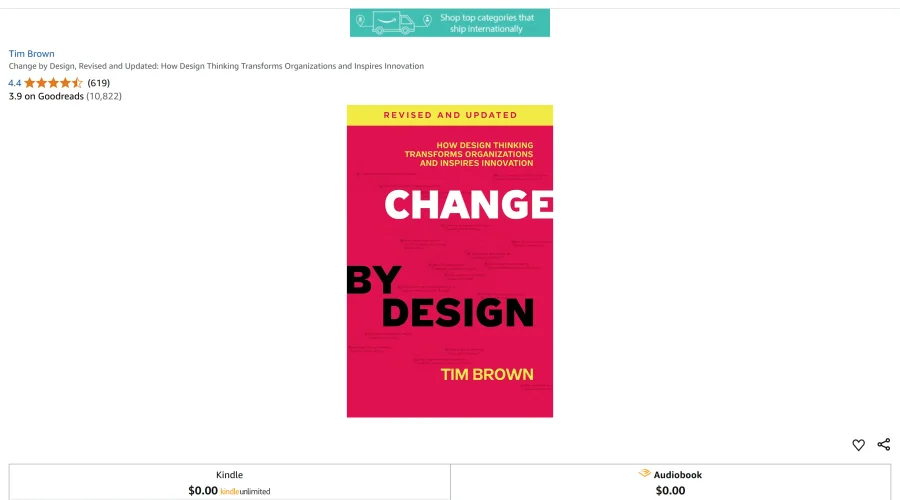
Change by Design
Tim Brown
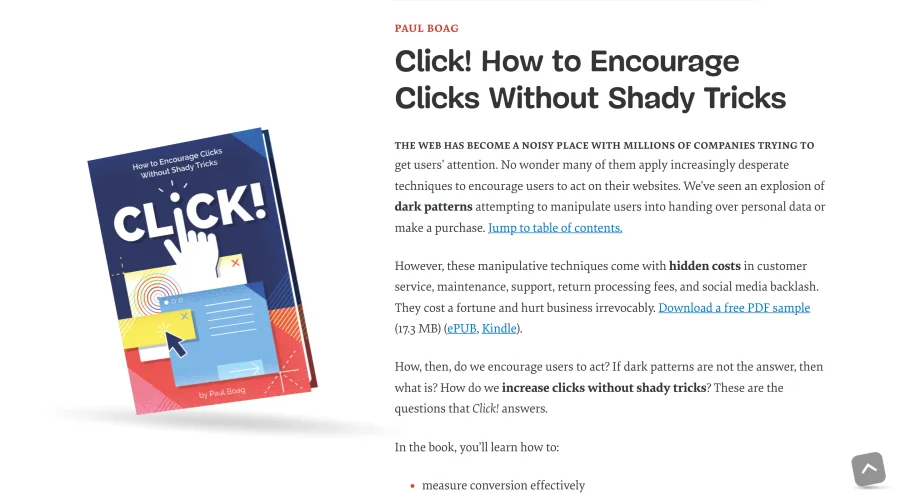
Click!
Strategies for ethical design that encourages user engagement.
Design Systems & DesignOps in the Enterprise
UXPin, Whitespace
Don't Make Me Think: A Common Sense Approach to Web Usability
Steve Krug
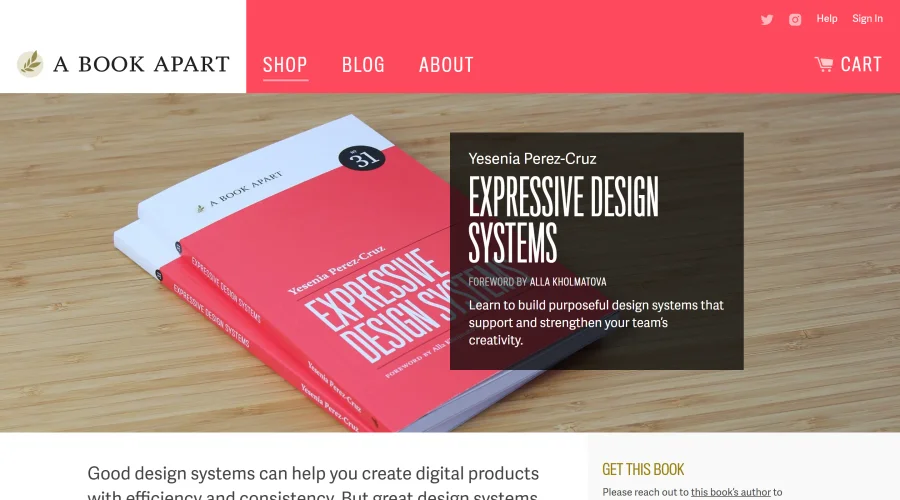
Expressive Design Systems
Yesenia Perez-Cruz
Explore Other Categories
Discover more design resources
New to Design?
Explore our comprehensive design glossary to master essential terminology from A/B Testing to Wireframes.
Browse GlossaryLooking for something specific?
Search through our entire collection of design tools and resources