
What it costs
- Free tier
- No
Paid book; scrape landed on the generic Amazon homepage so the book's price was not captured.
Auto-checked on 8 August 2026Source
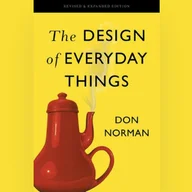
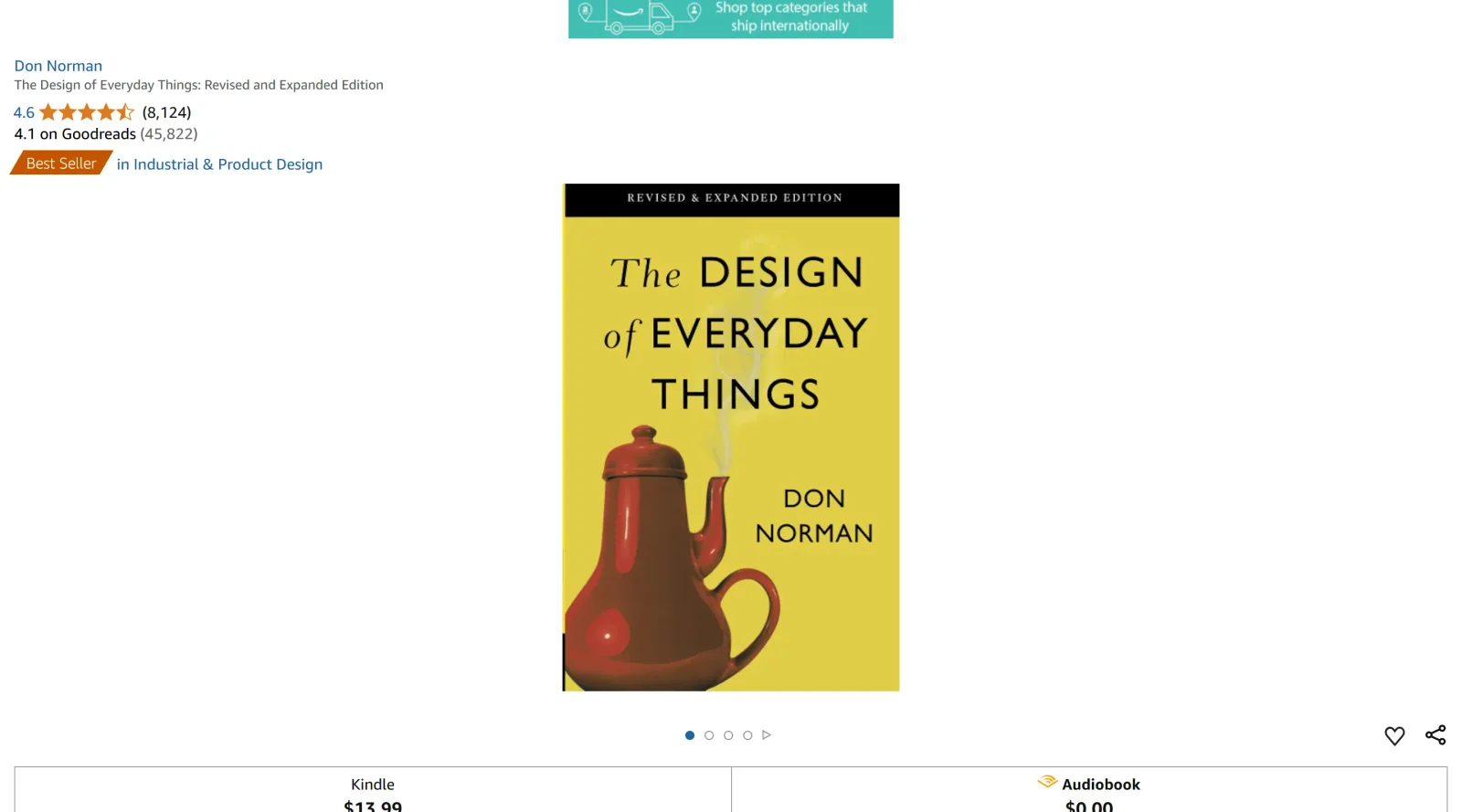
About The Design of Everyday Things
What Is The Design of Everyday Things?
The Design of Everyday Things by Don Norman examines the principles of human-centered design applied to ordinary objects and interfaces. Don Norman, a cognitive scientist and pioneer in user experience, analyzes why some everyday items function intuitively while others frustrate users through poor design choices. The book positions itself within the discipline of user-centered design, emphasizing how design serves as communication between objects and people to facilitate natural interactions. Norman argues that effective design prioritizes user needs over aesthetics or complexity, using real-world examples like doors, switches, and appliances to illustrate flaws in discoverability and usability.
What The Design of Everyday Things Covers
- Affordances, which describe the perceived and actual properties of objects that determine possible actions, such as a handle suggesting it can be pulled.
- Signifiers, cues that indicate how to use an object, like arrows or labels that guide user behavior beyond mere affordances.
- Constraints, limitations including physical, cultural, semantic, and logical types that prevent incorrect actions and narrow user choices.
- Mappings, the natural relationships between controls and their effects, such as arranging switches to correspond intuitively with lights or appliances.
- Feedback mechanisms that confirm actions and their outcomes, helping users understand if an interaction succeeded or failed.
- Knowledge in the head versus knowledge in the world, exploring how designs bridge gaps between internal mental models and external cues.
Key Takeaways from The Design of Everyday Things
Readers of The Design of Everyday Thingsgain frameworks for evaluating and improving design through Don Norman's core concepts like the five principles of good design: affordances, signifiers, constraints, mappings, and feedback. The book outlines the seven stages of action, from forming a goal to evaluating results, highlighting gulfs of execution and evaluation that arise when designs fail to align with human psychology. Norman introduceshuman-centered designas a process focused on solving the right problems while meeting human capabilities, incorporating levels of processing—visceral, behavioral, and reflective—to address automatic and conscious interactions. Distinctive perspectives include shifting blame from users to inadequate discoverability and understanding, and using conceptual models that match user expectations for intuitive experiences.
Who Is The Design of Everyday Things For?
The Design of Everyday Things suits designers, product managers, engineers, and cognitive scientists interested in UX research and design thinking principles. It addresses those working on interfaces, industrial products, or digital systems who seek to apply user psychology to enhance usability and reduce errors. Experience levels range from students encountering human-centered design concepts to practitioners refining skills in affordances, signifiers, and constraints. The book also appeals to anyone analyzing everyday frustrations with objects to understand underlying design principles. Learn more about The Design of Everyday Things
Featured Tools
Sponsored
Artlist
Royalty-free music, SFX, 8K footage, templates, LUTs and 100+ AI models on a single subscription for video creators.

Icons8
Large icon packs featuring over 10,000 icons for consistent design themes.

Vidu
AI video generator with text, image and reference-to-video modes, producing 3–16 second clips at up to 1080p with characters that stay consistent across shots.
Your tool here
The tools above are our own picks until the slots sell.
Spotlight
SponsoredRotates daily
HyNote
Records and transcribes interviews and meetings, then turns them into summaries and action items.
More Books Tools
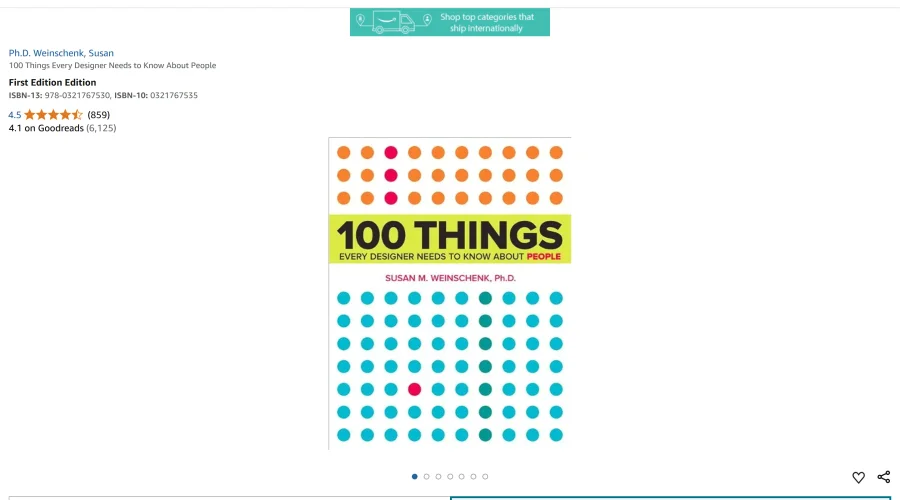
100 Things Every Designer Needs to Know About People
Susan Weinschenk
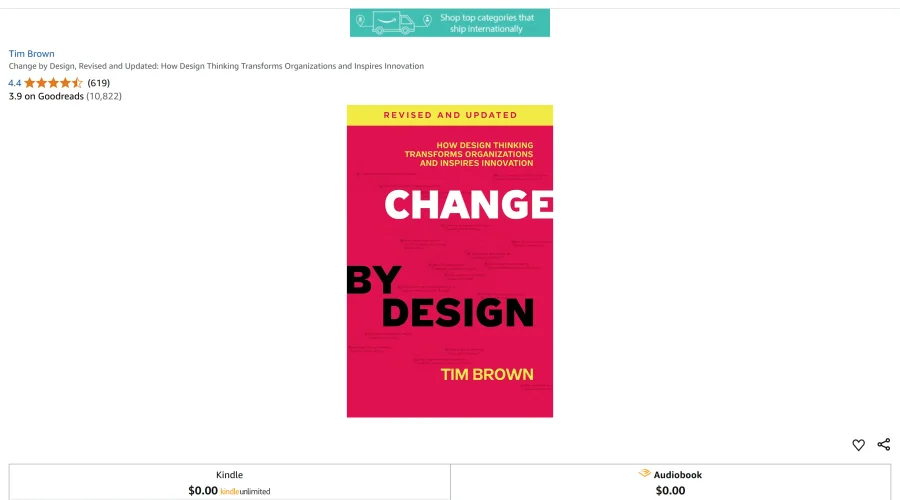
Change by Design
Tim Brown
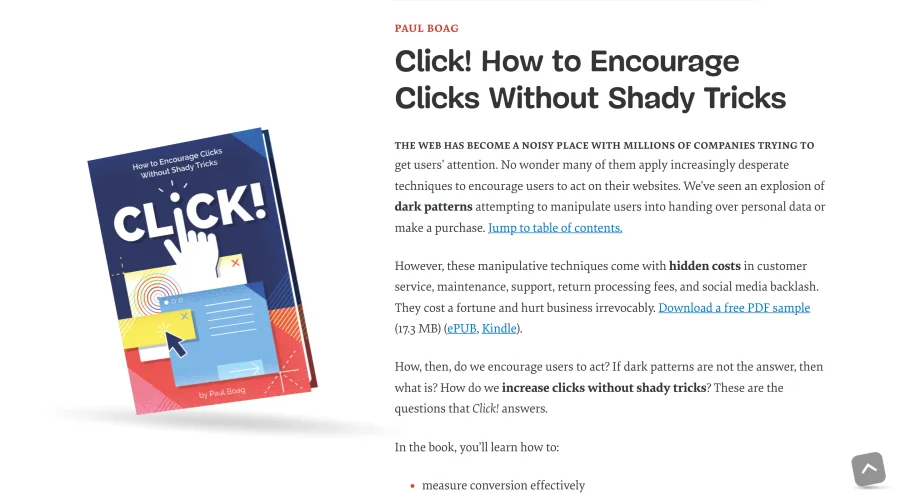
Click!
Strategies for ethical design that encourages user engagement.


Design Systems & DesignOps in the Enterprise
UXPin, Whitespace
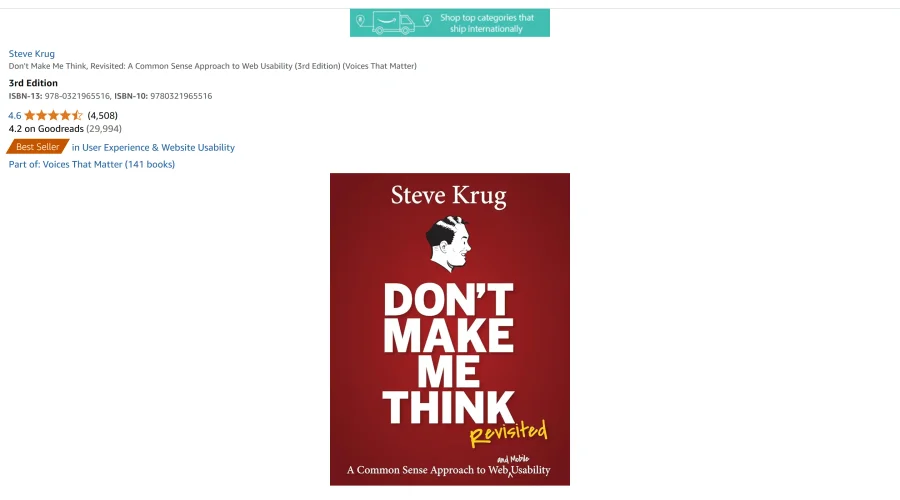
Don't Make Me Think: A Common Sense Approach to Web Usability
Steve Krug

Expressive Design Systems
Yesenia Perez-Cruz
Explore Other Categories
Discover more design resources
New to Design?
Explore our comprehensive design glossary to master essential terminology from A/B Testing to Wireframes.
Browse GlossaryLooking for something specific?
Search through our entire collection of design tools and resources