

What it costs
- Free tier
- No
Paid book; scrape landed on the generic Amazon homepage so the book's price was not captured.
Auto-checked on 8 August 2026Source
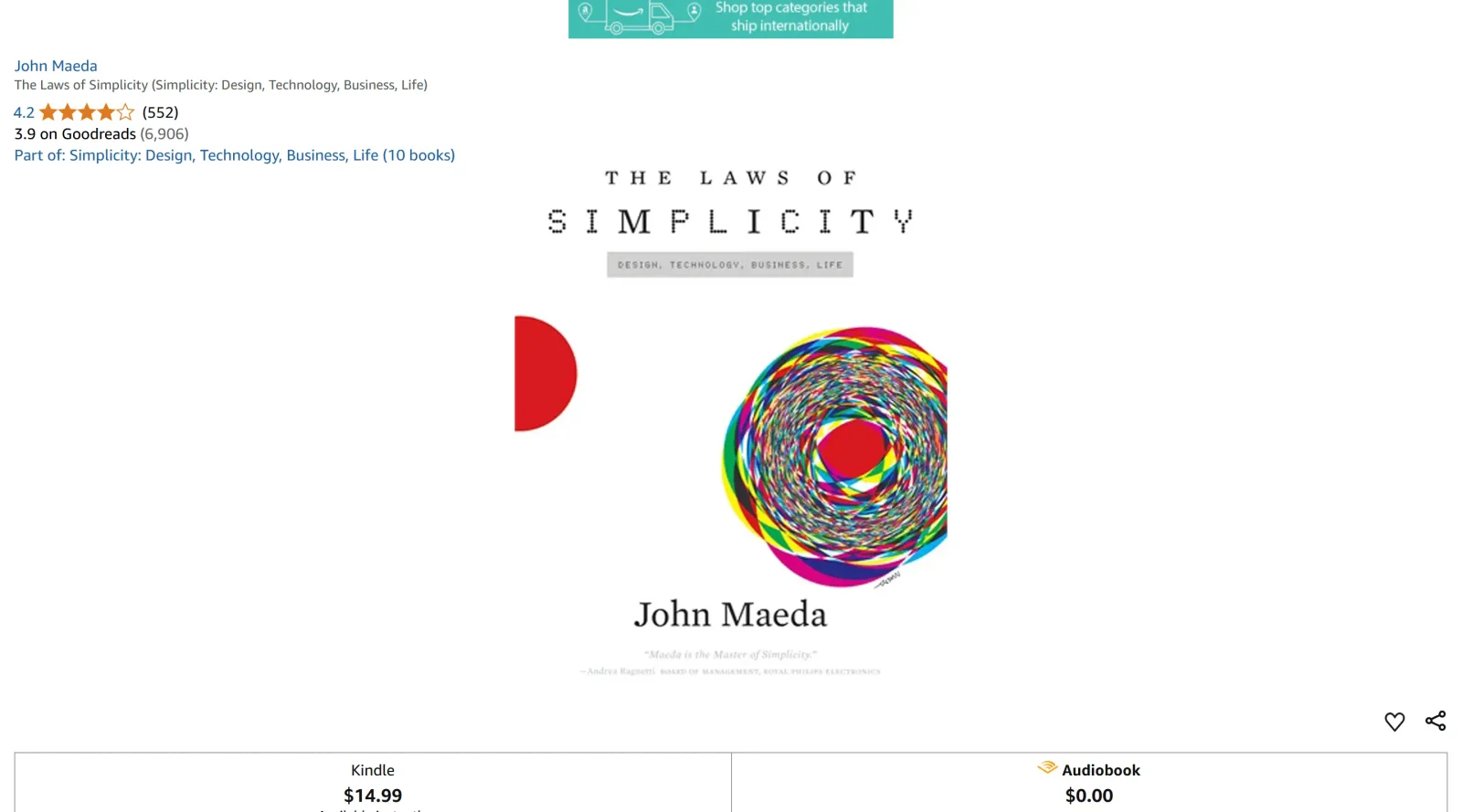
About The Laws of Simplicity
What Is The Laws of Simplicity?
The Laws of Simplicity is a book by John Maeda, a graphic designer and computer scientist known for his work at the intersection of art, technology, and design. Published as part of design thinking literature, The Laws of Simplicity outlines principles for simplifying complex systems in design, technology, business, and everyday life. John Maeda presents ten laws and three keys that address the balance between simplicity and complexity, offering frameworks applicable to product design, user experience, and organizational strategies. The book explores how thoughtful reduction and strategic organization can enhance usability without sacrificing functionality, positioning it within the broader discipline of visual design principles and user-centered design.
What The Laws of Simplicity Covers
- Thoughtful reduction as a method to achieve simplicity by removing unnecessary elements while preserving core value, including techniques like shrink, hide, and embody.
- Organization strategies that make complex systems appear simpler by grouping elements into fewer categories.
- The role of time savings in creating perceptions of simplicity, such as through efficient processes and rapid delivery.
- Learning principles that build knowledge to simplify interactions, emphasizing repetition, basics, and intuitive familiarity in design.
- The interplay of differences between simplicity and complexity, where each amplifies the value of the other in design contexts.
- Contextual awareness, highlighting how peripheral elements contribute to overall simplicity in user experiences.
Key Takeaways from The Laws of Simplicity
Readers of The Laws of Simplicity gain frameworks centered on ten specific laws, including Reduce, Organize, Time, Learn, Differences, Context, Emotion, Trust, Failure, and The One, along with three keys: Away, Open, and Power. These concepts emphasize subtracting the obvious while adding meaningful elements, such as incorporating emotions to enhance engagement or leveraging trust through reliable undo functions and competence. John Maeda's approach in The Laws of Simplicity distinguishes itself by integrating technology and business perspectives into design principles, promoting methods like moving complexity away to simplify immediate experiences and using openness to manage intricacy. The book also addresses failure as an inherent part of simplification efforts, viewing it as an opportunity for perspective shifts and return on failure through learning.
Who Is The Laws of Simplicity For?
The Laws of Simplicity targets designers, technology professionals, and business leaders interested in design thinking and UX principles who seek structured approaches to simplify products and processes. It suits those with intermediate experience in visual design or product development, as well as anyone exploring the balance of simplicity and complexity in technology-driven environments. The content provides practical insights for roles involving user interface design, system organization, and innovation strategies. Learn more about The Laws of Simplicity
Featured Tools
Sponsored
Artlist
Royalty-free music, SFX, 8K footage, templates, LUTs and 100+ AI models on a single subscription for video creators.

Icons8
Large icon packs featuring over 10,000 icons for consistent design themes.

Vidu
AI video generator with text, image and reference-to-video modes, producing 3–16 second clips at up to 1080p with characters that stay consistent across shots.
Your tool here
The tools above are our own picks until the slots sell.

More Books Tools
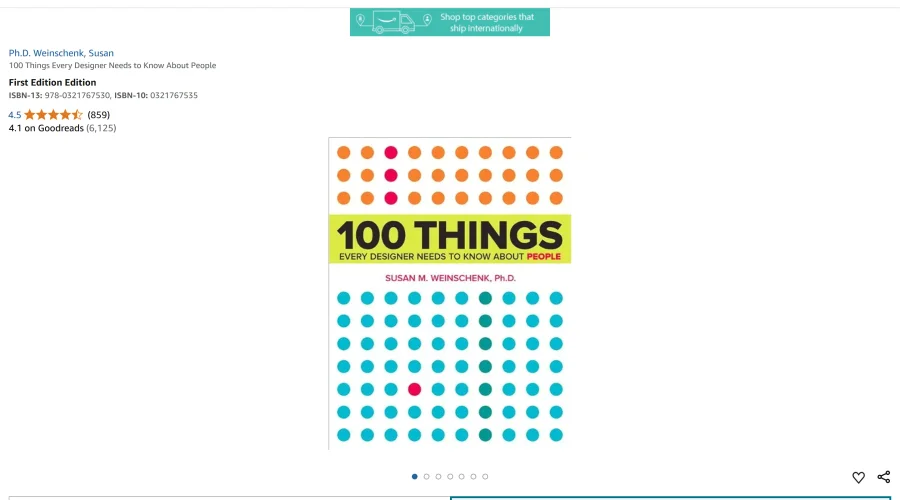
100 Things Every Designer Needs to Know About People
Susan Weinschenk
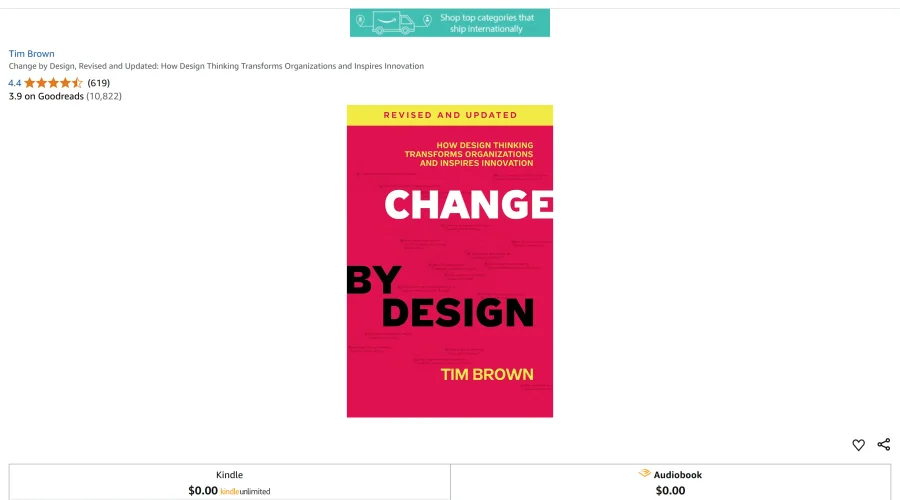
Change by Design
Tim Brown


Click!
Strategies for ethical design that encourages user engagement.


Design Systems & DesignOps in the Enterprise
UXPin, Whitespace
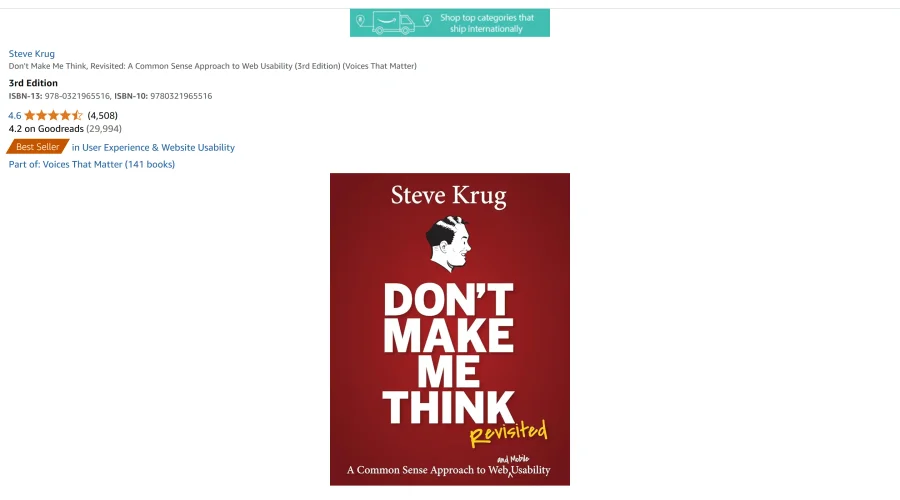
Don't Make Me Think: A Common Sense Approach to Web Usability
Steve Krug

Expressive Design Systems
Yesenia Perez-Cruz
Explore Other Categories
Discover more design resources
New to Design?
Explore our comprehensive design glossary to master essential terminology from A/B Testing to Wireframes.
Browse GlossaryLooking for something specific?
Search through our entire collection of design tools and resources