
What it costs
- Free tier
- No
Paid book, but the scrape captured Amazon's generic homepage so no product price is shown.
Auto-checked on 8 August 2026Source
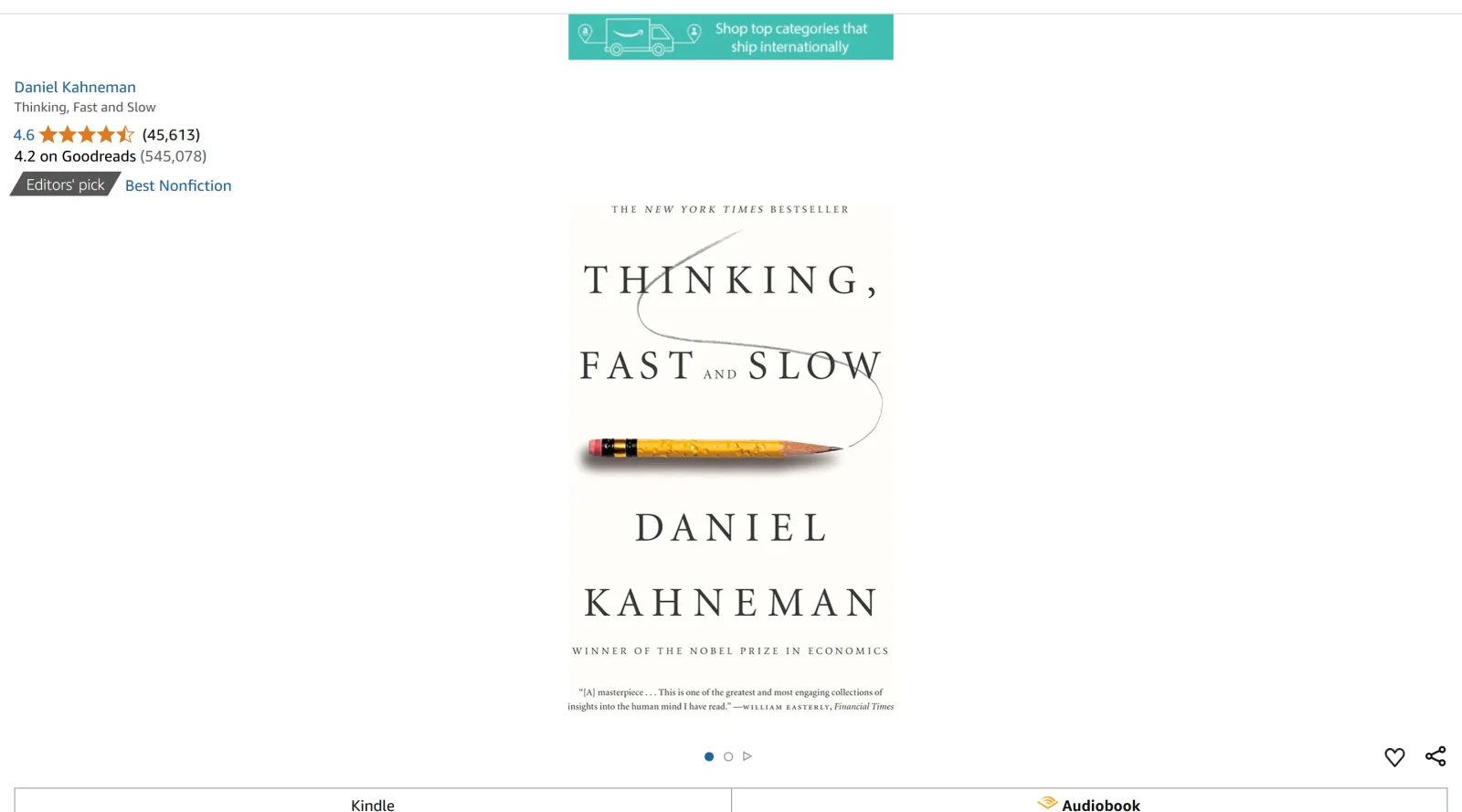
About Thinking, Fast and Slow
What Is Thinking, Fast and Slow?
Thinking, Fast and Slow is a book by Daniel Kahneman, a Nobel Prize-winning psychologist known for his work in behavioral economics and cognitive psychology. The book examines the dual processes of human thought, distinguishing between fast, intuitive thinking and slower, deliberative reasoning. While rooted in psychology, Thinking, Fast and Slow offers insights relevant to design disciplines, particularly design thinking and UX research, where understanding cognitive biases and decision-making patterns informs user-centered design, interface usability, and problem-solving frameworks. Daniel Kahneman draws on decades of experimental research to map how these mental systems shape judgments and choices in everyday scenarios, providing a foundation for designers to anticipate user behaviors and mitigate intuitive errors in visual design principles and interaction flows.
What Thinking, Fast and Slow Covers
- System 1 and System 2 thinking modes, where System 1 operates automatically, quickly, and intuitively, while System 2 requires effortful attention and logical analysis.
- Cognitive biases and heuristics, such as the availability heuristic and substitution effects, that lead to systematic errors in judgment.
- Overconfidence and the WYSIATI (What You See Is All There Is) principle, explaining how decisions rely on limited information while ignoring unknowns.
- Prospect theory elements, including loss aversion, diminishing sensitivity, and framing effects on risk perception.
- The distinction between experiencing self and remembering self, and their differing impacts on well-being and memory evaluation.
- Associative memory, cognitive illusions like the invisible gorilla experiment, and the limits of attention and multitasking.
Key Takeaways from Thinking, Fast and Slow
In Thinking, Fast and Slow, Daniel Kahneman presents a framework of two mental systems that govern cognition: System 1 for rapid, effortless impressions and inclinations that often become beliefs, and System 2 for deliberate control that intervenes in complex situations. Readers gain perspectives on how System 1 generates cognitive ease, leading to phenomena like halo effects, anchoring, and confirmation biases, while System 2 monitors but frequently defaults to laziness under cognitive load. The book details behavioral fallacies, such as overweighting low probabilities and narrow framing of decisions, and introduces concepts like the remembering self's focus on peaks, ends, and duration neglect over ongoing experiences. These ideas highlight the interplay between intuition and analysis, offering tools to recognize when fast thinking substitutes easier questions for harder ones, which applies to refining UX research methods and design thinking processes.
Who Is Thinking, Fast and Slow For?
Thinking, Fast and Slow suits psychologists, behavioral economists, UX designers, and researchers in UX research and design thinking who seek to understand cognitive processes underlying user decisions and interface interactions. It addresses professionals at intermediate to advanced levels dealing with user behavior analysis, A/B testing, or prototyping, as well as students and practitioners in visual design principles aiming to counter biases in perception and judgment. Those interested in how intuitive errors affect creative problem-solving and decision architecture will find its content applicable. Learn more about Thinking, Fast and Slow
Featured Tools
Sponsored
Artlist
Royalty-free music, SFX, 8K footage, templates, LUTs and 100+ AI models on a single subscription for video creators.

Icons8
Large icon packs featuring over 10,000 icons for consistent design themes.

Vidu
AI video generator with text, image and reference-to-video modes, producing 3–16 second clips at up to 1080p with characters that stay consistent across shots.
Your tool here
The tools above are our own picks until the slots sell.
Spotlight
SponsoredRotates daily
Hailuo AI
AI video generator from MiniMax with cinematic, language-driven camera control.
More Books Tools
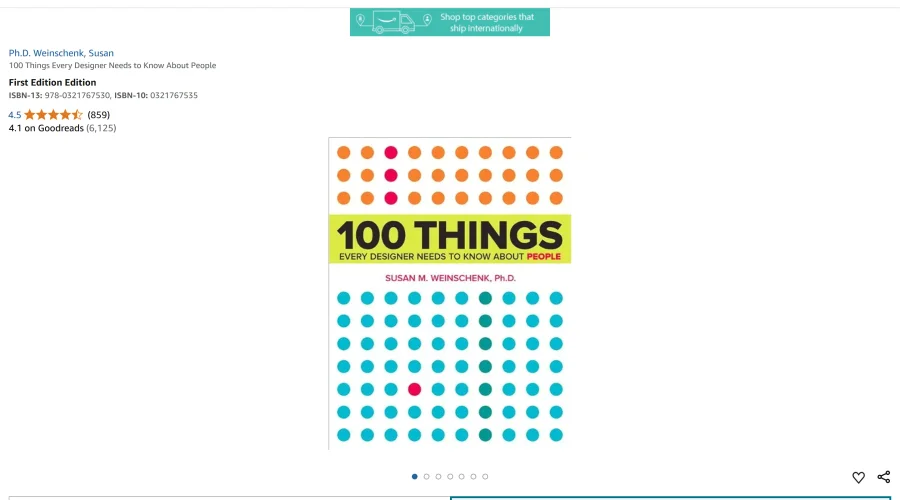
100 Things Every Designer Needs to Know About People
Susan Weinschenk
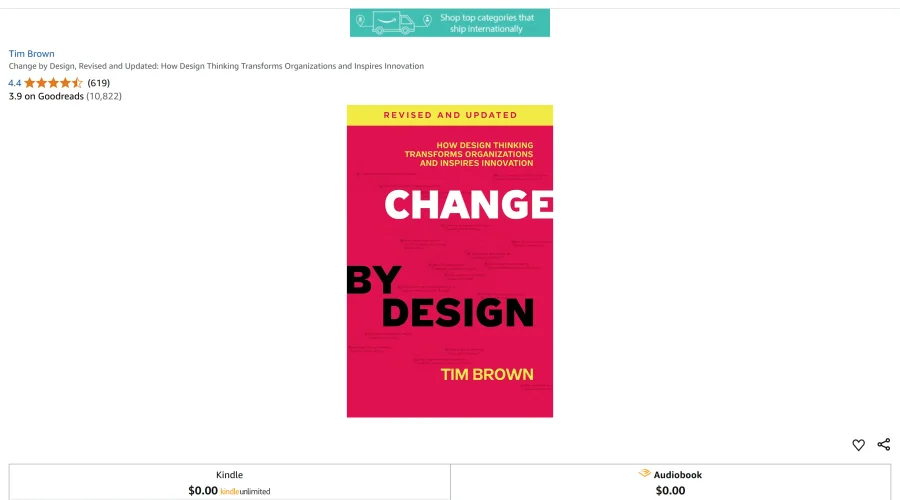
Change by Design
Tim Brown
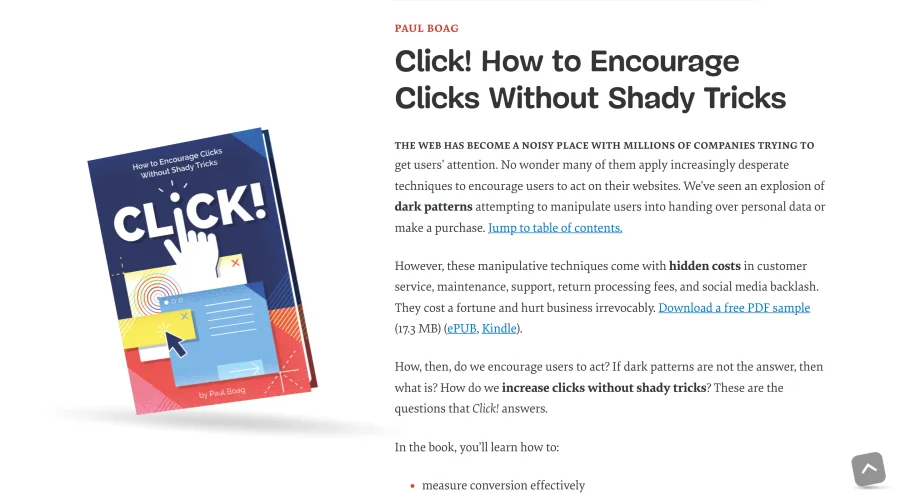

Click!
Strategies for ethical design that encourages user engagement.
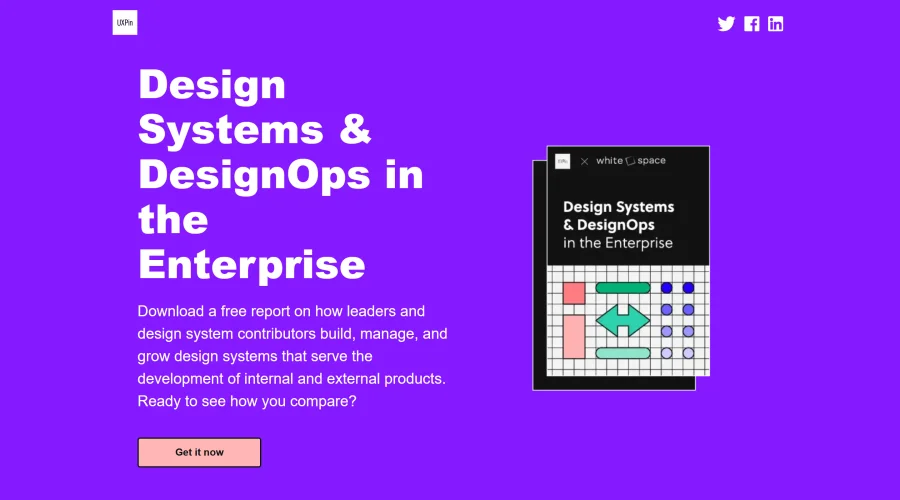

Design Systems & DesignOps in the Enterprise
UXPin, Whitespace
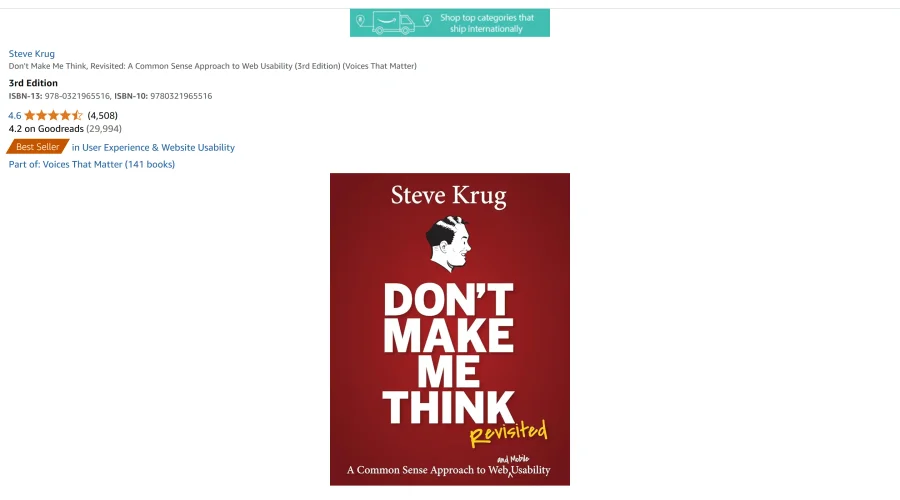
Don't Make Me Think: A Common Sense Approach to Web Usability
Steve Krug
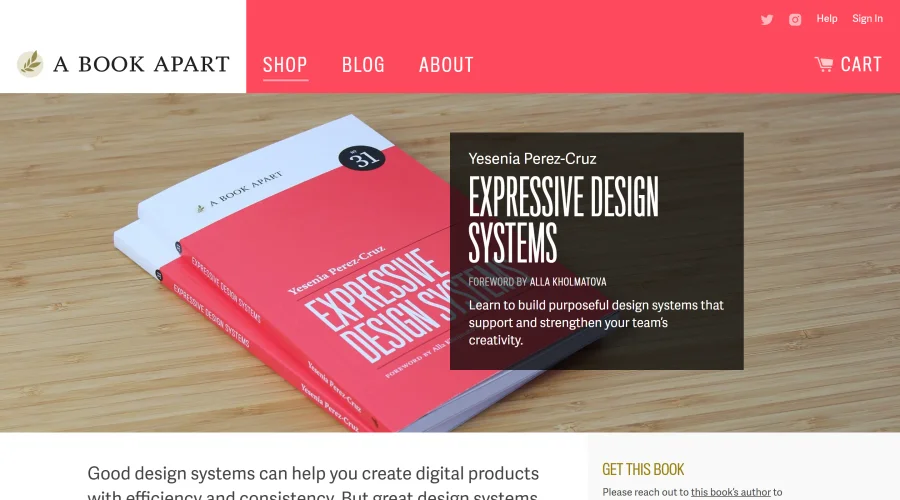
Expressive Design Systems
Yesenia Perez-Cruz
Explore Other Categories
Discover more design resources
New to Design?
Explore our comprehensive design glossary to master essential terminology from A/B Testing to Wireframes.
Browse GlossaryLooking for something specific?
Search through our entire collection of design tools and resources