
Emotional Design
Focusing on crafting interfaces or products that elicit positive emotions and brand loyalty.
What is Emotional Design in UX?
Emotional design is a strategic approach in UX/UI that focuses on creating interfaces or products that evoke positive emotions and foster brand loyalty. By incorporating elements that trigger emotional responses such as delight, excitement, or joy, designers aim to enhance user engagement and create memorable experiences. This methodology, popularized by Donald Norman, emphasizes the importance of emotional connection in product design, leading to increased user satisfaction and loyalty. Emotional design integrates various design elements like color, typography, and imagery to influence user perceptions and interactions, making products not only functional but also desirable and enjoyable.
Key Elements of Emotional Design
- Emotional Connection: Emotional design aims to establish a strong emotional bond between users and products, leading to increased loyalty and satisfaction.
- User Experience: It enhances user experience by making interactions both functional and memorable.
- Design Elements: Strategic use of color, typography, imagery, and narrative to evoke emotions.
- Brand Loyalty: Positive emotional experiences lead to increased brand loyalty and user retention.
Benefits of Emotional Design
- Enhanced Engagement: Emotional connections lead to higher user engagement and interaction with products.
- Memorable Experiences: Designs that evoke joy or surprise create lasting impressions on users.
- Competitive Advantage: Products with emotional appeal stand out in competitive markets.
- Increased Loyalty: Positive emotional experiences foster long-term brand loyalty.
Implementing Emotional Design
- Understand User Needs: Designers must understand what emotions users want to experience when interacting with a product.
- Use Emotional Triggers: Incorporate design elements that trigger positive emotional responses.
- Test and Iterate: Conduct user testing to refine designs based on emotional feedback.
Examples of Emotional Design
- Apple Products: Known for sleek designs that evoke feelings of luxury and modernity.
- Disney Apps: Use vibrant colors and engaging narratives to create joyful experiences.
- Social Media Platforms: Employ emotional triggers like likes and shares to enhance user engagement.
Best Practices for Emotional Design
- User-Centered Approach: Design with the user's emotional needs in mind.
- Consistency: Ensure that all design elements contribute to a cohesive emotional experience.
- Feedback Loop: Continuously gather user feedback to refine emotional design elements.
Future of Emotional Design
As technology advances, emotional design will play a crucial role in creating immersive experiences that are both functional and emotionally satisfying. With the rise of AI and AR/VR technologies, designers will have new tools to craft experiences that are even more engaging and memorable.
Conclusion
Emotional design is a powerful tool in UX/UI that transforms user interactions from mere functionality to memorable experiences. By focusing on emotional connections, designers can create products that are not only used but loved, leading to increased brand loyalty and customer satisfaction. As the field continues to evolve, incorporating emotional design principles will be essential for creating successful and engaging products.
Explore Other Terms
A/B Testing (Split Testing)
ResearchComparing two versions of a design or feature to see which performs better.
Adaptive Design
UICreating distinct layouts tailored for specific screen sizes rather than using one responsive layout.
Alignment
GraphicArranging elements so their edges or centers line up, promoting order and unity.
Aspect Ratio
UI / GraphicThe proportional relationship between width and height of an image or screen (e.g., 16:9).
Atomic Design
UIA methodology breaking UIs into basic building blocks (atoms, molecules, organisms) for consistency and scalability.
Balance
GraphicThe visual distribution of elements in a layout; can be symmetrical, asymmetrical, or radial.
Explore Design Tools
Discover tools that help you apply emotional design in your work.
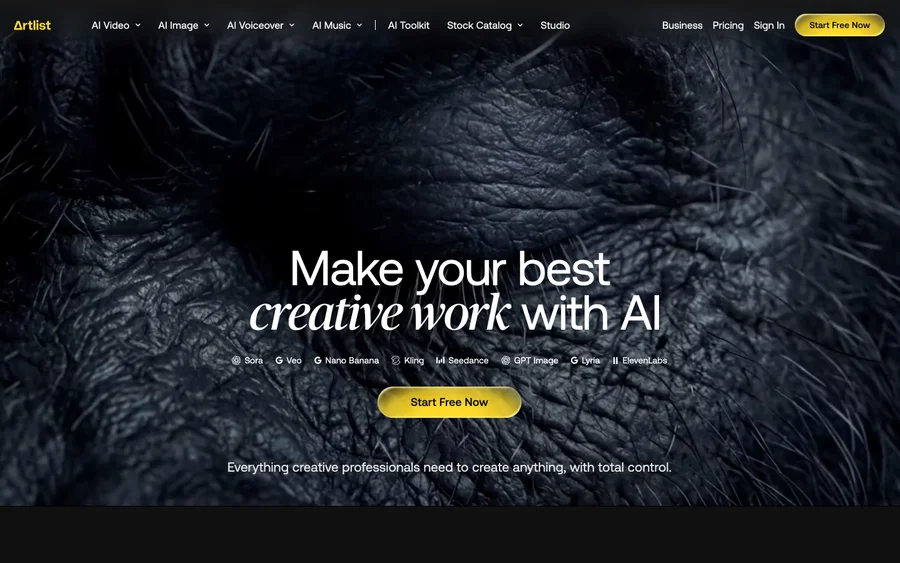

Artlist
Royalty-free music, SFX, 8K footage, templates, LUTs and 100+ AI models on a single subscription for video creators.
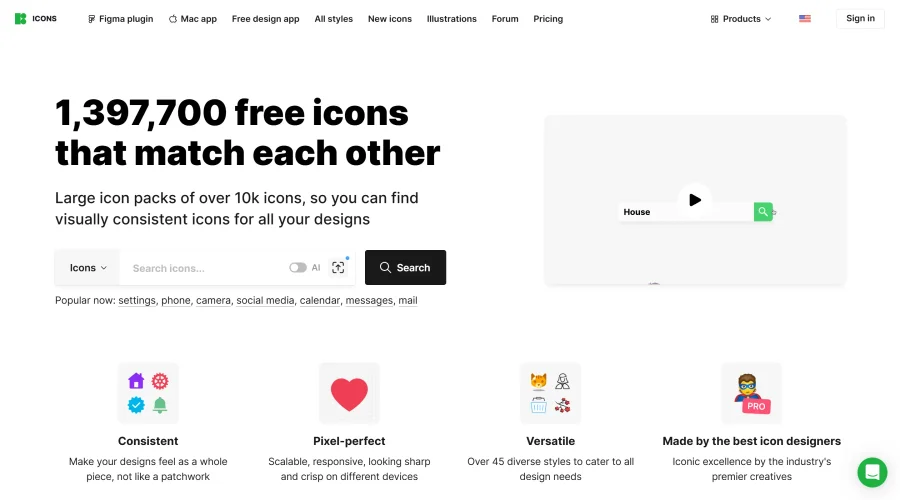

Icons8
Large icon packs featuring over 10,000 icons for consistent design themes.
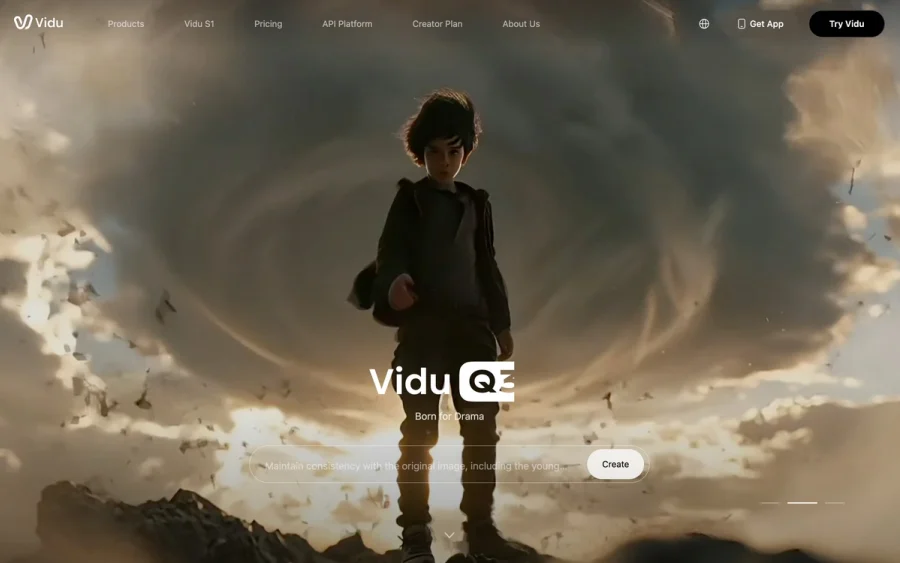

Vidu
AI video generator with text, image and reference-to-video modes, producing 3–16 second clips at up to 1080p with characters that stay consistent across shots.
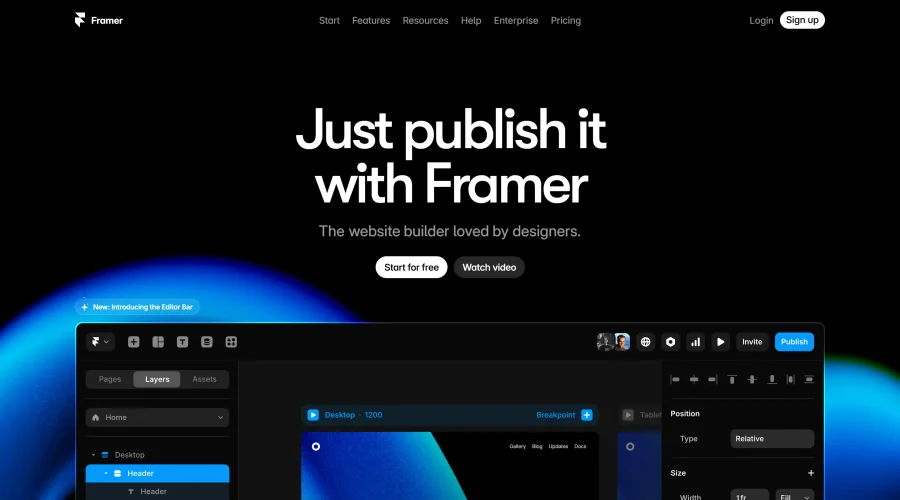

Framer
Design and launch your dream website with no coding required.
Continue Your Learning Journey
The design glossary is just the beginning. Explore more terms, discover tools, and level up your design skills.