
UI Pattern
A reusable solution to a common design problem (e.g., hamburger menu for mobile navigation).
What is UI Pattern?
UI patterns are reusable solutions to common design problems, serving as essential building blocks for creating user-friendly and consistent interfaces. They include elements like the hamburger menu for mobile navigation, which simplifies user interaction on smaller screens. By using UI patterns, designers can ensure a seamless user experience across different platforms and devices.
Importance of UI Patterns
UI patterns enhance user satisfaction by providing familiar and intuitive interfaces. They improve usability by solving common design challenges, making it easier for users to navigate and interact with digital products. Additionally, UI patterns increase design efficiency by reducing the need for new solutions, allowing designers to focus on creative aspects.
Types of UI Patterns
There are several types of UI patterns:
- Layout Patterns: These determine how UI components are arranged on a page, ensuring a clear and organized layout.
- Interaction Patterns: These specify how users interact with UI elements, such as clicking buttons or submitting forms.
- Visual Design Patterns: These define the visual appearance of interactive elements, ensuring consistency in design.
Examples of UI Patterns
- Hamburger Menu: A common UI pattern used for navigation on mobile devices.
- Buttons: Primary, secondary, and tertiary buttons each serve different purposes to guide user interactions.
- Text Fields: Single-line, multi-line, and password fields allow users to input information efficiently.
Benefits of UI Patterns
- Improved User Experience: UI patterns make interfaces more intuitive and accessible.
- Consistency: They ensure a uniform design across different platforms.
- Time Efficiency: By reusing proven patterns, designers save time and focus on innovation.
Implementing UI Patterns
To effectively use UI patterns:
- Identify Common Problems: Determine the frequent design challenges users face.
- Select Appropriate Patterns: Choose patterns that best address these problems.
- Adapt to Context: Tailor patterns to fit specific project requirements.
- Test and Iterate: Implement patterns, gather user feedback, and refine designs accordingly.
Documentation and Consistency
Creating a pattern library helps maintain consistency across projects. It documents how and when to use each pattern, ensuring that teams can apply them effectively.
Explore Other Terms
A/B Testing (Split Testing)
ResearchComparing two versions of a design or feature to see which performs better.
Accessibility
UXDesigning products and interfaces usable by people with varying abilities (e.g., vision, motor, cognitive).
Accessibility Tree
UXA structure that assistive tech (like screen readers) uses to interpret and convey interface elements to users.
Alignment
GraphicArranging elements so their edges or centers line up, promoting order and unity.
Aspect Ratio
UI / GraphicThe proportional relationship between width and height of an image or screen (e.g., 16:9).
Balance
GraphicThe visual distribution of elements in a layout; can be symmetrical, asymmetrical, or radial.
Explore Design Tools
Discover tools that help you apply ui pattern in your work.


Artlist
Royalty-free music, SFX, 8K footage, templates, LUTs and 100+ AI models on a single subscription for video creators.
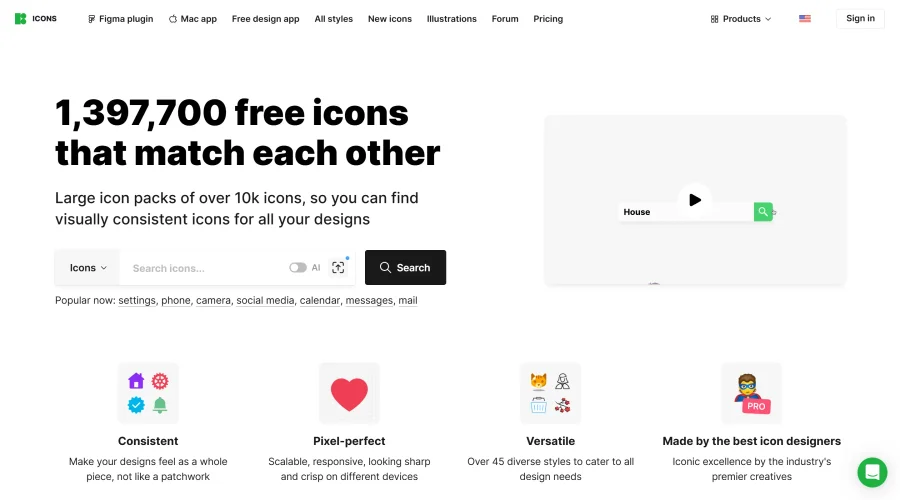

Icons8
Large icon packs featuring over 10,000 icons for consistent design themes.


Vidu
AI video generator with text, image and reference-to-video modes, producing 3–16 second clips at up to 1080p with characters that stay consistent across shots.
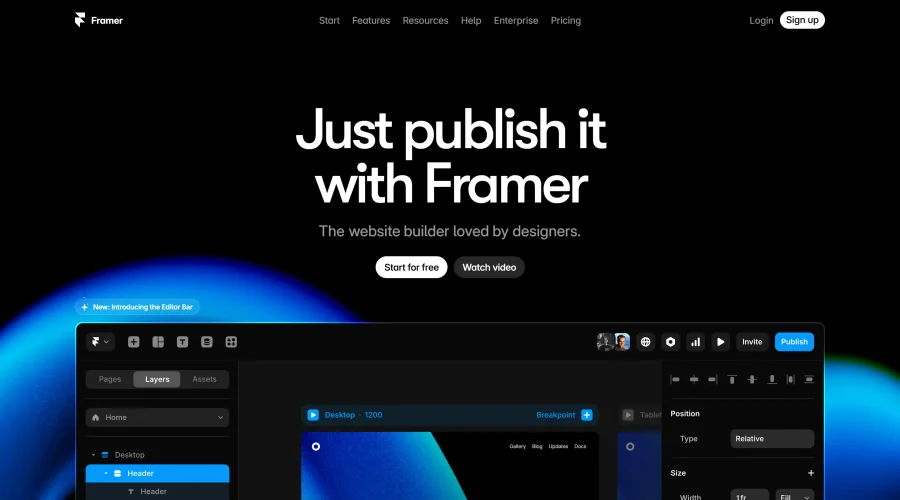

Framer
Design and launch your dream website with no coding required.
Continue Your Learning Journey
The design glossary is just the beginning. Explore more terms, discover tools, and level up your design skills.