
Negative Space (White Space)
The empty space around or between elements, improving clarity and focus.
What is Negative Space (White Space) in Graphic Design?
Negative space, often referred to as white space, is a fundamental design principle used in UX/UI and graphic design. It encompasses the empty areas around or between elements in a composition, enhancing the clarity and focus of the overall design. This space is not necessarily white but can be any color, texture, or pattern that surrounds design elements. Negative space plays a crucial role in improving readability, guiding the viewer's attention, and creating a visually appealing aesthetic.
Benefits of Negative Space
- Enhanced Readability: By providing ample space between text lines and elements, negative space increases legibility and makes content easier to digest. This is particularly important in digital interfaces where information density can be high.
- Visual Hierarchy: Negative space helps establish a visual hierarchy by separating important elements from less critical ones. This ensures that the most crucial information is highlighted and easily accessible to users.
- Aesthetic Appeal: The strategic use of negative space can create a clean and modern look, contributing to a professional and sophisticated design. It also aids in reducing visual clutter, which can lead to a more engaging user experience.
- Focus and Emphasis: By creating areas of emptiness around specific elements, negative space directs the viewer's attention to key points, improving the overall effectiveness of the design.
Types of Negative Space
- Micro White Space: This refers to the small gaps between individual elements such as letters or lines of text. Micro white space is essential for readability and reducing visual noise.
- Macro White Space: Larger spaces between major elements like images and text blocks, macro white space structures the layout and guides the user's eye through the design.
- Passive White Space: Naturally occurring spaces such as margins, passive white space contributes to readability without being intentionally designed.
- Active White Space: Deliberately added to highlight specific elements or create focus areas, active white space directs attention where desired.
Applications in UX/UI Design
In UX/UI design, negative space is used to:
- Improve User Experience: By providing clear pathways and visual cues, negative space enhances navigation and interaction with digital interfaces.
- Enhance Brand Identity: A well-designed use of negative space can reinforce a brand's visual identity and create a consistent user experience across different platforms.
- Optimize Content Presentation: Negative space helps in presenting content in a more organized and accessible manner, ensuring that users can quickly find the information they need.
Best Practices for Using Negative Space
- Balance Content and Space: Ensure that there is a harmonious balance between content and negative space to avoid visual clutter or emptiness.
- Guide the Viewer's Eye: Use negative space to create a clear visual flow, directing users through the design.
- Maintain Consistency: Consistently apply negative space throughout the design to create a cohesive visual language.
- Experiment with Different Layouts: Try various layouts to find the optimal use of negative space for your specific design goals.
Conclusion
Negative space is a powerful tool in UX/UI and graphic design, offering numerous benefits in terms of clarity, focus, and aesthetic appeal. By understanding and effectively utilizing different types of negative space, designers can create engaging, user-friendly interfaces that enhance the overall user experience.
Explore Other Terms
A/B Testing (Split Testing)
ResearchComparing two versions of a design or feature to see which performs better.
Accessibility
UXDesigning products and interfaces usable by people with varying abilities (e.g., vision, motor, cognitive).
Accessibility Tree
UXA structure that assistive tech (like screen readers) uses to interpret and convey interface elements to users.
Adaptive Design
UICreating distinct layouts tailored for specific screen sizes rather than using one responsive layout.
Aspect Ratio
UI / GraphicThe proportional relationship between width and height of an image or screen (e.g., 16:9).
Atomic Design
UIA methodology breaking UIs into basic building blocks (atoms, molecules, organisms) for consistency and scalability.
Explore Design Tools
Discover tools that help you apply negative space (white space) in your work.


Artlist
Royalty-free music, SFX, 8K footage, templates, LUTs and 100+ AI models on a single subscription for video creators.
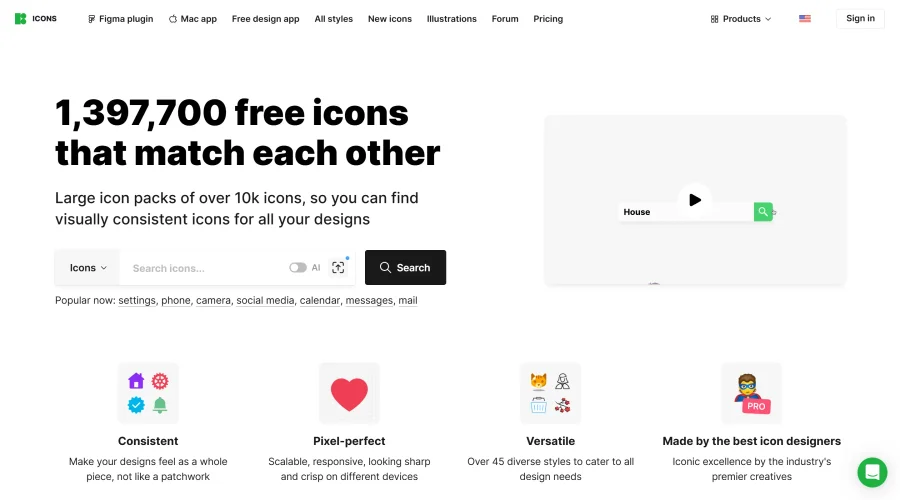

Icons8
Large icon packs featuring over 10,000 icons for consistent design themes.


Vidu
AI video generator with text, image and reference-to-video modes, producing 3–16 second clips at up to 1080p with characters that stay consistent across shots.
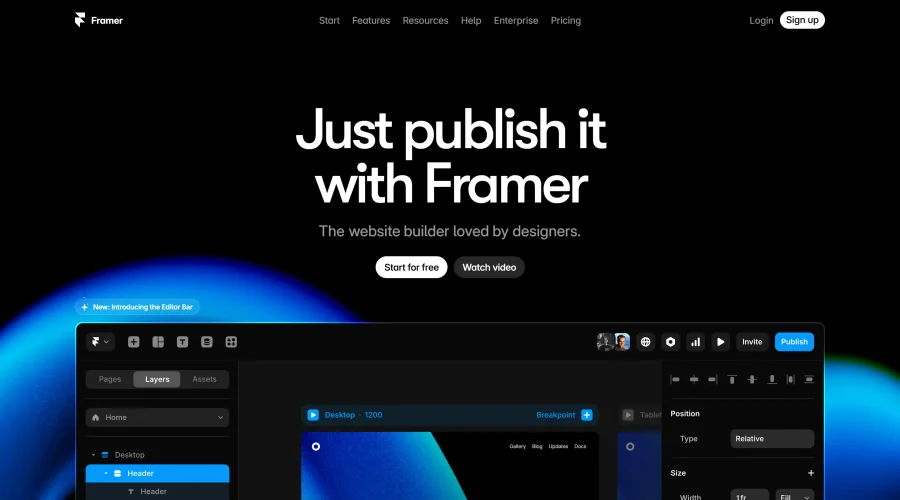

Framer
Design and launch your dream website with no coding required.
Continue Your Learning Journey
The design glossary is just the beginning. Explore more terms, discover tools, and level up your design skills.