
Guerrilla Testing
Quick, low-cost usability testing conducted in informal settings (like coffee shops) to gather immediate feedback.
What is Guerrilla Testing?
Guerrilla testing is a rapid and cost-effective method of usability testing conducted in informal settings such as coffee shops or public areas. This approach allows designers to gather immediate feedback from users by observing how they interact with a product or interface in a natural environment. Unlike traditional usability testing, which often requires a controlled environment and pre-recruited participants, guerrilla testing involves approaching random people and asking them to test a product on the spot.
Key Benefits of Guerrilla Testing
- Cost-Effectiveness: Guerrilla testing eliminates the need for expensive equipment and participant recruitment, making it a budget-friendly option for UX/UI projects.
- Quick Feedback: It provides immediate insights into user behavior and usability issues, allowing for rapid iteration and improvement.
- Natural Environment: Conducting tests in real-world settings helps capture genuine user reactions and behaviors, which might not be as apparent in a controlled environment.
How Guerrilla Testing Works
- Preparation: Create a functional prototype or a version of the product that can be tested on a device like a laptop or smartphone.
- Location Selection: Choose a public location where potential testers are likely to be found, such as cafes, libraries, or shopping malls.
- Participant Selection: Approach people and invite them to participate in a short testing session, often offering incentives like free coffee or similar rewards.
- Testing Session: Have participants complete specific tasks using the product while observing their interactions and noting any issues or difficulties they encounter.
- Feedback Collection: Conduct a brief interview to gather additional insights into their experience and suggestions for improvement.
Deliverables from Guerrilla Testing
- Qualitative Insights: Guerrilla testing provides qualitative data, focusing on why users behave in certain ways rather than quantifying their actions.
- Video Recordings: Capture both screen activity and participant interactions for later analysis.
- Summary Report: Compile findings into a report highlighting key usability issues and recommendations for design improvements.
- Presentation: Prepare a presentation summarizing the results and suggested next steps for the design team.
Best Practices for Guerrilla Testing
- Keep Sessions Short: Typically, sessions last between 10 to 15 minutes to maintain participant engagement and gather focused feedback.
- Flexibility: Be prepared to adjust the testing approach based on early findings or participant feedback.
- Low Equipment Requirements: Basic equipment like a laptop or smartphone is sufficient, reducing logistical complexities.
Integrating Guerrilla Testing into UX/UI Design
Guerrilla testing can be a valuable tool throughout the design process, from initial prototyping to post-launch evaluation. It helps identify usability issues early on, ensuring that the final product meets user needs and expectations. By incorporating guerrilla testing into a design workflow, teams can create more user-friendly and intuitive interfaces that resonate with their target audience.
Future of Guerrilla Testing
As UX/UI design continues to evolve, the role of guerrilla testing will remain significant. Its adaptability and cost-effectiveness make it an attractive option for teams seeking rapid user feedback without extensive resources. Whether used in conjunction with other testing methods or as a standalone approach, guerrilla testing offers a unique perspective on user behavior that can inform design decisions and drive product success.
Explore Other Terms
Accessibility
UXDesigning products and interfaces usable by people with varying abilities (e.g., vision, motor, cognitive).
Accessibility Tree
UXA structure that assistive tech (like screen readers) uses to interpret and convey interface elements to users.
Adaptive Design
UICreating distinct layouts tailored for specific screen sizes rather than using one responsive layout.
Alignment
GraphicArranging elements so their edges or centers line up, promoting order and unity.
Aspect Ratio
UI / GraphicThe proportional relationship between width and height of an image or screen (e.g., 16:9).
Atomic Design
UIA methodology breaking UIs into basic building blocks (atoms, molecules, organisms) for consistency and scalability.
Explore Design Tools
Discover tools that help you apply guerrilla testing in your work.
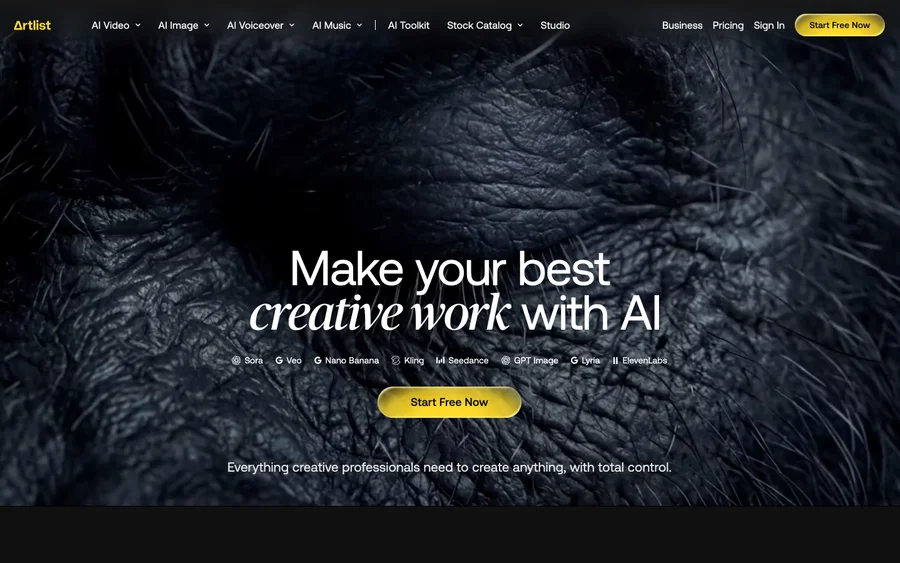

Artlist
Royalty-free music, SFX, 8K footage, templates, LUTs and 100+ AI models on a single subscription for video creators.
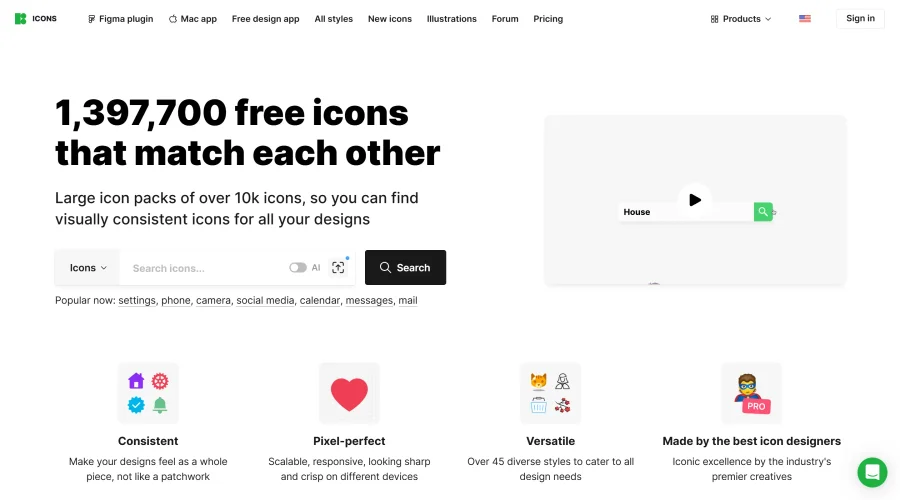

Icons8
Large icon packs featuring over 10,000 icons for consistent design themes.
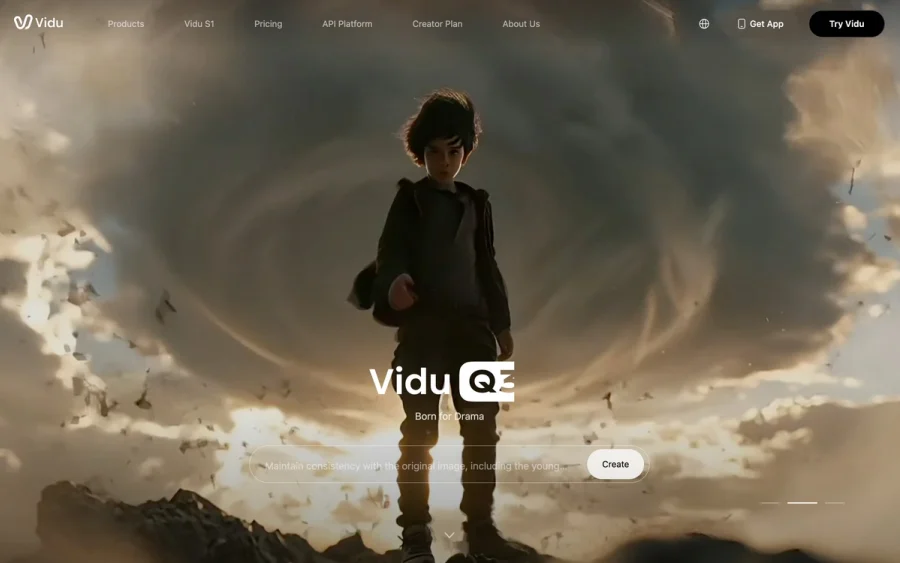

Vidu
AI video generator with text, image and reference-to-video modes, producing 3–16 second clips at up to 1080p with characters that stay consistent across shots.
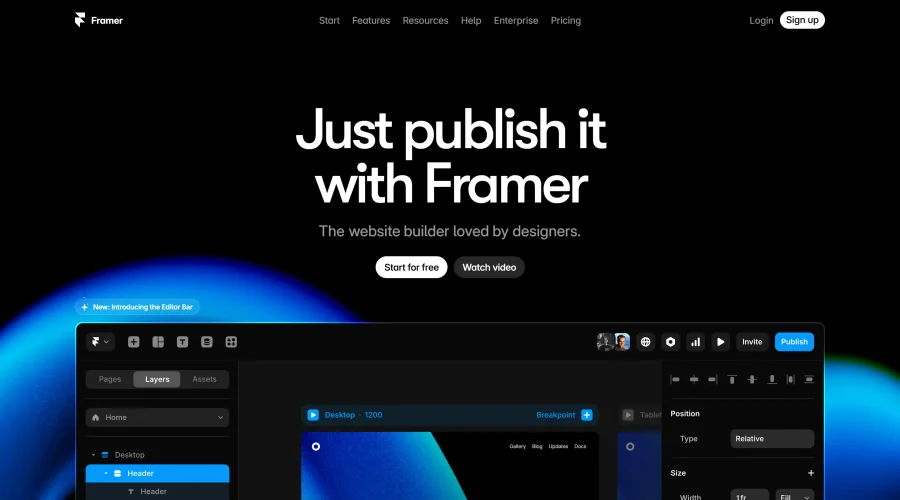

Framer
Design and launch your dream website with no coding required.
Continue Your Learning Journey
The design glossary is just the beginning. Explore more terms, discover tools, and level up your design skills.