
Lean UX
A user experience approach emphasizing rapid, iterative testing and collaboration, aligning with Agile development.
What is Lean UX?
Lean UX is a collaborative and iterative approach to user experience design that aligns closely with Agile development methodologies. It emphasizes rapid testing and feedback to ensure that products meet user needs effectively. By focusing on continuous improvement rather than extensive upfront documentation, Lean UX reduces waste and accelerates the design process. This method involves cross-functional teams working together to solve problems and iterate based on user feedback, ensuring that products are developed efficiently and effectively.
Key Principles of Lean UX
- Collaboration: Lean UX encourages diverse teams to work together, fostering a shared understanding of user needs.
- Problem-Solving: It focuses on solving the right problems through continuous learning and feedback.
- Flexibility: Plans are adaptable, allowing for quick changes based on user feedback.
- De-emphasizing Deliverables: The process prioritizes conversations and shared understanding over formal documentation.
Benefits of Lean UX
- Rapid Iteration: Allows for quick adjustments based on user feedback.
- Efficiency: Reduces wasted time and resources by minimizing unnecessary documentation.
- Collaborative Environment: Encourages diverse perspectives to create well-rounded solutions.
How Lean UX Differs from Traditional UX
Lean UX is more agile and focused on immediate feedback, unlike traditional UX which often involves detailed upfront planning. It is learning-oriented, aiming to improve products continuously rather than focusing solely on the final result.
Implementation of Lean UX
To implement Lean UX effectively, teams must be willing to adopt a flexible mindset and work collaboratively across disciplines. This involves creating minimal viable products (MVPs) for early testing and iterating based on feedback. By doing so, teams can ensure that their products meet user needs more effectively and efficiently.
Lean UX and Agile Development
Lean UX complements Agile development by integrating design and development processes seamlessly. Both methodologies prioritize rapid iteration and feedback, ensuring that products are developed quickly and effectively meet user needs.
Real-World Applications of Lean UX
In real-world scenarios, Lean UX is used to accelerate product development cycles. By focusing on collaboration and rapid iteration, companies can quickly respond to market changes and improve product quality based on user feedback.
Challenges in Implementing Lean UX
While Lean UX offers numerous benefits, its implementation can be challenging. It requires significant cultural shifts within organizations, emphasizing collaboration over traditional siloed work structures. Additionally, managing expectations and adapting to rapid changes can be difficult for some teams.
Future of Lean UX
As the digital product landscape continues to evolve, Lean UX is poised to play a crucial role in shaping how products are designed and developed. Its emphasis on collaboration, flexibility, and continuous improvement aligns well with the demands of modern product development.
Best Practices for Lean UX
- Emphasize Cross-Functional Collaboration: Ensure diverse perspectives are included in the design process.
- Prioritize User Feedback: Use feedback to drive design decisions and iterations.
- Maintain Flexibility: Be prepared to adjust plans based on new insights.
By embracing these principles and practices, teams can leverage Lean UX to create user-centric products that meet evolving market needs efficiently and effectively.
Explore Other Terms
A/B Testing (Split Testing)
ResearchComparing two versions of a design or feature to see which performs better.
Accessibility
UXDesigning products and interfaces usable by people with varying abilities (e.g., vision, motor, cognitive).
Accessibility Tree
UXA structure that assistive tech (like screen readers) uses to interpret and convey interface elements to users.
Adaptive Design
UICreating distinct layouts tailored for specific screen sizes rather than using one responsive layout.
Alignment
GraphicArranging elements so their edges or centers line up, promoting order and unity.
Aspect Ratio
UI / GraphicThe proportional relationship between width and height of an image or screen (e.g., 16:9).
Explore Design Tools
Discover tools that help you apply lean ux in your work.
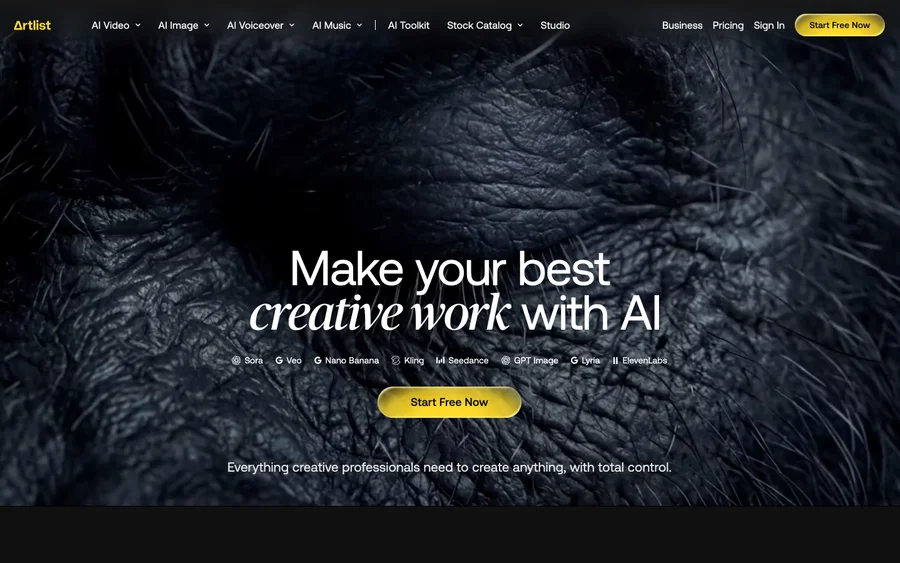

Artlist
Royalty-free music, SFX, 8K footage, templates, LUTs and 100+ AI models on a single subscription for video creators.
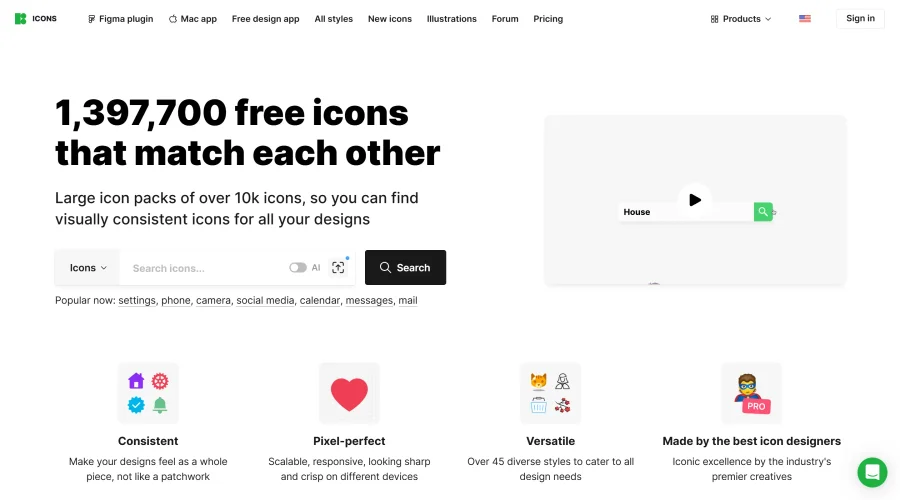

Icons8
Large icon packs featuring over 10,000 icons for consistent design themes.
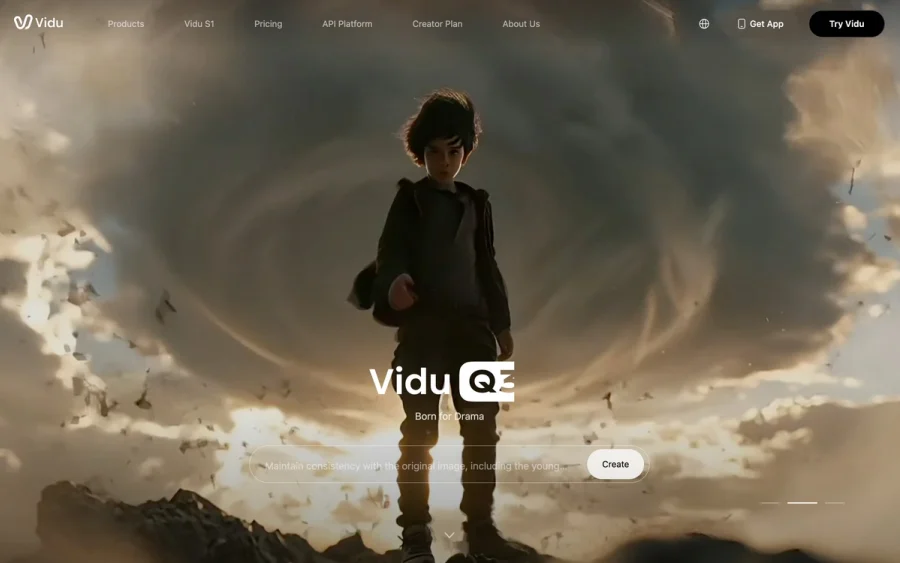

Vidu
AI video generator with text, image and reference-to-video modes, producing 3–16 second clips at up to 1080p with characters that stay consistent across shots.
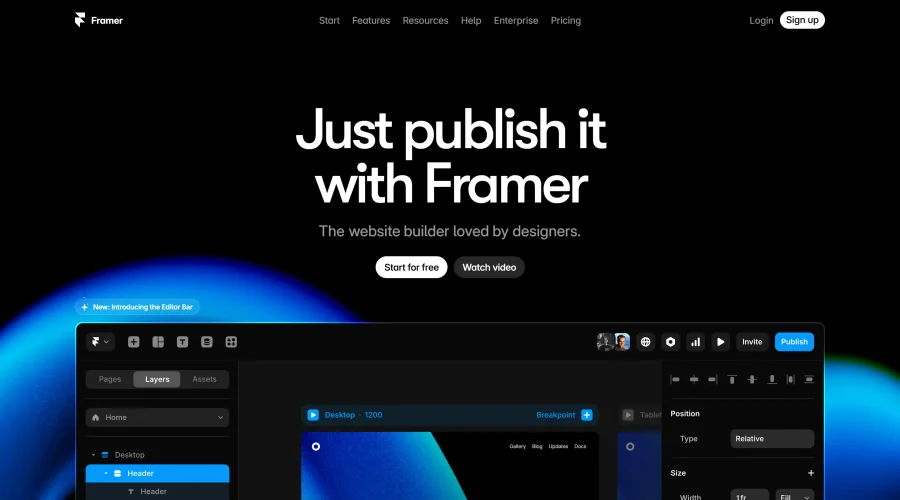

Framer
Design and launch your dream website with no coding required.
Continue Your Learning Journey
The design glossary is just the beginning. Explore more terms, discover tools, and level up your design skills.