
Onboarding Flow
A series of screens or steps specifically structured to introduce and teach users how to use key product features.
What is an Onboarding Flow in UX?
Onboarding flows are a series of carefully designed screens or steps aimed at introducing users to key features of a product or service. These flows are crucial in guiding users through their initial interactions, ensuring they quickly understand the product's value and reach their first "Aha moment." This moment is when users realize the true benefits of the product, often leading to increased engagement and retention.
Importance of Onboarding Flows
Onboarding flows are not just about teaching users how to use a product; they are about creating an engaging and intuitive experience from the start. A well-designed onboarding process helps users navigate complex interfaces, sets initial preferences, and highlights essential UI elements. This approach ensures that users can easily find what they need, reducing frustration and increasing the likelihood of continued use.
Types of Onboarding Flows
There are several types of onboarding flows, each tailored to different products and user personas:
- "Aha" Moment-Focused Flows: These quickly guide users to the core value of the product, demonstrating its ease of use and benefits.
- Interactive Onboarding: This involves using interactive elements like walkthroughs, tooltips, and pop-ups to engage users and make the experience more enjoyable.
Best Practices for Onboarding UX
To optimize onboarding flows, consider the following best practices:
- Personalization: Tailor the experience to individual user needs by collecting initial preferences or using welcome surveys.
- Gamification: Incorporate elements of gamification to make the process more engaging and fun.
- Clear Navigation: Use intuitive navigation patterns and concise microcopy to guide users smoothly through each step.
- Consistent Design: Ensure that the visual design is consistent with your brand and accessible for all users.
Benefits of Effective Onboarding
Effective onboarding flows can lead to several key benefits:
- Increased User Activation Rate: Users are more likely to perform key actions and reach the activation point faster.
- Higher User Engagement: By keeping things simple and engaging, users are less likely to get confused, leading to higher engagement rates.
- Increased Customer Lifetime Value: Personalized experiences can increase customer satisfaction, leading to higher retention rates and increased lifetime value.
- Positive Word of Mouth: A world-class onboarding experience encourages users to share their positive experiences with others.
Designing Onboarding Flows
To design effective onboarding flows, use tools like Figma or Sketch to create wireframes and interactive prototypes. This allows you to test the effectiveness of your onboarding flow, including elements like checklists, progress bars, and other interactive features. Testing is crucial to ensure that your onboarding process is seamless and engaging for users.
Conclusion
Onboarding flows are a vital part of any product's user experience, serving as the first impression for new users. By crafting these flows carefully and focusing on user engagement, retention, and satisfaction, businesses can significantly improve their overall user experience and conversion rates. Whether through personalized interactions or interactive tutorials, well-designed onboarding flows are essential for guiding users toward their "Aha moment" and beyond.
Explore Other Terms
A/B Testing (Split Testing)
ResearchComparing two versions of a design or feature to see which performs better.
Accessibility
UXDesigning products and interfaces usable by people with varying abilities (e.g., vision, motor, cognitive).
Accessibility Tree
UXA structure that assistive tech (like screen readers) uses to interpret and convey interface elements to users.
Adaptive Design
UICreating distinct layouts tailored for specific screen sizes rather than using one responsive layout.
Alignment
GraphicArranging elements so their edges or centers line up, promoting order and unity.
Aspect Ratio
UI / GraphicThe proportional relationship between width and height of an image or screen (e.g., 16:9).
Explore Design Tools
Discover tools that help you apply onboarding flow in your work.
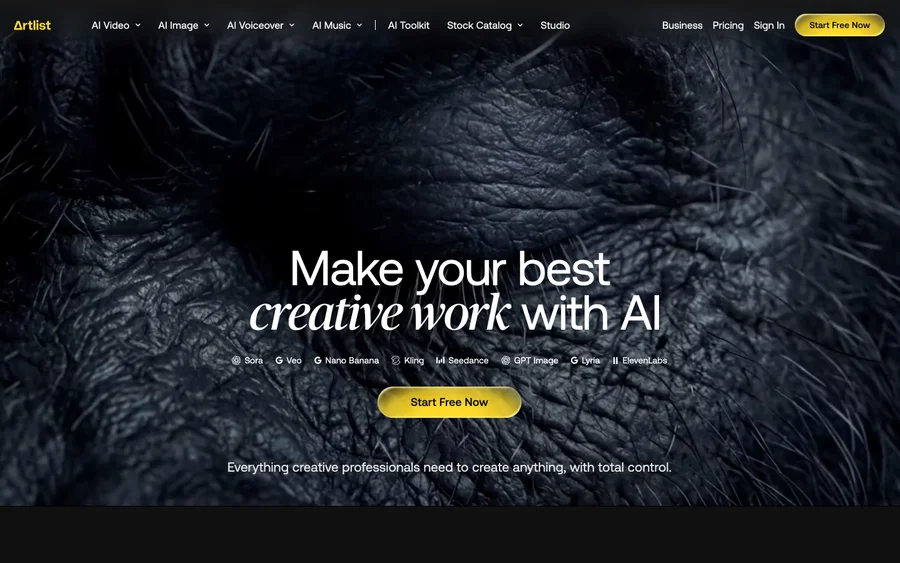

Artlist
Royalty-free music, SFX, 8K footage, templates, LUTs and 100+ AI models on a single subscription for video creators.
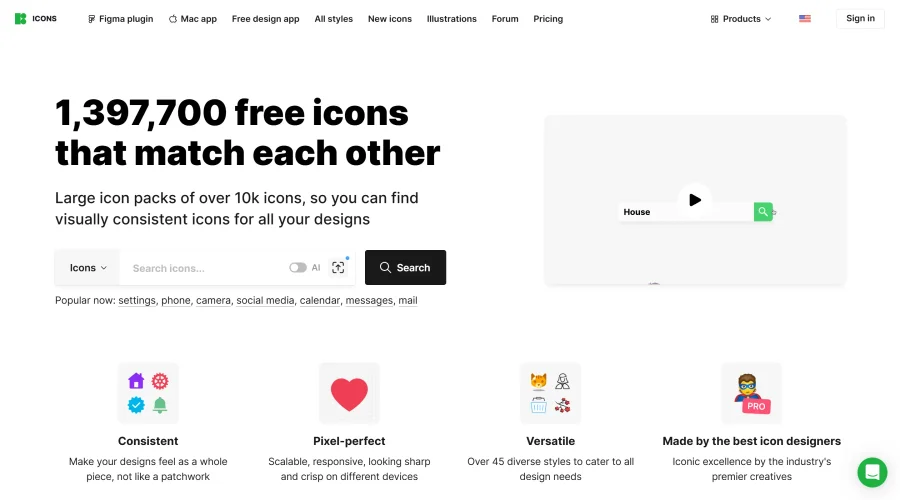

Icons8
Large icon packs featuring over 10,000 icons for consistent design themes.
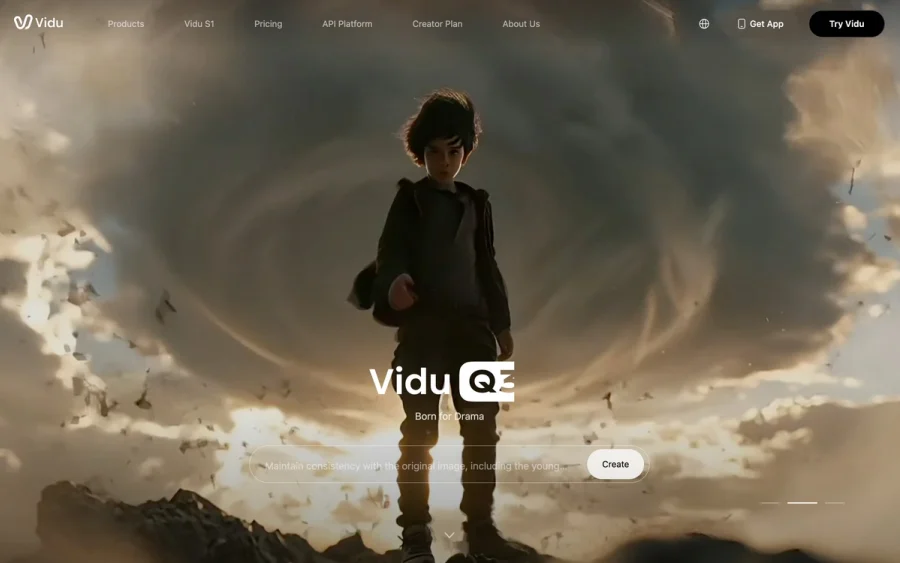

Vidu
AI video generator with text, image and reference-to-video modes, producing 3–16 second clips at up to 1080p with characters that stay consistent across shots.
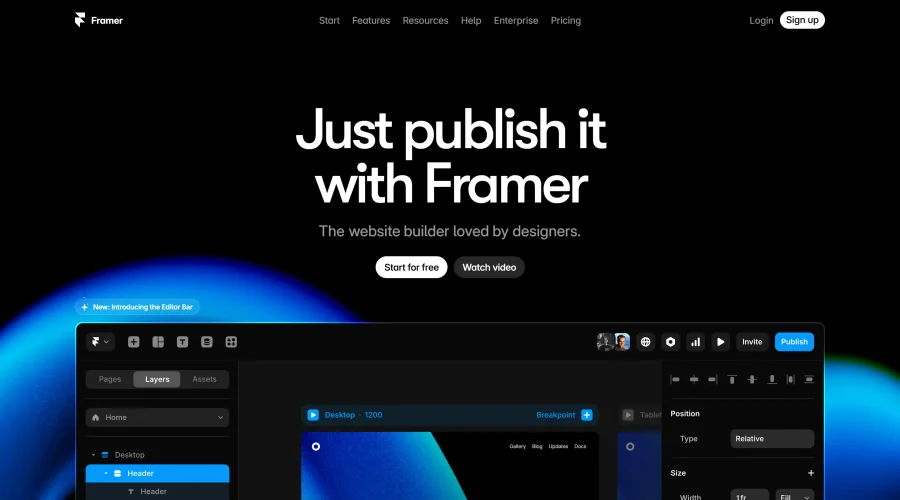

Framer
Design and launch your dream website with no coding required.
Continue Your Learning Journey
The design glossary is just the beginning. Explore more terms, discover tools, and level up your design skills.