
Paper Prototyping
Creating low-fidelity sketches on paper to quickly test and refine ideas before digital prototyping.
What is Paper Prototyping?
Paper prototyping is a fundamental technique in user-centered design, allowing designers to create low-fidelity sketches on paper to quickly test and refine ideas before moving to digital prototyping. This method is crucial for developing user interfaces and digital products, as it fosters collaboration, creativity, and cost-effective iteration. By using simple materials like paper and pens, designers can visualize user flows and map information architecture without the distractions of digital tools.
Benefits of Paper Prototyping
Paper prototyping offers several benefits, including:
- Speed and Cost-Effectiveness: It allows for rapid iteration and testing of ideas without investing in digital tools or coding.
- Collaboration: Encourages team involvement, ensuring that all stakeholders are aligned with the design objectives.
- User Feedback: Facilitates usability testing early in the design process, helping identify and fix usability issues before they become costly.
- Creativity: Fosters an environment where ideas can be freely explored and refined without the constraints of digital tools.
How Paper Prototyping Works
- Preparation: Gather basic materials such as paper, pens, markers, sticky notes, and scissors.
- Sketching Interfaces: Draw basic screens and key components of the design on separate pieces of paper.
- Simulating Interaction: Arrange sketches in sequence to represent user flows, simulating user interactions to gather feedback.
Digital Paper Prototyping
With the advent of digital tools like reMarkable and Apple Pencil, designers can now create paper prototypes digitally. This approach offers the benefits of traditional paper prototyping while allowing for remote collaboration, faster changes, and reduced environmental impact.
Applications of Paper Prototyping
Paper prototyping is widely used in UX/UI design for:
- Brainstorming: Encourages the generation and exploration of ideas within teams.
- Usability Testing: Helps identify usability issues early in the design process.
- Design Refinement: Allows for quick iterations based on user feedback.
Advantages Over Digital Prototyping
- Accessibility: Anyone can participate, regardless of their digital skills.
- Flexibility: Easy to modify and test different design concepts.
- Focus on Core Ideas: Avoids getting bogged down in superficial details like color or typography.
Common Misconceptions
Some believe paper prototyping is outdated or unnecessary once digital tools are available. However, its simplicity and speed make it an invaluable tool for early-stage conceptualization and idea validation.
Best Practices
- Keep It Simple: Focus on basic layouts and user flows rather than aesthetics.
- Iterate Rapidly: Use feedback to refine designs quickly.
- Involve Users Early: Conduct usability testing with real users to ensure the design meets user needs.
Tools and Resources
While traditional paper prototyping uses basic office supplies, digital tools can enhance collaboration and efficiency. Platforms like UXPin allow seamless transition from paper to digital prototypes, streamlining the design process.
Conclusion
Paper prototyping remains a vital tool in UX/UI design, offering a cost-effective, collaborative, and creative way to develop and refine design ideas. By embracing this low-fidelity approach, designers can ensure that their digital products meet user needs effectively and efficiently.
Explore Other Terms
A/B Testing (Split Testing)
ResearchComparing two versions of a design or feature to see which performs better.
Accessibility
UXDesigning products and interfaces usable by people with varying abilities (e.g., vision, motor, cognitive).
Accessibility Tree
UXA structure that assistive tech (like screen readers) uses to interpret and convey interface elements to users.
Adaptive Design
UICreating distinct layouts tailored for specific screen sizes rather than using one responsive layout.
Alignment
GraphicArranging elements so their edges or centers line up, promoting order and unity.
Aspect Ratio
UI / GraphicThe proportional relationship between width and height of an image or screen (e.g., 16:9).
Explore Design Tools
Discover tools that help you apply paper prototyping in your work.
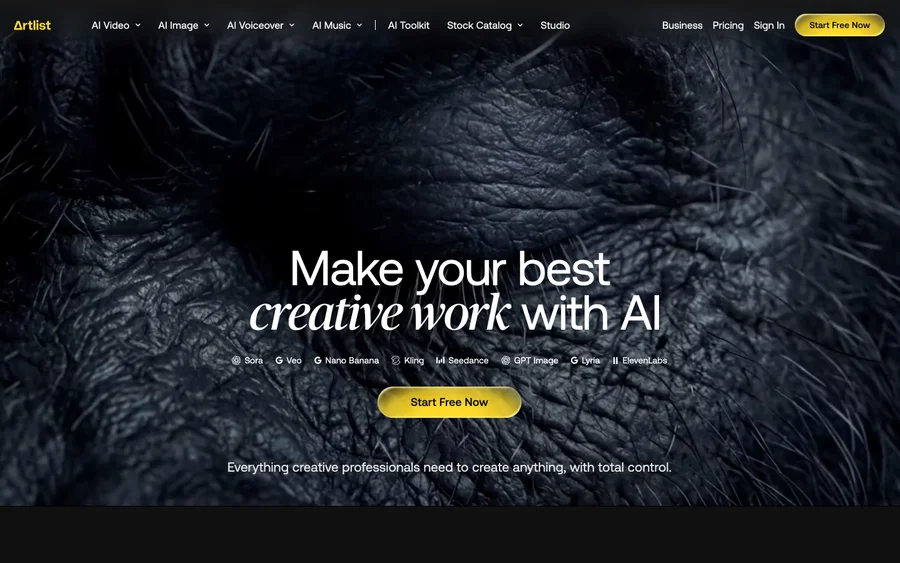

Artlist
Royalty-free music, SFX, 8K footage, templates, LUTs and 100+ AI models on a single subscription for video creators.
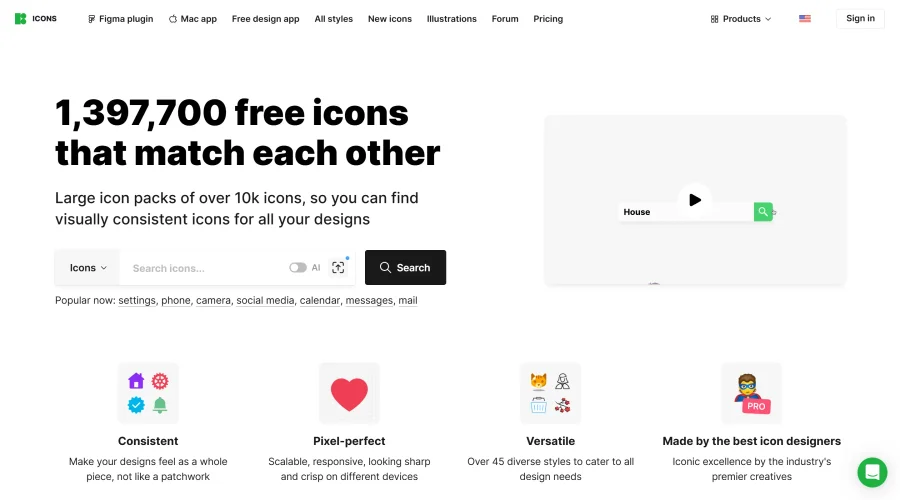

Icons8
Large icon packs featuring over 10,000 icons for consistent design themes.
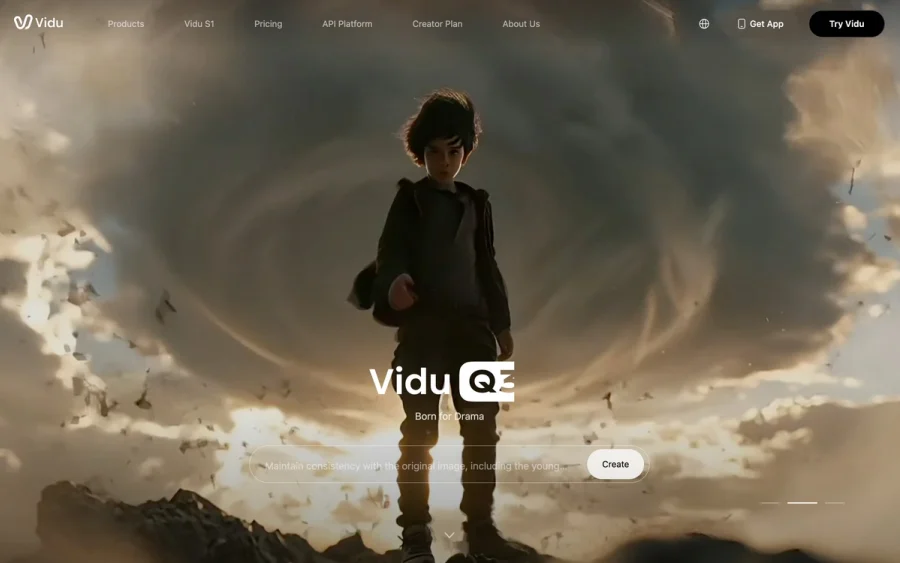

Vidu
AI video generator with text, image and reference-to-video modes, producing 3–16 second clips at up to 1080p with characters that stay consistent across shots.
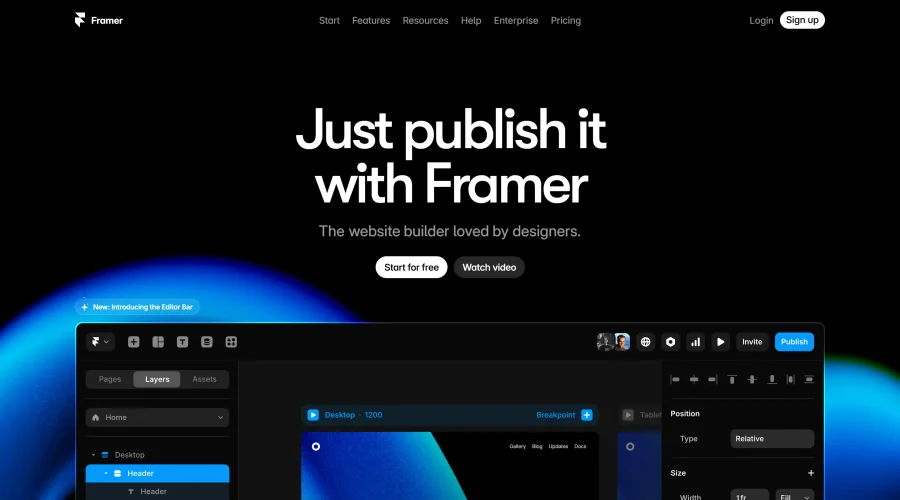

Framer
Design and launch your dream website with no coding required.
Continue Your Learning Journey
The design glossary is just the beginning. Explore more terms, discover tools, and level up your design skills.