
Minimum Desirable Product (MDP)
A product release that not only functions but also offers enough delight to satisfy early adopters.
What is a Minimum Desirable Product (MDP)?
The Minimum Desirable Product (MDP) is a strategic approach in product development that focuses on creating a product experience that not only meets user needs but also provides enough delight to satisfy early adopters. Unlike the Minimum Viable Product (MVP), which aims to test the viability of a product with minimal features, an MDP emphasizes delivering a satisfying user experience from the outset.
Key Differences from MVP
- User Experience: MDP prioritizes user satisfaction and delight, ensuring that the product is not just functional but also enjoyable to use.
- Feature Set: While an MVP includes only the minimum features necessary to solve a problem, an MDP incorporates more features and details to enhance user experience.
- Goals: The primary goal of an MDP is to deliver a high-value experience, whereas an MVP focuses on validating product viability.
Benefits of MDP
- Enhanced User Adoption: By focusing on user satisfaction, MDPs can lead to higher adoption rates among early users.
- Competitive Advantage: Offering a desirable product experience can differentiate a company from competitors in the market.
- Long-term Success: Building a product that users love can lead to long-term success and customer loyalty.
Challenges and Considerations
- Development Time: MDPs may require more time and resources compared to MVPs due to the additional features and focus on user experience.
- Balancing Features: It's crucial to strike a balance between providing a desirable experience and over-complicating the product with too many features.
Best Practices for Implementing MDP
- User Research: Conduct extensive user research to understand what makes a product desirable to users.
- Feedback Loops: Implement feedback mechanisms to continuously improve the product based on user input.
- Iterative Development: Adopt an iterative development process to refine the product over time.
Conclusion
The Minimum Desirable Product approach represents a shift towards user-centric product development, emphasizing not just functionality but also the overall user experience. By focusing on creating a satisfying and delightful product from the start, companies can achieve higher user engagement and long-term success in the market.
Explore Other Terms
A/B Testing (Split Testing)
ResearchComparing two versions of a design or feature to see which performs better.
Accessibility
UXDesigning products and interfaces usable by people with varying abilities (e.g., vision, motor, cognitive).
Accessibility Tree
UXA structure that assistive tech (like screen readers) uses to interpret and convey interface elements to users.
Adaptive Design
UICreating distinct layouts tailored for specific screen sizes rather than using one responsive layout.
Alignment
GraphicArranging elements so their edges or centers line up, promoting order and unity.
Aspect Ratio
UI / GraphicThe proportional relationship between width and height of an image or screen (e.g., 16:9).
Explore Design Tools
Discover tools that help you apply minimum desirable product (mdp) in your work.
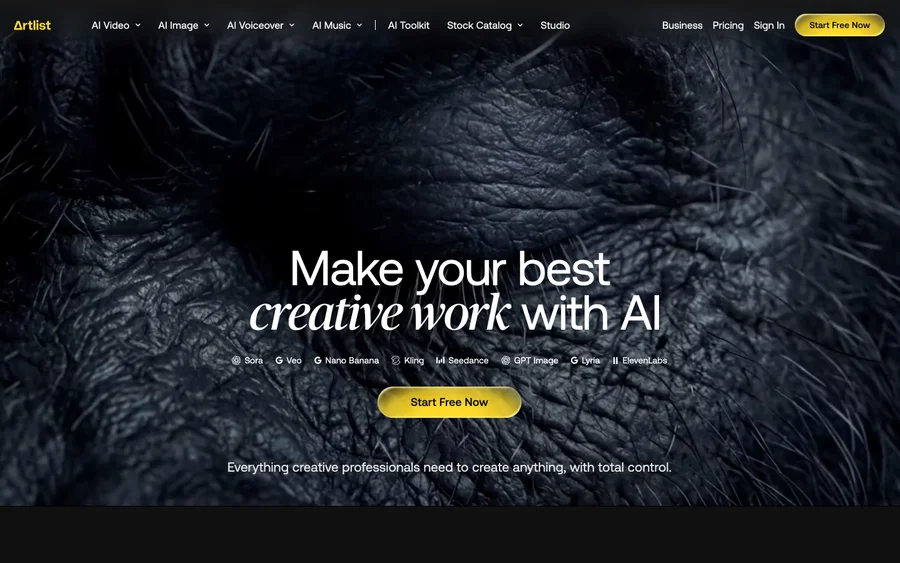

Artlist
Royalty-free music, SFX, 8K footage, templates, LUTs and 100+ AI models on a single subscription for video creators.
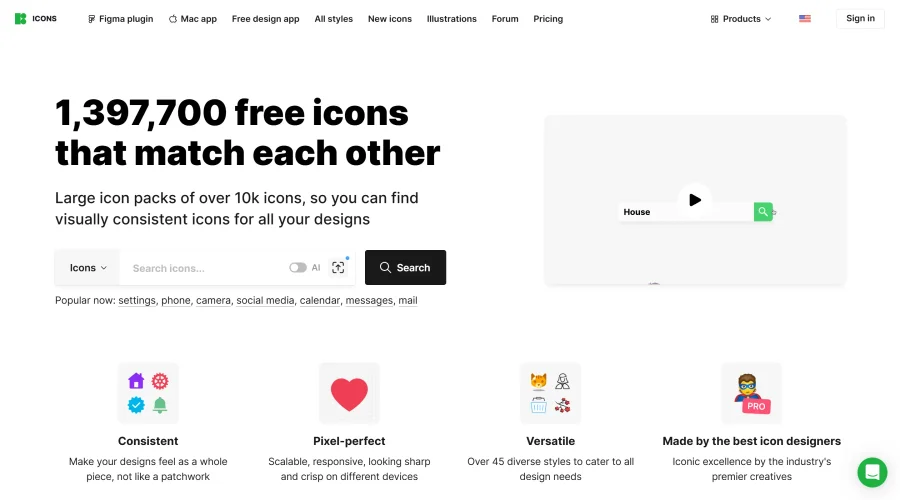

Icons8
Large icon packs featuring over 10,000 icons for consistent design themes.


Vidu
AI video generator with text, image and reference-to-video modes, producing 3–16 second clips at up to 1080p with characters that stay consistent across shots.
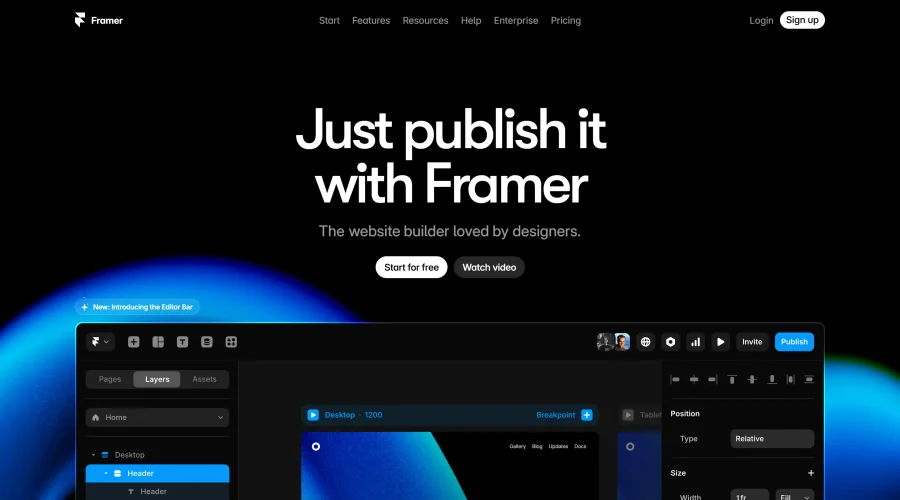

Framer
Design and launch your dream website with no coding required.
Continue Your Learning Journey
The design glossary is just the beginning. Explore more terms, discover tools, and level up your design skills.