
Mood Board
A collage of visuals (images, colors, fonts) that establish the style and emotional tone for a project.
What is a Mood Board in Graphic Design?
A mood board is a visual tool used in design to convey the style and emotional tone of a project through a curated collage of images, colors, and fonts. It helps designers communicate their vision effectively and ensures consistency in the creative process.
What is a Mood Board?
A mood board is essentially a visual representation that combines various elements such as photographs, colors, typography, and textures to evoke a specific mood or feeling. This tool is crucial in the early stages of a project as it helps designers define and refine their ideas.
Benefits of Using a Mood Board
- Clarifies Design Vision: Mood boards assist designers in crystallizing their ideas and communicating them clearly to clients or team members.
- Enhances Collaboration: By sharing a mood board, designers can ensure that everyone involved in the project is on the same page.
- Facilitates Inspiration: It serves as a source of inspiration, helping designers explore different styles and themes.
How to Create a Mood Board
Creating a mood board involves gathering visual elements that evoke the desired mood or style. This can be done physically using magazine cutouts or digitally using design software.
Digital Mood Boards
In today's digital age, mood boards are often created using software like Sketch or Canva. These tools allow for easy collaboration and sharing, making them ideal for remote teams.
Importance in UX/UI Design
In UX/UI design, mood boards are particularly useful as they help establish a consistent visual language and emotional tone that aligns with the user experience goals of the project.
Common Elements of a Mood Board
- Images: Photographs or illustrations that represent the project's theme or style.
- Colors: A palette that reflects the mood or atmosphere desired.
- Fonts: Typography that complements the overall aesthetic.
- Textures: Materials or patterns that add depth to the design.
Best Practices for Creating a Mood Board
- Keep it Simple: Ensure the board is visually appealing and not cluttered.
- Focus on the Mood: Prioritize elements that evoke the desired emotional response.
- Be Flexible: Be open to changes as the project evolves.
Tools for Creating a Mood Board
- Sketch: A popular tool for digital design that allows collaboration.
- Canva: A user-friendly platform for creating visual content.
- Pinterest: Often used for gathering inspiration and creating boards.
Conclusion
A mood board is a powerful tool for designers looking to define and communicate the style and emotional tone of a project. Whether used in UX/UI design, interior design, or any other creative field, it serves as a valuable reference point throughout the design process.
Explore Other Terms
A/B Testing (Split Testing)
ResearchComparing two versions of a design or feature to see which performs better.
Accessibility
UXDesigning products and interfaces usable by people with varying abilities (e.g., vision, motor, cognitive).
Accessibility Tree
UXA structure that assistive tech (like screen readers) uses to interpret and convey interface elements to users.
Adaptive Design
UICreating distinct layouts tailored for specific screen sizes rather than using one responsive layout.
Aspect Ratio
UI / GraphicThe proportional relationship between width and height of an image or screen (e.g., 16:9).
Atomic Design
UIA methodology breaking UIs into basic building blocks (atoms, molecules, organisms) for consistency and scalability.
Explore Design Tools
Discover tools that help you apply mood board in your work.
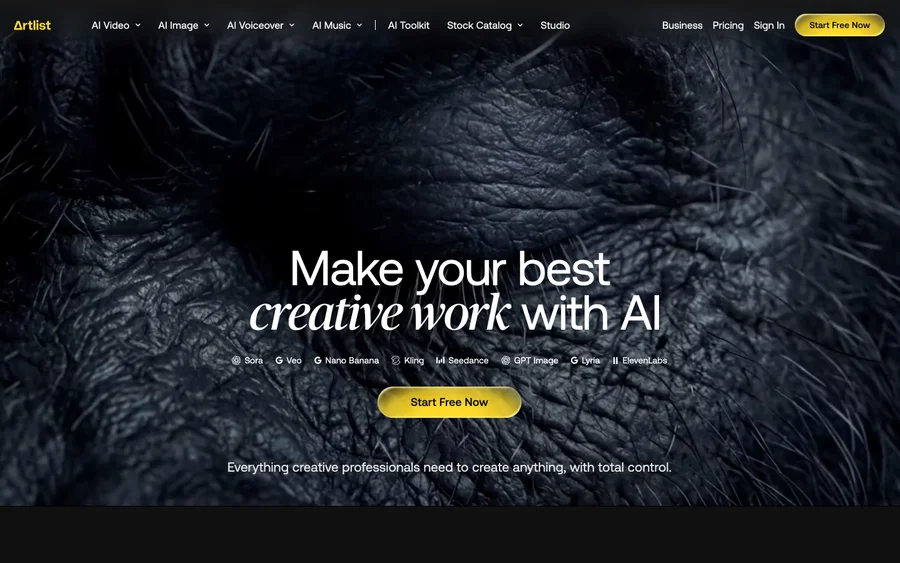
Artlist
Royalty-free music, SFX, 8K footage, templates, LUTs and 100+ AI models on a single subscription for video creators.
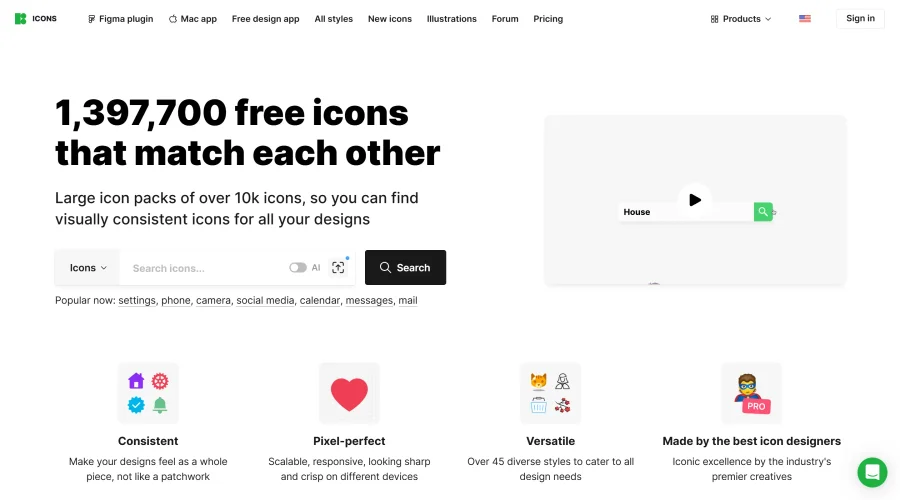

Icons8
Large icon packs featuring over 10,000 icons for consistent design themes.
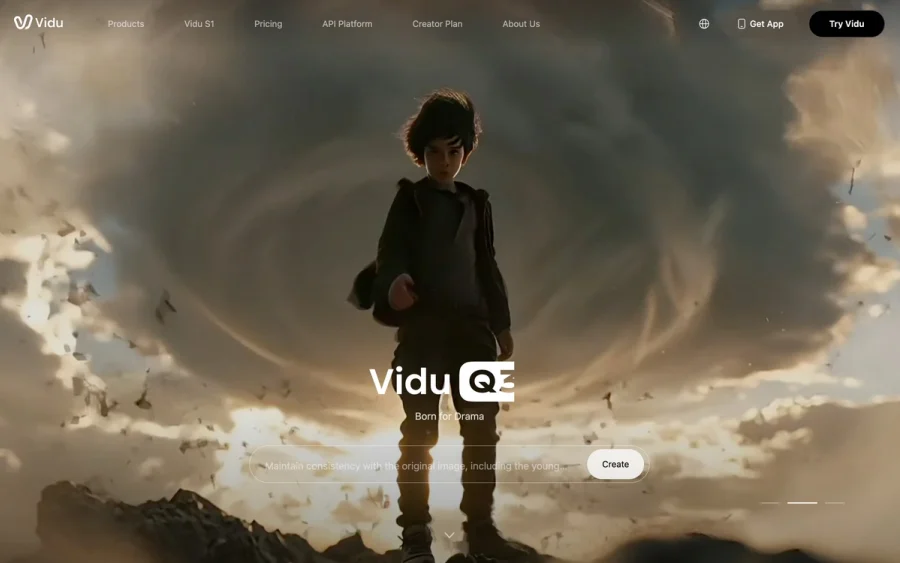

Vidu
AI video generator with text, image and reference-to-video modes, producing 3–16 second clips at up to 1080p with characters that stay consistent across shots.
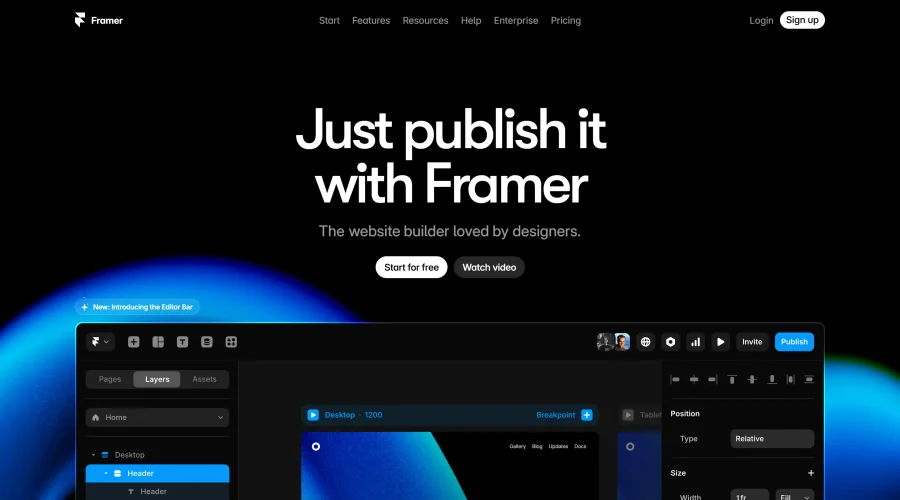
Framer
Design and launch your dream website with no coding required.
Continue Your Learning Journey
The design glossary is just the beginning. Explore more terms, discover tools, and level up your design skills.