
Microinteractions
Subtle, contained product moments (like a “like” button toggle) enhancing feedback and delight.
Whare are Microinteractions in UI Design?
Microinteractions are small, task-based interactions in digital products that enhance user experience by providing feedback and visual cues. They transform routine tasks into enjoyable moments, making products more intuitive and engaging. Examples include button animations or a "like" button toggle, which offer immediate feedback to users. These subtle interactions humanize the user experience, improve usability, and increase user satisfaction. By leveraging principles such as feedback and confirmation, microinteractions guide users through digital environments more effectively, reducing friction and enhancing overall product performance.
Key Components of Microinteractions
Microinteractions consist of four essential components: triggers, rules, feedback, and loops/modes. Triggers initiate the interaction, rules define its behavior, feedback provides visual or auditory cues, and loops/modes manage repeated interactions. This structure ensures that microinteractions are both functional and delightful.
Role in UX/UI Design
In UX/UI design, microinteractions play a crucial role in creating memorable user experiences. They can speed up product adoption by making interactions smoother and more intuitive. By providing real-time feedback, microinteractions prevent user errors and frustration, leading to higher user retention. They also contribute to a more enjoyable and engaging user journey, which is vital for differentiating products in a competitive market.
Examples and Best Practices
- Button Animations: A button changing color or animation when clicked provides immediate feedback.
- Loading Animations: Animations that show progress during loading times enhance user engagement.
- Swipe Gestures: Swiping to refresh content or navigate through a menu is a common microinteraction.
Best practices include focusing on simplicity and restraint, ensuring that each microinteraction serves a specific purpose and enhances the overall user experience.
The Psychology Behind Microinteractions
Microinteractions leverage psychological principles like feedback and confirmation to enhance user confidence. By infusing emotional value, they create a connection between the user and the product. This attention to detail improves perceived performance and makes the user experience more enjoyable.
Difference Between Micro and Macro Interactions
While microinteractions are small, single-purpose events, macro-interactions involve larger, more complex tasks or workflows. Understanding the distinction is crucial for designing effective user journeys.
Conclusion
Microinteractions are subtle yet powerful elements in digital design. They enhance usability, engagement, and overall user satisfaction, making them essential for creating superior UX/UI experiences. By incorporating well-designed microinteractions, products can stand out and provide memorable interactions that foster user loyalty.
Explore Other Terms
A/B Testing (Split Testing)
ResearchComparing two versions of a design or feature to see which performs better.
Accessibility
UXDesigning products and interfaces usable by people with varying abilities (e.g., vision, motor, cognitive).
Accessibility Tree
UXA structure that assistive tech (like screen readers) uses to interpret and convey interface elements to users.
Alignment
GraphicArranging elements so their edges or centers line up, promoting order and unity.
Aspect Ratio
UI / GraphicThe proportional relationship between width and height of an image or screen (e.g., 16:9).
Balance
GraphicThe visual distribution of elements in a layout; can be symmetrical, asymmetrical, or radial.
Explore Design Tools
Discover tools that help you apply microinteractions in your work.


Artlist
Royalty-free music, SFX, 8K footage, templates, LUTs and 100+ AI models on a single subscription for video creators.
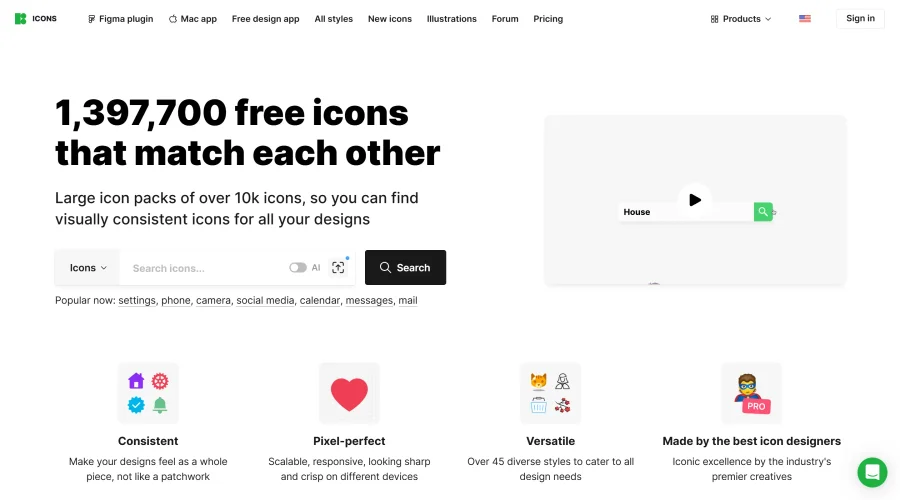

Icons8
Large icon packs featuring over 10,000 icons for consistent design themes.
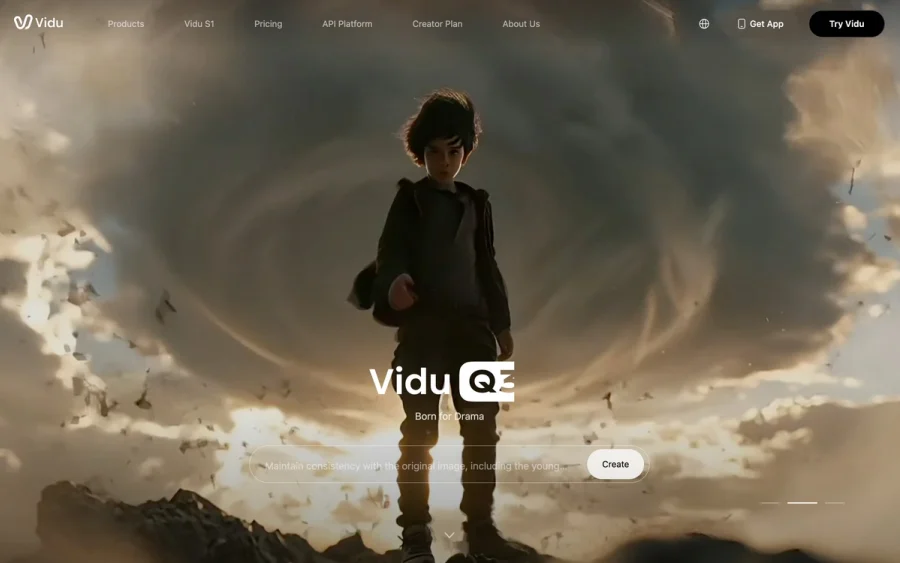

Vidu
AI video generator with text, image and reference-to-video modes, producing 3–16 second clips at up to 1080p with characters that stay consistent across shots.
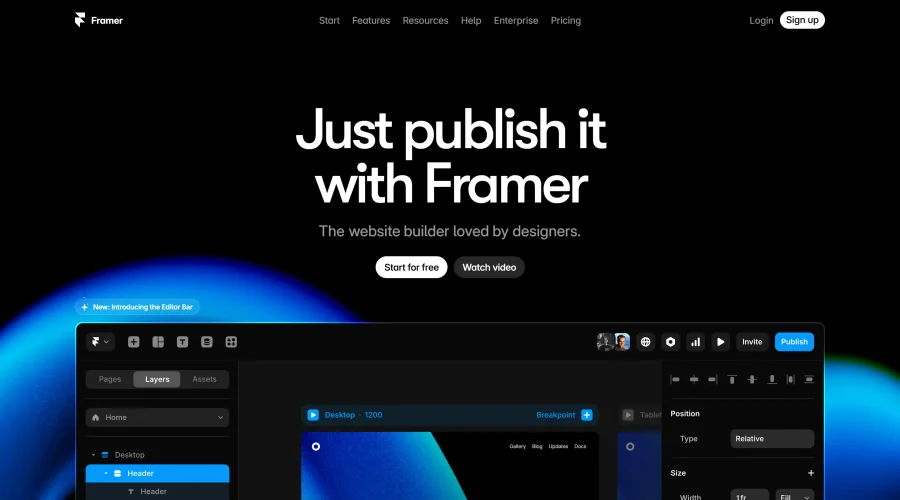

Framer
Design and launch your dream website with no coding required.
Continue Your Learning Journey
The design glossary is just the beginning. Explore more terms, discover tools, and level up your design skills.