
Brand Identity
The collection of visual and verbal elements (logo, color palette, voice) that convey a brand’s essence.
Brand Identity
Brand identity encompasses the visual and verbal elements that define a brand's essence, including its logo, color palette, and voice. It is crucial for establishing a consistent and recognizable presence across all platforms, enhancing user engagement and online visibility. In the context of UX/UI and design, a well-defined brand identity helps create a cohesive user experience by ensuring that every interaction with the brand aligns with its core values and mission.
Visual Elements
- Logo: The logo is a fundamental visual element that represents the brand's identity. It should be simple, memorable, and scalable for use across various mediums.
- Color Palette: A brand's color palette is a key visual identifier that evokes emotions and associations. Consistency in color usage helps reinforce the brand's image.
- Typography: The choice of typography can significantly influence the brand's personality and tone. Selecting fonts that align with the brand's values is essential.
Verbal Elements
- Voice and Tone: The brand's voice and tone are crucial for communication, conveying the brand's personality through language. Consistency in voice helps build trust and recognition.
- Language and Messaging: The language used should be aligned with the target audience and reflect the brand's core values and mission.
Importance in UX/UI and Design
In UX/UI and design, brand identity plays a pivotal role in creating a seamless user experience. It ensures that every element of the design, from the website to mobile apps, aligns with the brand's overall vision. This consistency fosters brand loyalty and enhances user engagement by providing a recognizable and trustworthy interface.
SEO Considerations
For SEO optimization, incorporating elements of brand identity into content and metadata is essential. This includes using relevant keywords related to the brand's essence in title tags, meta descriptions, and alt tags. Consistency in branding across all online platforms helps search engines recognize the brand's authority and relevance, potentially improving search rankings.
Benefits of Strong Brand Identity
A strong brand identity offers several benefits:
- Recognition and Loyalty: It helps in building a loyal customer base by providing a consistent and recognizable brand image.
- Differentiation: A well-defined brand identity differentiates the brand from competitors, making it more memorable and attractive.
- Emotional Connection: It fosters an emotional connection with the audience by conveying values and mission through visual and verbal elements.
Challenges in Brand Identity Development
Developing a brand identity can be challenging, especially when balancing consistency with creativity. It requires thorough research to understand the target audience and align the brand's elements with their expectations. Additionally, maintaining consistency across all platforms and communications is crucial for a strong brand image.
Brand Identity and SEO Strategy
Integrating brand identity into an SEO strategy involves several key steps:
- Keyword Research: Conducting keyword research to identify terms related to the brand's essence and incorporating them into content.
- Content Creation: Developing content that resonates with the target audience and aligns with the brand's voice and tone.
- Visual Content Optimization: Optimizing visual elements like images and videos with alt tags and descriptions that reflect the brand's identity.
- Consistency Across Platforms: Ensuring that the brand's visual and verbal elements are consistent across all online platforms, including social media and websites.
Case Studies and Examples
Several brands have successfully leveraged their brand identity to enhance SEO and user engagement. For instance, Nike uses its strong brand identity to create engaging content that resonates with its audience, while MINI emphasizes its unique personality through consistent visual and verbal elements.
Conclusion
Brand identity is a critical component of a brand's overall strategy, especially in the digital age. By integrating visual and verbal elements consistently across all platforms, brands can enhance user engagement, improve SEO, and establish a strong online presence. In the realm of UX/UI and design, a well-defined brand identity ensures that every interaction with the brand aligns with its core values, fostering loyalty and recognition.
Explore Other Terms
A/B Testing (Split Testing)
ResearchComparing two versions of a design or feature to see which performs better.
Accessibility
UXDesigning products and interfaces usable by people with varying abilities (e.g., vision, motor, cognitive).
Accessibility Tree
UXA structure that assistive tech (like screen readers) uses to interpret and convey interface elements to users.
Adaptive Design
UICreating distinct layouts tailored for specific screen sizes rather than using one responsive layout.
Aspect Ratio
UI / GraphicThe proportional relationship between width and height of an image or screen (e.g., 16:9).
Atomic Design
UIA methodology breaking UIs into basic building blocks (atoms, molecules, organisms) for consistency and scalability.
Explore Design Tools
Discover tools that help you apply brand identity in your work.

Artlist
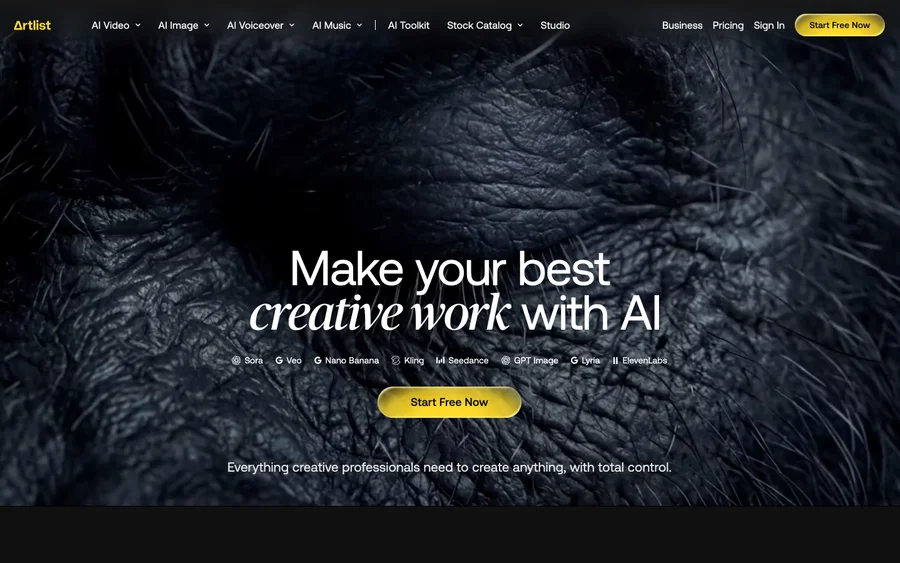
Royalty-free music, SFX, 8K footage, templates, LUTs and 100+ AI models on a single subscription for video creators.

Icons8
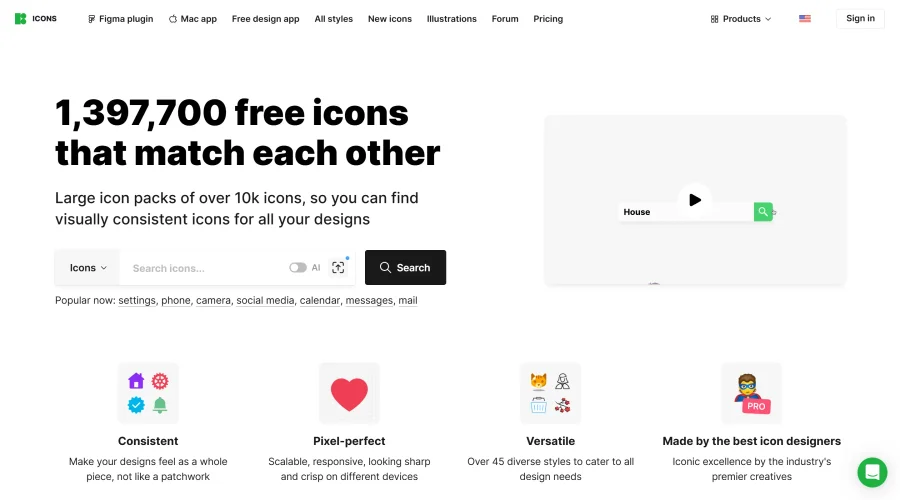
Large icon packs featuring over 10,000 icons for consistent design themes.


Vidu
AI video generator with text, image and reference-to-video modes, producing 3–16 second clips at up to 1080p with characters that stay consistent across shots.

Framer
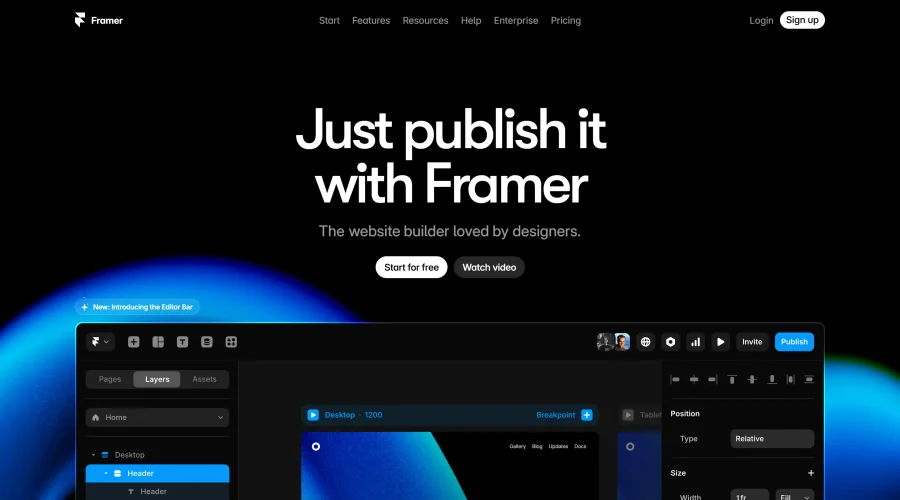
Design and launch your dream website with no coding required.
Continue Your Learning Journey
The design glossary is just the beginning. Explore more terms, discover tools, and level up your design skills.