
Repetition
Reusing the same or similar design elements (colors, shapes) to create unity and consistency.
What is Repetition in Design?
Repetition is a fundamental design principle that involves reusing the same or similar design elements throughout a composition to create a cohesive and consistent visual language. This principle is crucial in graphic design, UX/UI, and branding as it helps establish a recognizable style and fosters familiarity with the audience.
Importance of Repetition
Repetition is essential for several reasons:
- Unity and Consistency: By repeating elements like colors, shapes, and fonts, designers create a sense of unity and consistency, making the design more cohesive and easier to navigate.
- Familiarity and Brand Recognition: Consistent use of design elements helps build brand identity, making it more recognizable and memorable to users.
- Visual Hierarchy: Repetition aids in establishing a visual hierarchy, which guides the viewer's attention through the design by consistently using larger or bolder elements for important information.
Applications of Repetition
Repetition is applied in various design contexts:
- Branding: Consistent branding elements such as logos, color schemes, and typography are repeated across different platforms to reinforce brand identity.
- Magazines and Publications: Magazines maintain a consistent design style throughout each issue to create a familiar user experience.
- Web Design: Websites use repetition in navigation menus, headers, and footers to ensure a consistent user interface.
Benefits of Repetition
The benefits of repetition in design are multifaceted:
- Enhanced User Experience: Consistency in design elements improves navigation and comprehension, enhancing the overall user experience.
- Increased Brand Loyalty: Familiarity with repeated design elements fosters brand loyalty as users become accustomed to the brand's visual identity.
- Improved Design Efficiency: Using a consistent design language saves time and resources by streamlining the design process.
Best Practices for Implementing Repetition
To effectively use repetition in design:
- Select Core Elements: Choose a few key design elements such as colors, fonts, and shapes to repeat throughout the design.
- Apply Consistently: Ensure these elements are consistently applied across all platforms and materials.
- Balance with Variety: Introduce subtle variations to maintain visual interest while maintaining overall consistency.
Examples of Repetition in Design
Repetition is evident in various design examples:
- Infographics: Infographics often use consistent colors, fonts, and shapes to present information cohesively.
- Websites: Many websites repeat elements like logos, navigation bars, and button styles to maintain consistency across pages.
Conclusion
Repetition is a powerful tool in design that enhances unity, consistency, and brand recognition. By understanding and effectively applying this principle, designers can create more engaging, memorable, and user-friendly designs.
Explore Other Terms
A/B Testing (Split Testing)
ResearchComparing two versions of a design or feature to see which performs better.
Accessibility
UXDesigning products and interfaces usable by people with varying abilities (e.g., vision, motor, cognitive).
Accessibility Tree
UXA structure that assistive tech (like screen readers) uses to interpret and convey interface elements to users.
Adaptive Design
UICreating distinct layouts tailored for specific screen sizes rather than using one responsive layout.
Aspect Ratio
UI / GraphicThe proportional relationship between width and height of an image or screen (e.g., 16:9).
Atomic Design
UIA methodology breaking UIs into basic building blocks (atoms, molecules, organisms) for consistency and scalability.
Explore Design Tools
Discover tools that help you apply repetition in your work.
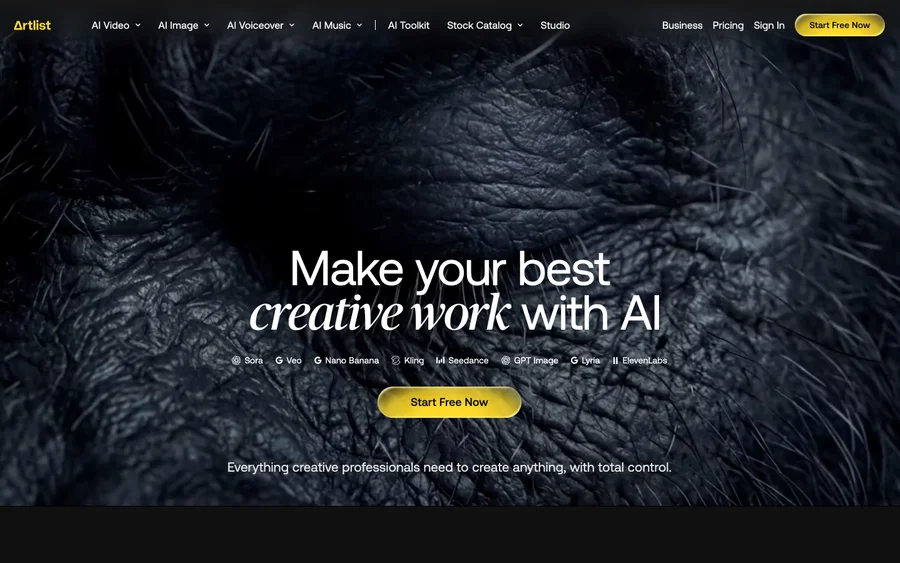

Artlist
Royalty-free music, SFX, 8K footage, templates, LUTs and 100+ AI models on a single subscription for video creators.
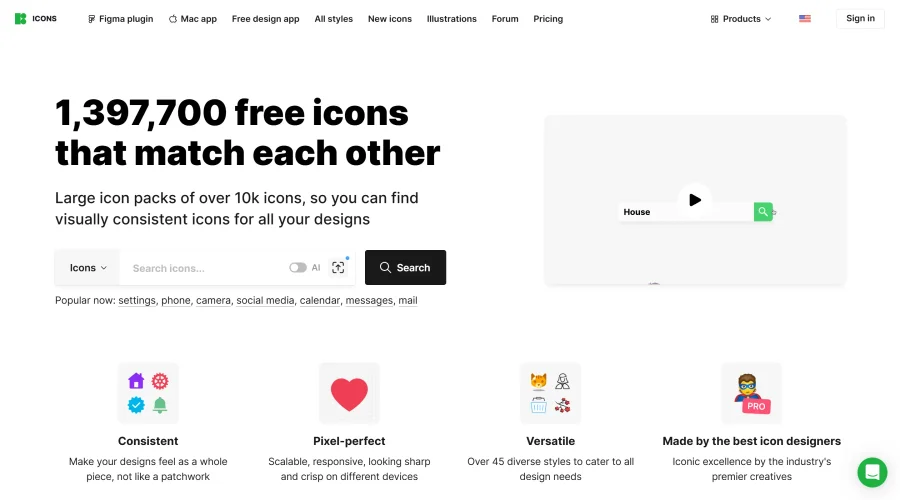

Icons8
Large icon packs featuring over 10,000 icons for consistent design themes.
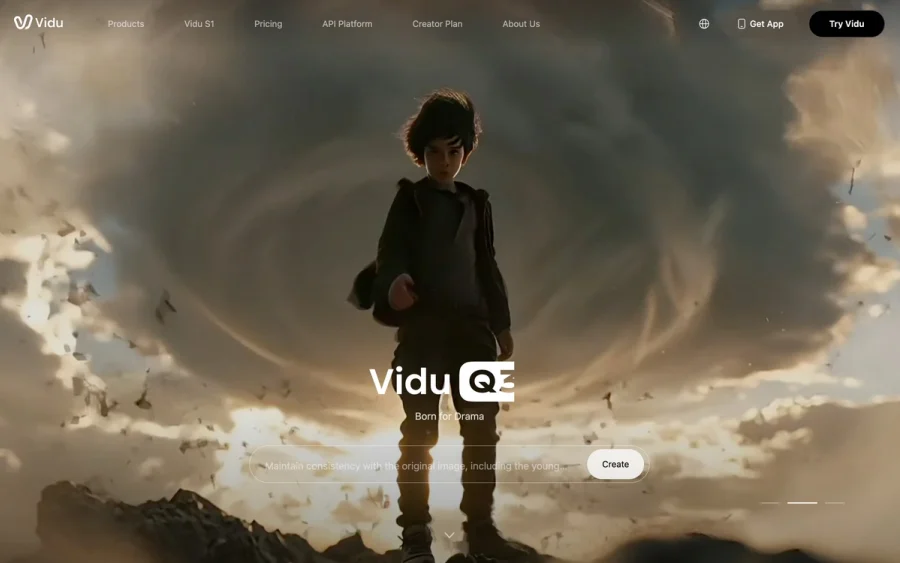

Vidu
AI video generator with text, image and reference-to-video modes, producing 3–16 second clips at up to 1080p with characters that stay consistent across shots.
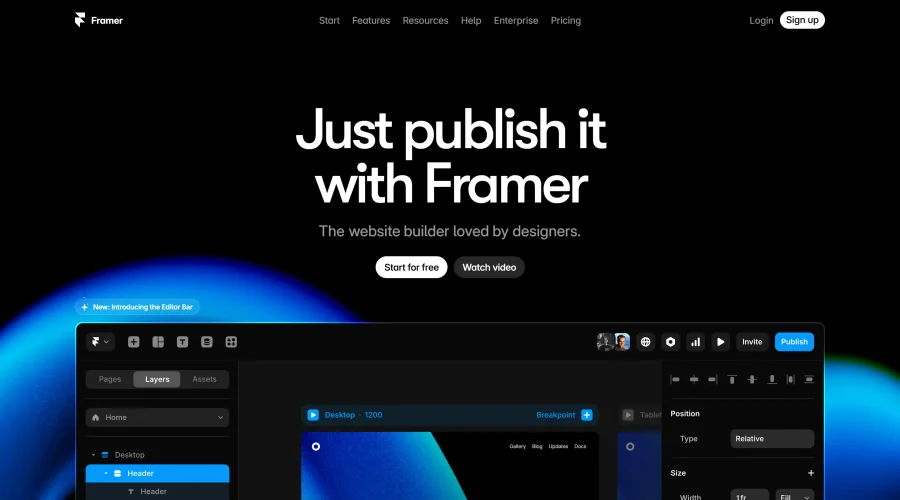

Framer
Design and launch your dream website with no coding required.
Continue Your Learning Journey
The design glossary is just the beginning. Explore more terms, discover tools, and level up your design skills.