
Raster
Pixel-based images (e.g., JPEG, PNG) which can lose quality when scaled up.
What is Raster in Graphic Design?
Raster images, also known as bitmap images, are a type of digital image composed of a grid of individual pixels. Each pixel contains color and brightness information, making them suitable for photographs and detailed graphics. However, raster images are resolution-dependent, meaning they can lose quality and exhibit pixelation when scaled up beyond their original dimensions. Common file formats for raster images include JPEG, PNG, GIF, and TIFF, each offering different compression methods and support for transparency and color depth.
Definition and Usage
Raster images are widely used in digital photography and design due to their ability to capture intricate details and color variations. They are created and edited using raster graphics software such as Adobe Photoshop. Despite their versatility, raster images have limitations, particularly in scalability compared to vector graphics, which maintain quality regardless of size.
Advantages and Limitations
The advantages of raster images include their ability to display complex textures and colors, making them ideal for high-resolution photographs and digital artwork. However, their resolution dependence means they are not suitable for designs that require frequent scaling, such as logos and illustrations, where vector graphics are preferred.
Optimization for Digital and Print Applications
To optimize raster images, designers should choose appropriate resolution settings, apply anti-aliasing techniques to reduce pixelation, and select the correct file format and compression settings. This ensures a balance between image quality and file size, which is crucial for both digital and print applications.
Common File Formats
- JPEG (Joint Photographic Experts Group): Ideal for photographs due to its efficient compression but may lose quality with repeated saves.
- PNG (Portable Network Graphics): Supports transparency and is often used for graphics that require a clear background.
- GIF (Graphics Interchange Format): Limited to 256 colors but useful for animations.
- TIFF (Tagged Image File Format): Offers high-quality images with minimal compression, making it suitable for professional printing.
Pixelation and Resolution
Pixelation occurs when a raster image is enlarged beyond its original resolution, causing individual pixels to become visible. This can be mitigated using anti-aliasing techniques or by increasing the image resolution before scaling.
Comparison with Vector Graphics
Vector graphics, unlike raster images, are composed of mathematical paths and shapes that maintain their quality regardless of scaling. They are ideal for logos, typography, and illustrations where crisp lines are essential.
Applications in Design
Raster images are integral in UX/UI design for creating realistic user interfaces, especially when incorporating photographs or complex graphics. However, for elements that require scalability, such as icons or logos, vector graphics are more appropriate.
Best Practices for Raster Images
- Use High Resolution: Ensure images are captured or created at a high resolution to minimize pixelation.
- Choose the Right Format: Select a file format that suits the intended use, such as JPEG for photos or PNG for transparent graphics.
- Optimize for Web: Compress images to reduce file size while maintaining acceptable quality for web applications.
Future of Raster Images
As technology advances, raster images continue to play a crucial role in digital design. With improvements in display resolution and image processing software, the limitations of raster images are being addressed, allowing for higher quality and more efficient use across various platforms.
Conclusion
Raster images remain a vital component of digital design, offering unparalleled detail and color depth. By understanding their strengths and weaknesses, designers can effectively utilize raster images in their projects, ensuring high-quality visuals that enhance user experience.
Explore Other Terms
A/B Testing (Split Testing)
ResearchComparing two versions of a design or feature to see which performs better.
Accessibility
UXDesigning products and interfaces usable by people with varying abilities (e.g., vision, motor, cognitive).
Accessibility Tree
UXA structure that assistive tech (like screen readers) uses to interpret and convey interface elements to users.
Adaptive Design
UICreating distinct layouts tailored for specific screen sizes rather than using one responsive layout.
Aspect Ratio
UI / GraphicThe proportional relationship between width and height of an image or screen (e.g., 16:9).
Atomic Design
UIA methodology breaking UIs into basic building blocks (atoms, molecules, organisms) for consistency and scalability.
Explore Design Tools
Discover tools that help you apply raster in your work.
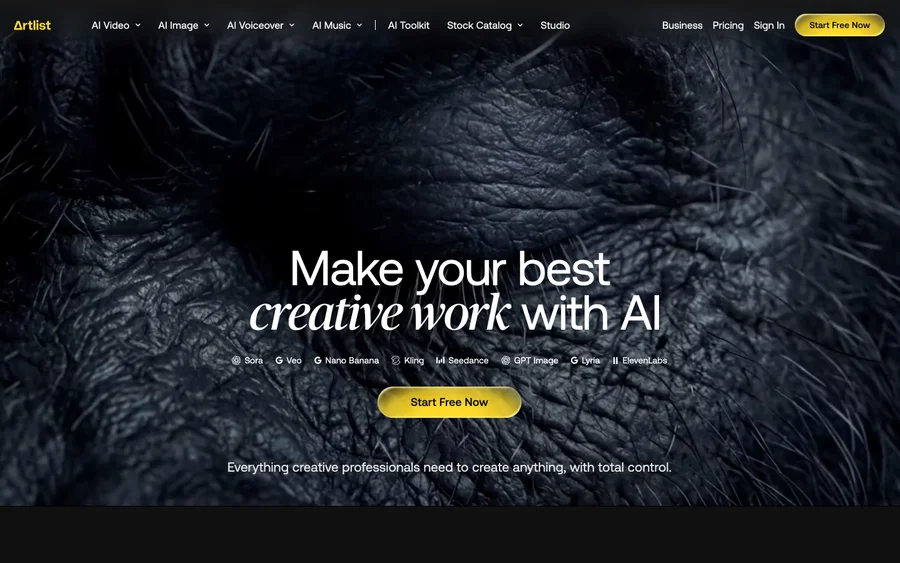

Artlist
Royalty-free music, SFX, 8K footage, templates, LUTs and 100+ AI models on a single subscription for video creators.
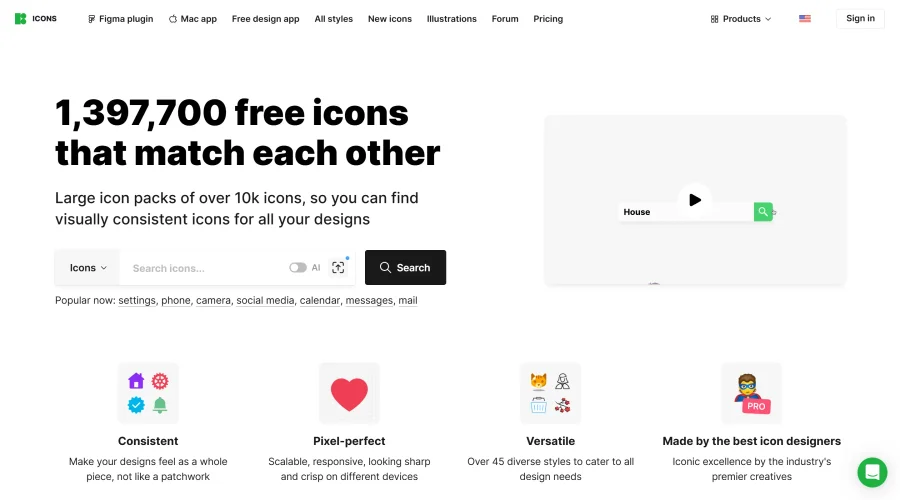

Icons8
Large icon packs featuring over 10,000 icons for consistent design themes.
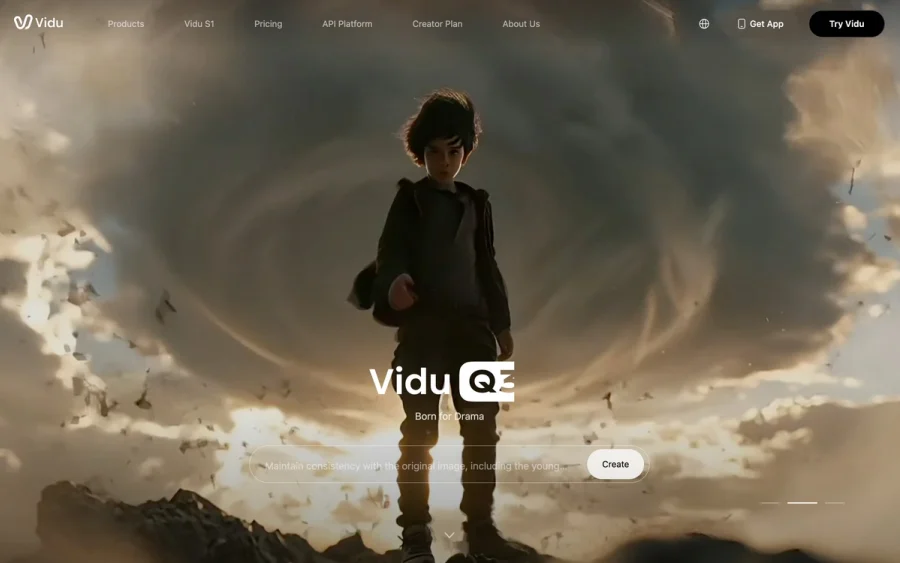

Vidu
AI video generator with text, image and reference-to-video modes, producing 3–16 second clips at up to 1080p with characters that stay consistent across shots.
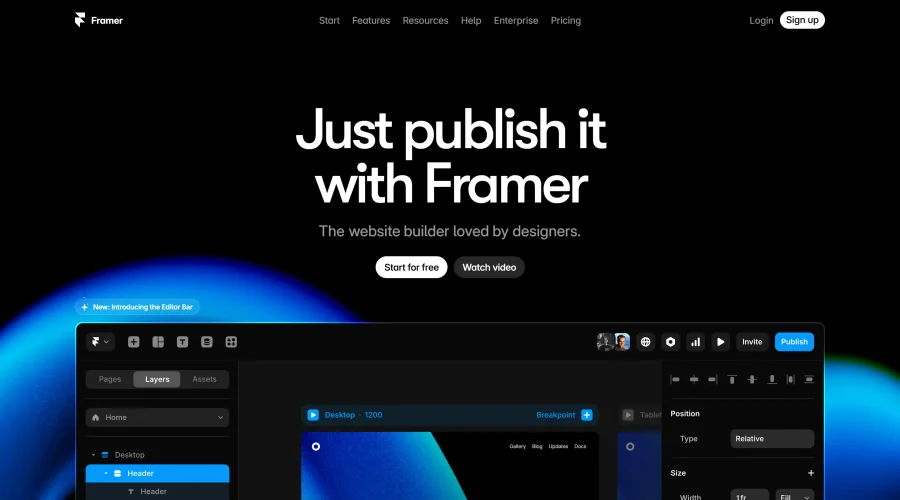

Framer
Design and launch your dream website with no coding required.
Continue Your Learning Journey
The design glossary is just the beginning. Explore more terms, discover tools, and level up your design skills.