

Insights into how color contrast impacts those with visual impairments.
What it costs
- Free tier
- Yes
Free, open-source color-contrast accessibility tool; supported by optional GitHub Sponsors.
Auto-checked on 8 August 2026Source
About Who Can Use
What Is Who Can Use?
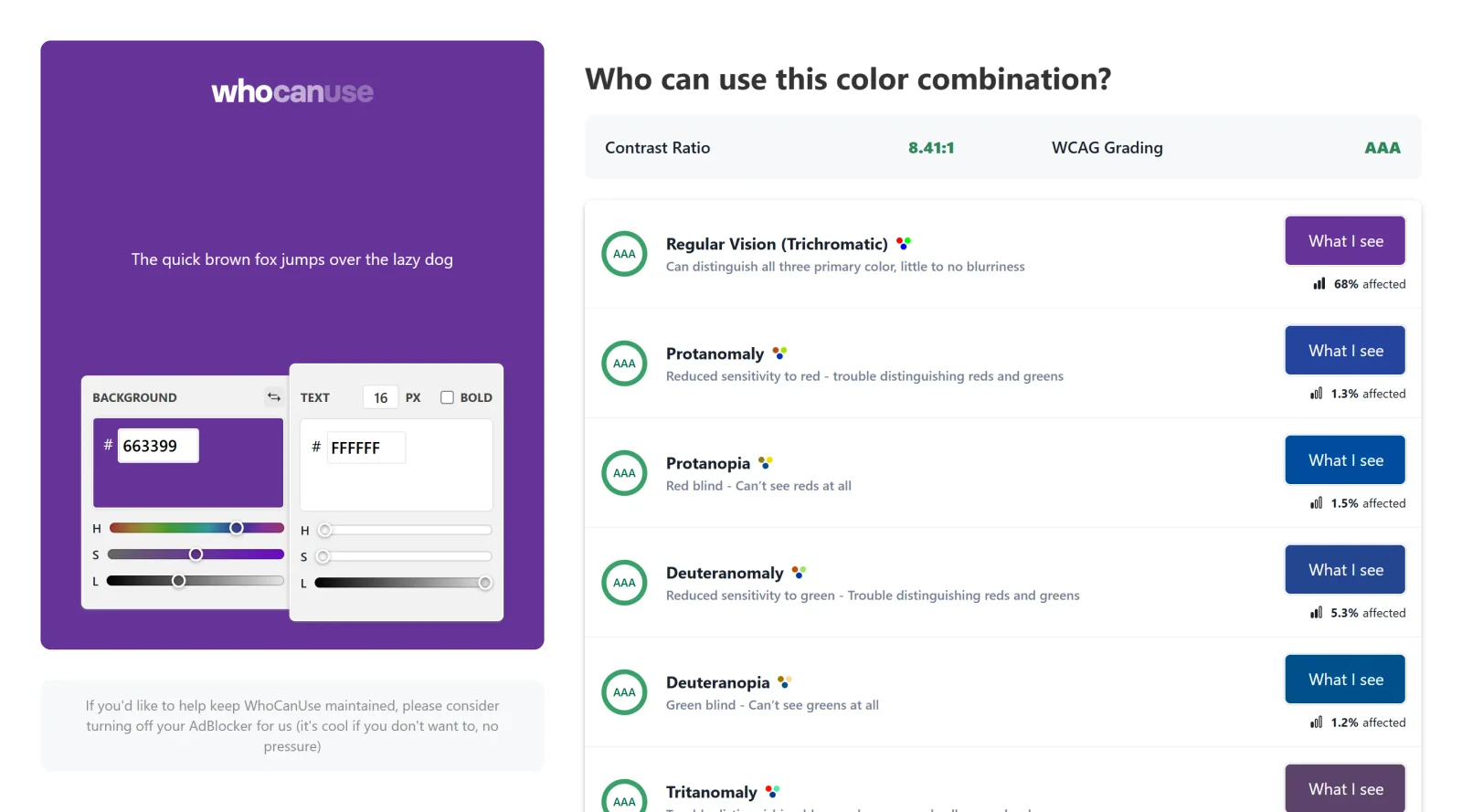
Who Can Use is a free accessibility tool that provides insights into how color contrast impacts those with visual impairments. It fits within the accessibility category of design tools, enabling designers and developers to evaluate color combinations during the UI design and development workflow. By simulating various visual conditions, Who Can Use helps ensure digital interfaces meet contrast requirements for broader usability.
What Who Can Use Does
- Simulates color contrast visibility under conditions like color blindness and low vision.
- Displays real-time previews of text and UI elements as perceived by users with visual impairments.
- Calculates contrast ratios between foreground and background colors based on standard guidelines.
- Offers adjustable sliders to test different color pairs and their accessibility impact.
- Provides visual representations of common visual impairments such as deuteranomaly and protanomaly.
- Supports quick checks for compliance with WCAG contrast standards.
How Who Can Use Can Be Used
- During initial UI design, designers input brand colors to verify readability for users with visual impairments before finalizing palettes.
- In web development workflows, developers test button text, links, and form elements to identify low-contrast issues early.
- For mobile app prototyping, teams simulate low-light or high-glare scenarios affecting color perception.
- When auditing existing websites, accessibility specialists scan multiple pages to flag non-compliant color schemes.
- In collaborative design reviews, teams share Who Can Use previews to discuss and adjust colors for inclusive design.
Who Is Who Can Use For?
Who Can Use serves UI/UX designers, front-end developers, and accessibility specialists working on websites, applications, and digital products requiring visual impairment considerations. It suits projects bound by WCAG guidelines or ADA compliance, particularly for teams at beginner to intermediate levels focusing on color accessibility in their design process. Visit Who Can Use
Featured Tools
Sponsored
Artlist
Royalty-free music, SFX, 8K footage, templates, LUTs and 100+ AI models on a single subscription for video creators.

Icons8
Large icon packs featuring over 10,000 icons for consistent design themes.

Vidu
AI video generator with text, image and reference-to-video modes, producing 3–16 second clips at up to 1080p with characters that stay consistent across shots.
Your tool here
The tools above are our own picks until the slots sell.
Spotlight
SponsoredRotates daily
HyNote
Records and transcribes interviews and meetings, then turns them into summaries and action items.
More Accesibility Tools
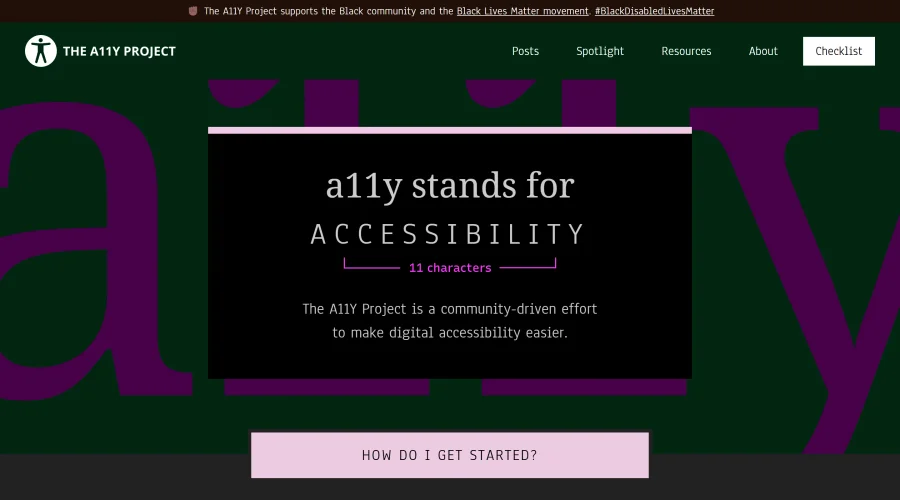

A11Y Project
A community-led initiative to simplify digital accessibility.
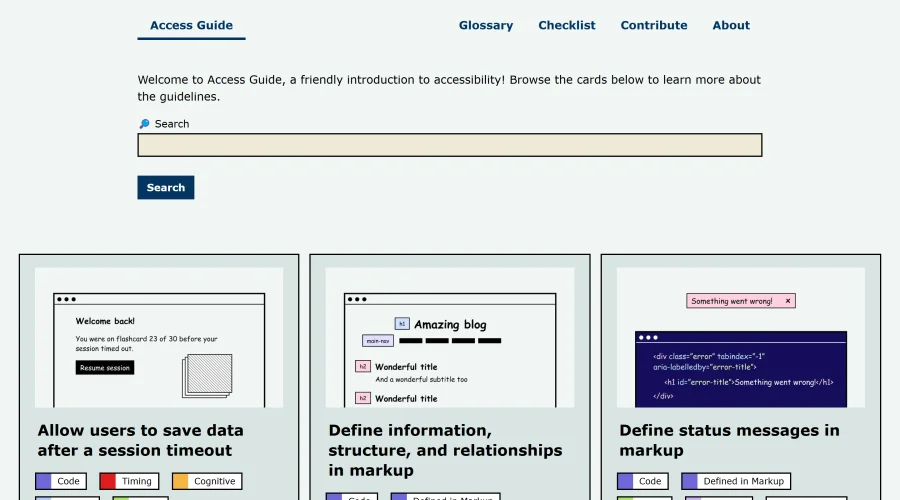
Access Guide
An easy-to-understand introduction to digital accessibility.
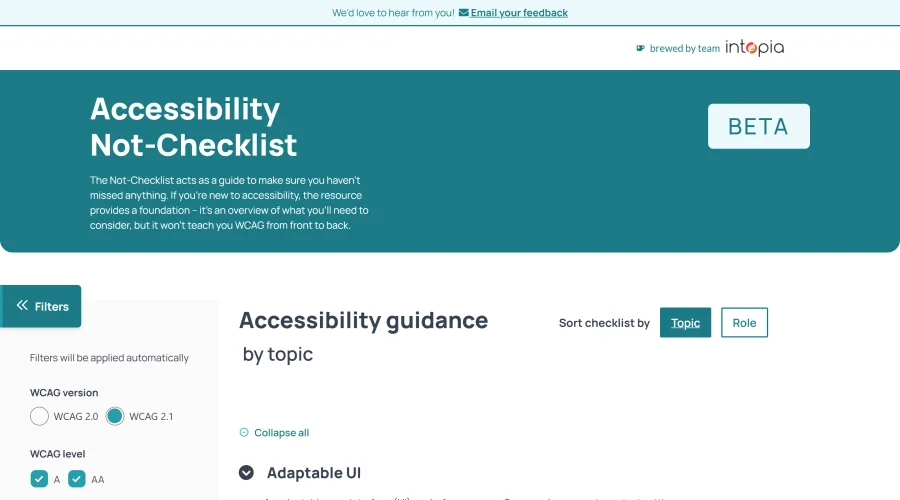

Accessibility Not-Checklist
Comprehensive guide to ensure accessibility in design projects.
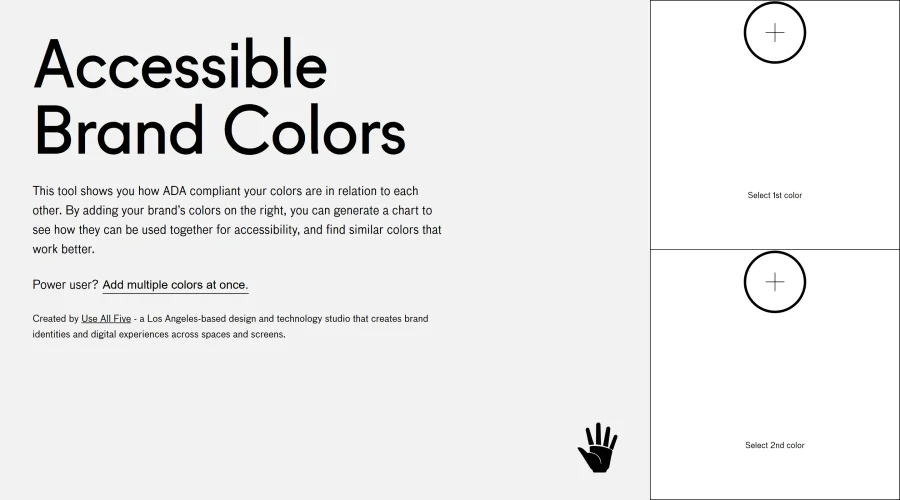

Accessible Brand Colors
A tool assessing ADA compliance of color contrasts.
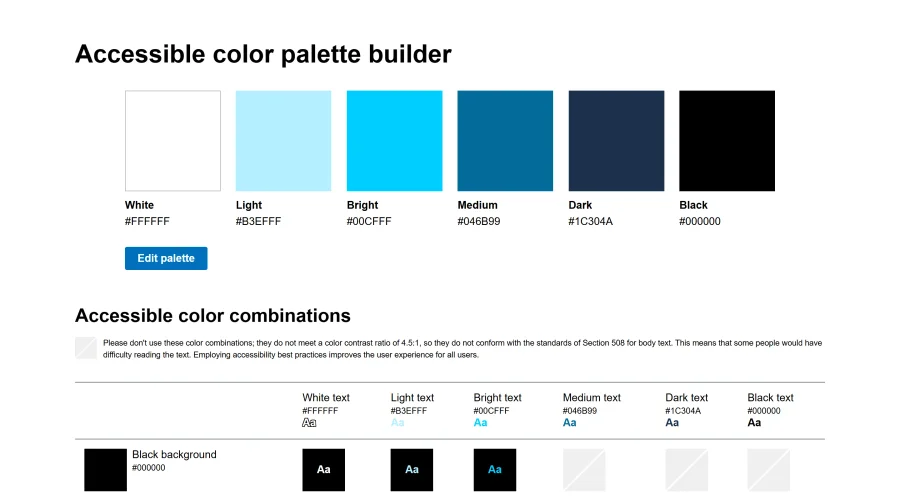

Accessible Color Matrix
A design tool for creating color palettes that meet accessibility standards.
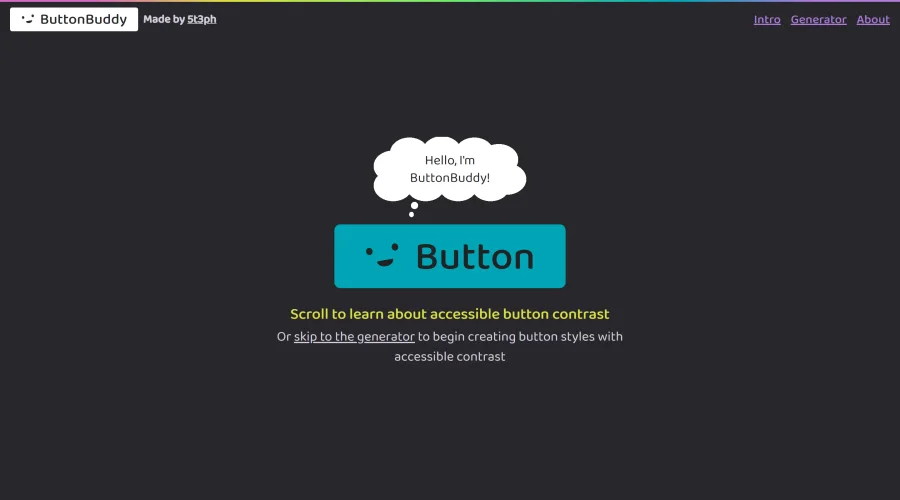

Button Buddy
Solutions for ensuring accessible contrast in button designs.
Explore Other Categories
Discover more design resources
New to Design?
Explore our comprehensive design glossary to master essential terminology from A/B Testing to Wireframes.
Browse GlossaryLooking for something specific?
Search through our entire collection of design tools and resources