
Design Thinking
An iterative, user-centric approach to problem-solving that emphasizes empathy, ideation, and experimentation.
What is Design Thinking?
Design thinking is an iterative and user-centric approach to problem-solving, emphasizing empathy, ideation, and experimentation. It is a mindset and methodology that fosters innovation by focusing on understanding users' needs and creating solutions that are both novel and useful.
Key Elements of Design Thinking
- Empathy: Understanding the needs and perspectives of users.
- Ideation: Generating a wide range of potential solutions.
- Experimentation: Prototyping and testing solutions to refine them.
Design thinking involves a process that encourages creativity and collaboration. It starts with understanding the problem through empathy, then moves to ideation where diverse solutions are proposed. The next step involves prototyping and testing these solutions to ensure they meet user needs effectively.
Benefits of Design Thinking
- Innovation: Encourages the creation of novel and impactful solutions.
- User-Centricity: Ensures that solutions are relevant and usable.
- Iterative Process: Allows for continuous improvement through feedback and testing.
By applying design thinking, businesses and organizations can develop products and services that are more likely to succeed in the market. It is widely used in UX/UI design to enhance user experience and satisfaction.
Application in UX/UI Design
Design thinking is crucial in UX/UI design as it helps designers create interfaces that are intuitive, user-friendly, and meet the needs of the target audience. By incorporating empathy and feedback into the design process, designers can ensure that their products are both functional and appealing.
Steps in the Design Thinking Process
- Empathize: Understand the problem by gaining insights into users' needs and behaviors.
- Define: Clearly articulate the problem based on user insights.
- Ideate: Generate a variety of potential solutions.
- Prototype: Create tangible prototypes of solutions.
- Test: Evaluate and refine solutions based on user feedback.
Each step in the design thinking process is iterative, allowing for continuous improvement and refinement.
Tools and Techniques in Design Thinking
- Mind Mapping: Visualizing ideas and concepts.
- User Interviews: Gathering insights directly from users.
- Prototyping Tools: Software and materials used to create prototypes.
These tools help facilitate the design thinking process, ensuring that solutions are well-thought-out and effective.
Challenges and Opportunities
While design thinking offers numerous benefits, it can be challenging to implement, especially in traditional or rigid organizational structures. However, it provides opportunities for innovation and growth, making it a valuable approach for businesses looking to stay competitive.
Real-World Applications of Design Thinking
Design thinking has been applied across various industries, from technology to healthcare, to create innovative products and services. It is used by companies like IDEO and Airbnb to develop solutions that meet user needs effectively.
Conclusion
Design thinking is a powerful methodology for solving complex problems in a user-centric manner. By emphasizing empathy, creativity, and experimentation, it enables organizations to develop innovative solutions that are both novel and useful. As a key component of UX/UI design, design thinking continues to shape how products and services are developed to enhance user experience and satisfaction.
Explore Other Terms
A/B Testing (Split Testing)
ResearchComparing two versions of a design or feature to see which performs better.
Accessibility
UXDesigning products and interfaces usable by people with varying abilities (e.g., vision, motor, cognitive).
Accessibility Tree
UXA structure that assistive tech (like screen readers) uses to interpret and convey interface elements to users.
Adaptive Design
UICreating distinct layouts tailored for specific screen sizes rather than using one responsive layout.
Alignment
GraphicArranging elements so their edges or centers line up, promoting order and unity.
Aspect Ratio
UI / GraphicThe proportional relationship between width and height of an image or screen (e.g., 16:9).
Explore Design Tools
Discover tools that help you apply design thinking in your work.
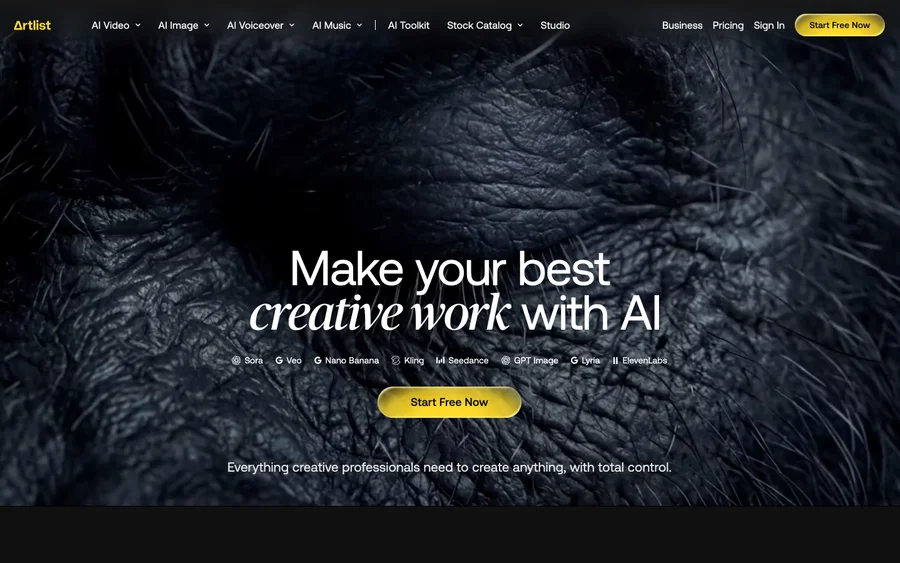

Artlist
Royalty-free music, SFX, 8K footage, templates, LUTs and 100+ AI models on a single subscription for video creators.
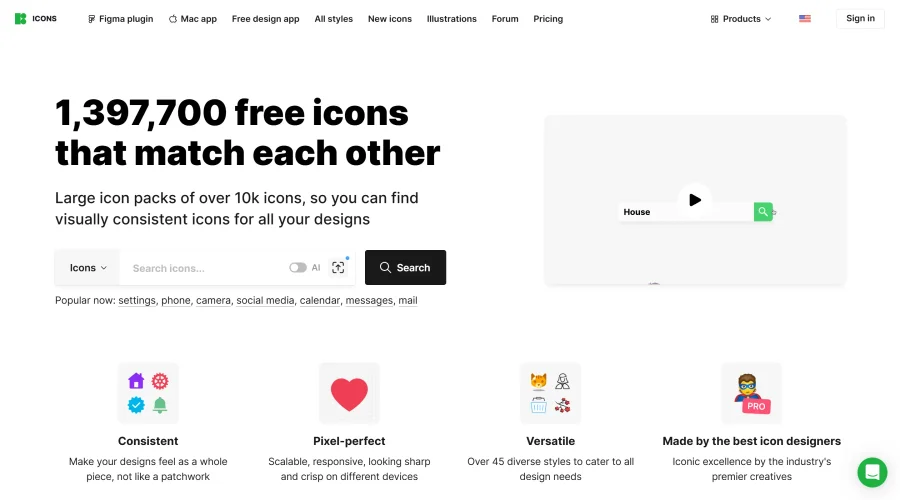

Icons8
Large icon packs featuring over 10,000 icons for consistent design themes.
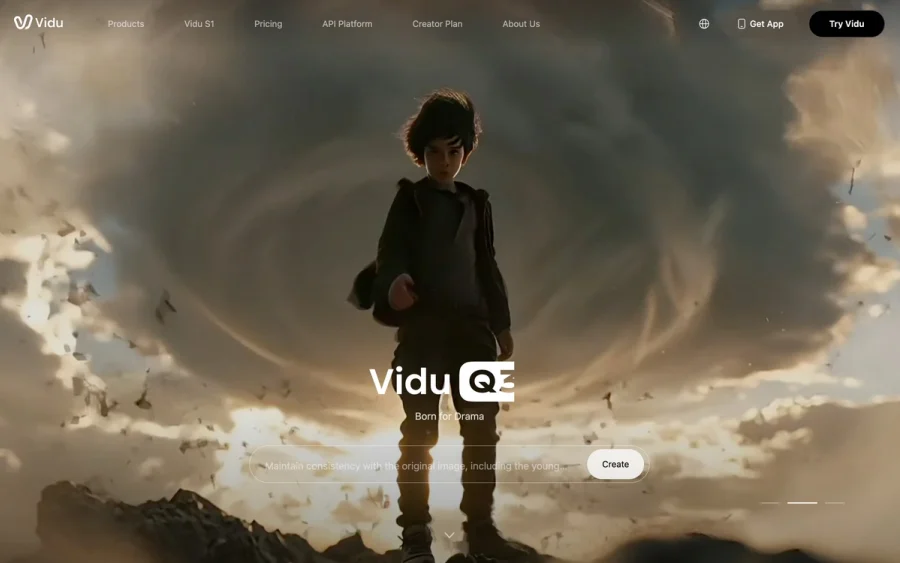

Vidu
AI video generator with text, image and reference-to-video modes, producing 3–16 second clips at up to 1080p with characters that stay consistent across shots.
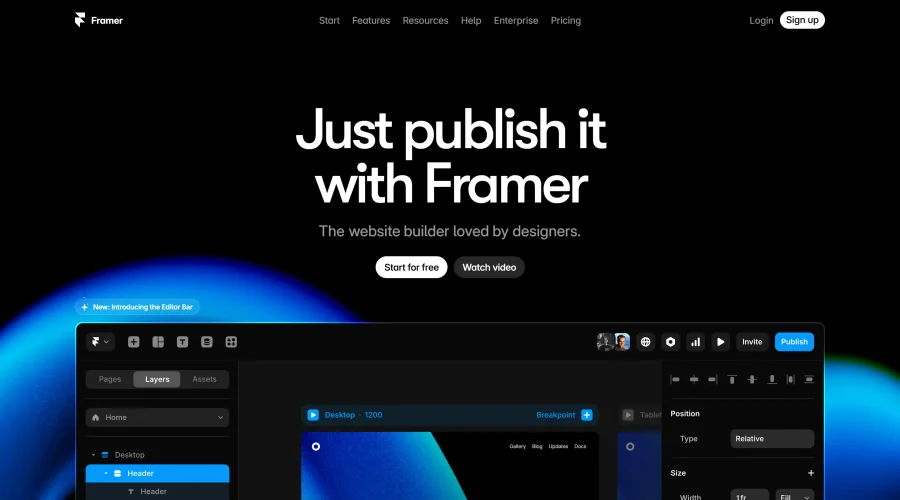

Framer
Design and launch your dream website with no coding required.
Continue Your Learning Journey
The design glossary is just the beginning. Explore more terms, discover tools, and level up your design skills.