
Progressive Disclosure
Gradually revealing information or options to reduce cognitive load and interface clutter.
What is Progressive Disclosure in UX/UI Design?
Progressive disclosure is a UX design technique that gradually reveals information or options, reducing cognitive load and interface clutter. By presenting only essential content initially and deferring advanced features to secondary UI components, designers make complex interfaces more manageable and user-friendly.
Definition and Purpose
Progressive disclosure was first introduced by Jakob Nielsen in 1995 as a method to lower user errors in complex software. It aims to simplify interactions by dividing tasks into smaller, more manageable steps, ensuring users can focus on specific tasks without being overwhelmed by excessive information.
Benefits
- Reduced Cognitive Overload: Users are not overwhelmed with too much information at once, making it easier to process and understand.
- Improved User Experience: By progressively revealing information, users can focus on specific tasks or content without distractions.
- Enhanced Learnability: Users learn how to navigate and use interfaces more effectively as they discover new information in a structured way.
Implementation Techniques
- Accordion and Modal Windows: These UI patterns hide advanced features and information, keeping the primary UI straightforward and inviting.
- Tabs and Carousels: Divide content into manageable sections, allowing users to switch between them as needed.
- Scrolling and Collapsible Menus: Gradually reveal content as users interact with the interface.
Design Process
- Identify User Needs: Use UX research methods like user interviews and usability testing to understand what users require.
- Prioritize Information: Employ techniques like card sorting to prioritize content and features, ensuring users achieve their goals efficiently.
- Determine Detail Levels: Decide on the level of detail to provide at each step, ensuring it aligns with user needs.
- Design for Simplicity: Focus on simplicity by providing only necessary content and features for each task.
Examples
- Multi-Step Forms: Commonly used in online checkouts, where users are guided through a series of steps to complete a transaction.
- Advanced Search Features: Tools like Google’s advanced search feature, where additional options are revealed upon request.
Best Practices
- Consistent Feedback: Provide clear feedback when users interact with progressive disclosure elements to ensure they understand new content is available.
- Flexibility in Interaction: Allow users to control the pace of information disclosure based on their needs and preferences.
Challenges and Considerations
- Increased Interaction Cost: Users may need to perform additional interactions to access desired information.
- Lack of Visibility: Hidden information may prevent users from accessing important content if they are unaware of its existence.
- Design Consistency: Poorly implemented progressive disclosure can confuse users if the design is inconsistent or unpredictable.
Conclusion
Progressive disclosure is a powerful UX design technique that enhances user experience by managing complexity and providing information in a digestible manner. By understanding user needs, prioritizing content, and implementing UI patterns effectively, designers can create interfaces that are both intuitive and efficient. This approach supports users of varying experience levels, ensuring a smooth and engaging interaction with digital products.
Explore Other Terms
A/B Testing (Split Testing)
ResearchComparing two versions of a design or feature to see which performs better.
Accessibility
UXDesigning products and interfaces usable by people with varying abilities (e.g., vision, motor, cognitive).
Accessibility Tree
UXA structure that assistive tech (like screen readers) uses to interpret and convey interface elements to users.
Adaptive Design
UICreating distinct layouts tailored for specific screen sizes rather than using one responsive layout.
Alignment
GraphicArranging elements so their edges or centers line up, promoting order and unity.
Aspect Ratio
UI / GraphicThe proportional relationship between width and height of an image or screen (e.g., 16:9).
Explore Design Tools
Discover tools that help you apply progressive disclosure in your work.
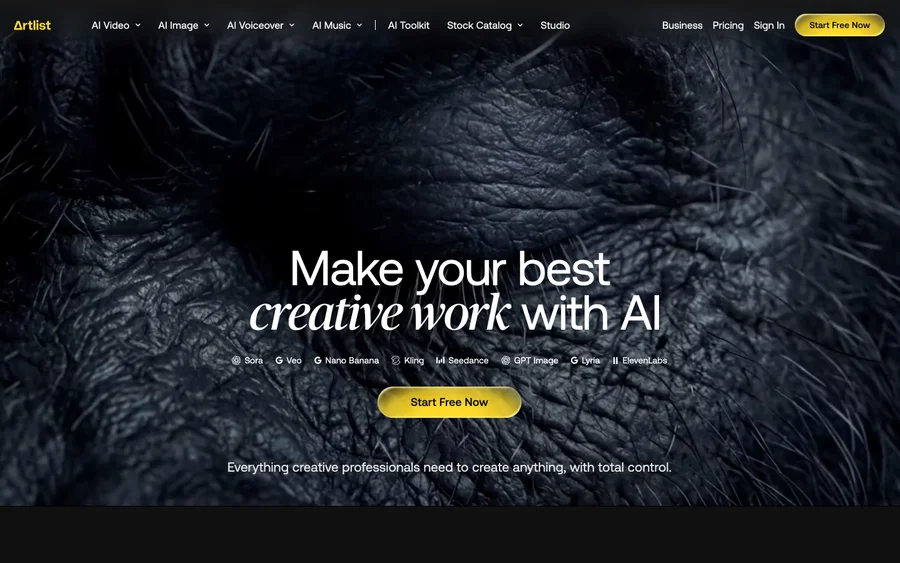

Artlist
Royalty-free music, SFX, 8K footage, templates, LUTs and 100+ AI models on a single subscription for video creators.
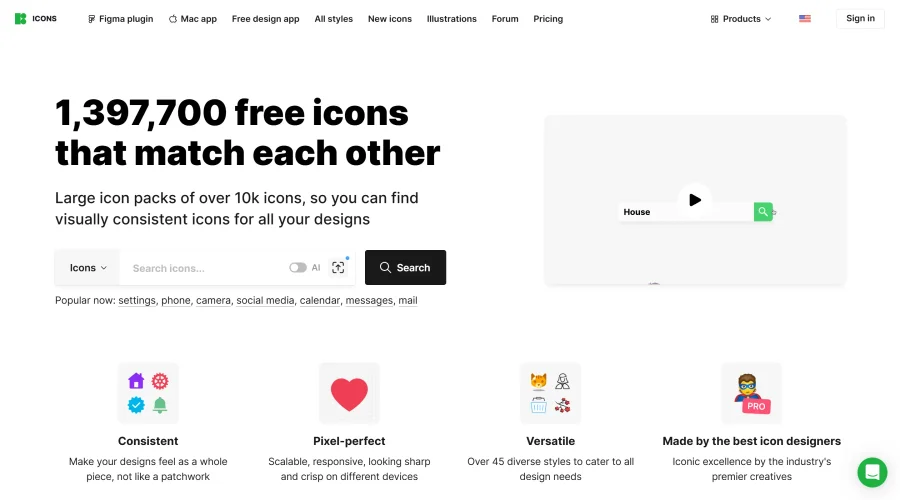

Icons8
Large icon packs featuring over 10,000 icons for consistent design themes.


Vidu
AI video generator with text, image and reference-to-video modes, producing 3–16 second clips at up to 1080p with characters that stay consistent across shots.
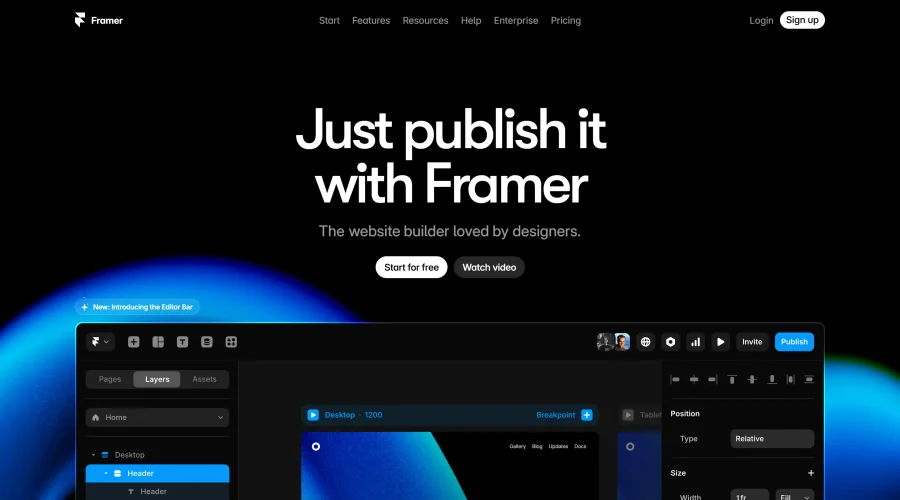

Framer
Design and launch your dream website with no coding required.
Continue Your Learning Journey
The design glossary is just the beginning. Explore more terms, discover tools, and level up your design skills.