
CTA (Call to Action)
A prompt (e.g., “Sign Up,” “Buy Now”) encouraging users to take a specific action.
What is a CTA (Call to Action)?
A Call to Action (CTA) is a crucial design element that encourages users to perform a specific action on a website or app. Common examples of CTAs include prompts like "Sign Up," "Buy Now," or "Learn More." These interactive UI elements are vital for guiding users through a conversion process, whether it's making a purchase, subscribing to a service, or contacting a business. Effective CTAs are designed to be visually prominent, clear, and actionable, ensuring they capture the user's attention and motivate them to take the desired action. In UX/UI design, well-crafted CTAs play a significant role in enhancing user experience by providing clear instructions and facilitating smooth navigation through digital platforms.
Importance of CTAs in UX/UI Design
CTAs are essential in UX/UI design because they help focus the user's attention on key actions that align with business objectives. By strategically placing CTAs, designers can improve the overall user flow and conversion rates. For instance, a CTA like "Start a Free Trial" can entice users to engage with a product or service by offering a risk-free experience. This not only enhances user engagement but also drives business goals forward by encouraging users to explore and eventually purchase the offering.
Designing Effective CTAs
To create effective CTAs, designers must consider several key factors:
- Affordance: The CTA should clearly communicate its purpose and functionality. For example, underlining links or using buttons with actionable text like "Buy Now" helps users understand what the CTA does.
- Prominence: CTAs should stand out visually on a webpage. This can be achieved through the use of contrasting colors, sufficient size, and strategic placement.
- Clarity: The text on a CTA should be concise and clear. Phrases like "Sign Up for Free" are more effective than vague prompts.
- Accessibility: CTAs must be accessible to all users, including those using assistive technologies like screen readers. This involves ensuring that CTAs are properly labeled and can be accessed via keyboard navigation.
Best Practices for CTA Placement
The placement of CTAs is critical for maximizing their effectiveness. Here are some best practices:
- Above the Fold: Placing CTAs above the fold (the part of the webpage visible without scrolling) increases visibility and encourages immediate action.
- Contextual Relevance: CTAs should appear in contextually relevant areas. For example, a "Buy Now" CTA should be placed near the product description or after showcasing product benefits.
- Minimal Distractions: Ensure that the surrounding content does not distract from the CTA. A clean and simple design helps focus the user's attention on the desired action.
Measuring CTA Effectiveness
The effectiveness of a CTA can be measured using metrics like the click-through rate (CTR) and conversion rate. A high CTR indicates that users are clicking on the CTA, while a high conversion rate shows that users are completing the desired action after clicking. Tools like A/B testing can help optimize CTAs by comparing different versions to see which performs better.
Role of CTAs in Lead Generation and Sales
CTAs play a pivotal role in lead generation and sales by prompting users to engage further with a product or service. For instance, a CTA like "Contact Us" can encourage potential customers to reach out for more information, while a CTA like "Purchase Now" can drive immediate sales. By optimizing CTAs, businesses can significantly improve their conversion rates and enhance overall customer engagement.
Accessibility Considerations
In addition to being visually appealing and strategically placed, CTAs must also be accessible to users with disabilities. This includes ensuring that CTAs are readable by screen readers, can be navigated using a keyboard, and provide sufficient color contrast for users with visual impairments. By prioritizing accessibility, businesses can ensure that their CTAs are effective for all users, thereby maximizing their reach and impact.
Future of CTAs in UX/UI Design
As UX/UI design continues to evolve, the role of CTAs will remain crucial for guiding user interactions and driving business outcomes. Future trends may include more personalized CTAs that adapt to individual user behaviors and preferences, leveraging AI and machine learning to optimize CTA effectiveness. Additionally, with the rise of voice UI and other emerging technologies, CTAs will need to be designed with these new interfaces in mind, ensuring seamless interaction across different platforms.
Conclusion
In conclusion, CTAs are fundamental elements in UX/UI design that facilitate user engagement and conversion. By understanding the principles of effective CTA design and placement, businesses can enhance their digital platforms to better meet user needs and achieve business objectives. Whether it's encouraging sign-ups, purchases, or contact inquiries, well-designed CTAs are essential for creating a user-friendly and action-oriented experience.
Explore Other Terms
A/B Testing (Split Testing)
ResearchComparing two versions of a design or feature to see which performs better.
Accessibility
UXDesigning products and interfaces usable by people with varying abilities (e.g., vision, motor, cognitive).
Accessibility Tree
UXA structure that assistive tech (like screen readers) uses to interpret and convey interface elements to users.
Adaptive Design
UICreating distinct layouts tailored for specific screen sizes rather than using one responsive layout.
Alignment
GraphicArranging elements so their edges or centers line up, promoting order and unity.
Aspect Ratio
UI / GraphicThe proportional relationship between width and height of an image or screen (e.g., 16:9).
Explore Design Tools
Discover tools that help you apply cta (call to action) in your work.
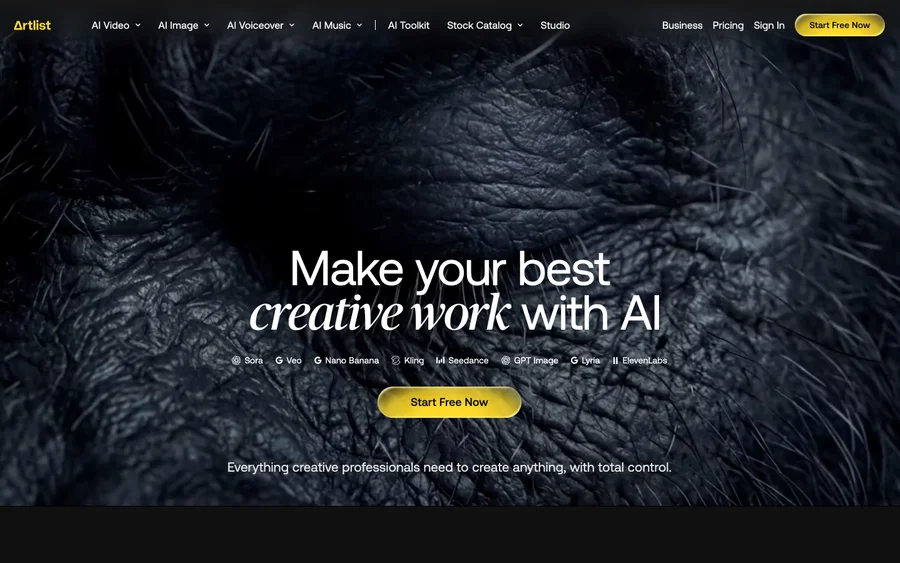

Artlist
Royalty-free music, SFX, 8K footage, templates, LUTs and 100+ AI models on a single subscription for video creators.
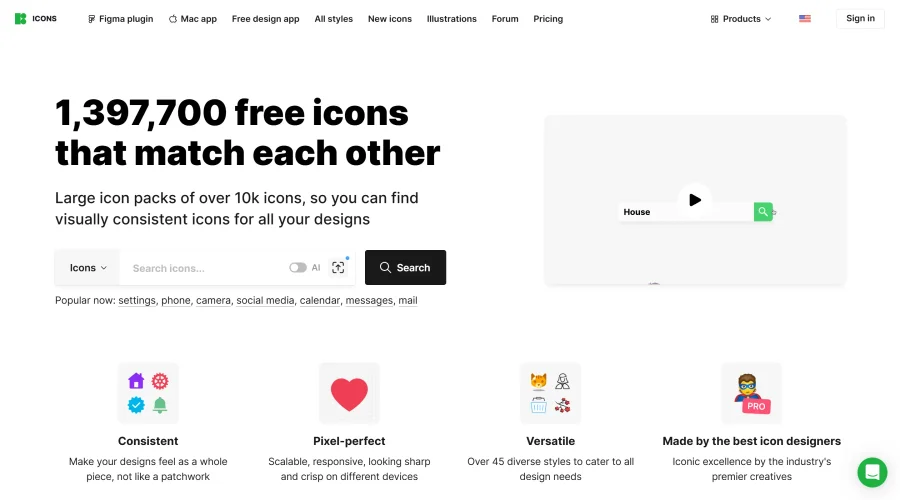

Icons8
Large icon packs featuring over 10,000 icons for consistent design themes.


Vidu
AI video generator with text, image and reference-to-video modes, producing 3–16 second clips at up to 1080p with characters that stay consistent across shots.
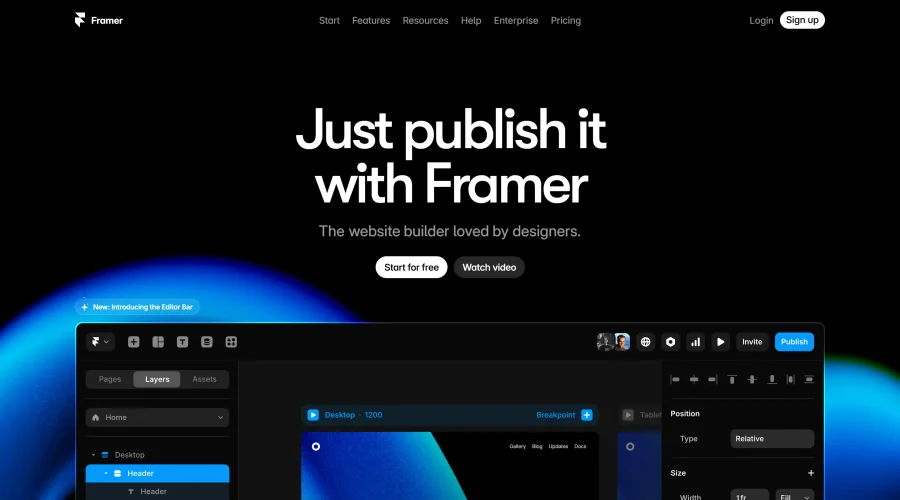

Framer
Design and launch your dream website with no coding required.
Continue Your Learning Journey
The design glossary is just the beginning. Explore more terms, discover tools, and level up your design skills.