
Pantone (PMS)
A standardized color matching system used for consistent color reproduction in print.
What are Pantone (PMS) Colors?
Pantone, or the Pantone Matching System (PMS), is a globally recognized standardized color matching system designed to ensure consistent color reproduction across various mediums, particularly in print. It provides a precise and reliable method for manufacturers and designers to match colors, ensuring that the final product looks exactly as intended, regardless of the location or materials used. This system is crucial in industries like graphic design, fashion, and packaging, where maintaining brand identity through consistent colors is essential.
What is Pantone Used For?
Pantone is primarily used in the printing industry to guarantee that colors are accurately represented on different materials and under various lighting conditions. Beyond print, it is also applied in the production of plastics, textiles, and paints, facilitating a universal language of color that transcends geographical and technological barriers.
Key Features of Pantone
- Standardization: Pantone offers a comprehensive palette of over 1,000 unique colors, each identified by a specific number. This system allows different manufacturers to reproduce colors consistently without needing direct communication.
- Accuracy: Unlike the CMYK color model, which can produce varying results due to its reliance on cyan, magenta, yellow, and black inks, Pantone uses specific pigments to achieve precise color matches.
- Versatility: Pantone includes a range of special colors such as metallics, fluorescents, and pastels, which cannot be replicated with traditional CMYK printing.
Benefits of Using Pantone
- Consistency: Ensures that brand colors are consistently reproduced across different products and materials.
- Precision: Offers a high degree of color accuracy, making it ideal for applications where exact color representation is critical.
- Universality: Provides a common language for color communication, facilitating collaboration across different industries and regions.
Pantone vs. CMYK
While CMYK is widely used for digital printing, Pantone is preferred when precise color control is necessary. CMYK colors can vary significantly depending on the printer and paper used, whereas Pantone colors are mixed from specific base pigments to achieve a consistent result. This makes Pantone particularly valuable for branding and packaging where consistent color is essential.
Applications of Pantone
- Graphic Design: Used for creating visual elements such as logos, brochures, and business cards where precise color representation is crucial.
- Fashion: Essential for textile production to ensure that fabrics match the intended color specifications.
- Packaging: Critical for maintaining brand consistency across packaging materials.
Tools and Resources
To work with Pantone colors, designers often use tools like Adobe Illustrator or specialized color matching software. These tools help convert digital colors (such as RGB or Hex) into the nearest Pantone equivalent, ensuring that the final printed product matches the digital design.
Conclusion
Pantone's standardized color matching system is indispensable for achieving consistent and accurate color reproduction in various industries. Its ability to transcend technological and geographical barriers has made it a global standard for color communication, ensuring that brands can maintain their visual identity across different mediums and locations.
Explore Other Terms
A/B Testing (Split Testing)
ResearchComparing two versions of a design or feature to see which performs better.
Accessibility
UXDesigning products and interfaces usable by people with varying abilities (e.g., vision, motor, cognitive).
Accessibility Tree
UXA structure that assistive tech (like screen readers) uses to interpret and convey interface elements to users.
Adaptive Design
UICreating distinct layouts tailored for specific screen sizes rather than using one responsive layout.
Alignment
GraphicArranging elements so their edges or centers line up, promoting order and unity.
Aspect Ratio
UI / GraphicThe proportional relationship between width and height of an image or screen (e.g., 16:9).
Explore Design Tools
Discover tools that help you apply pantone (pms) in your work.

Artlist
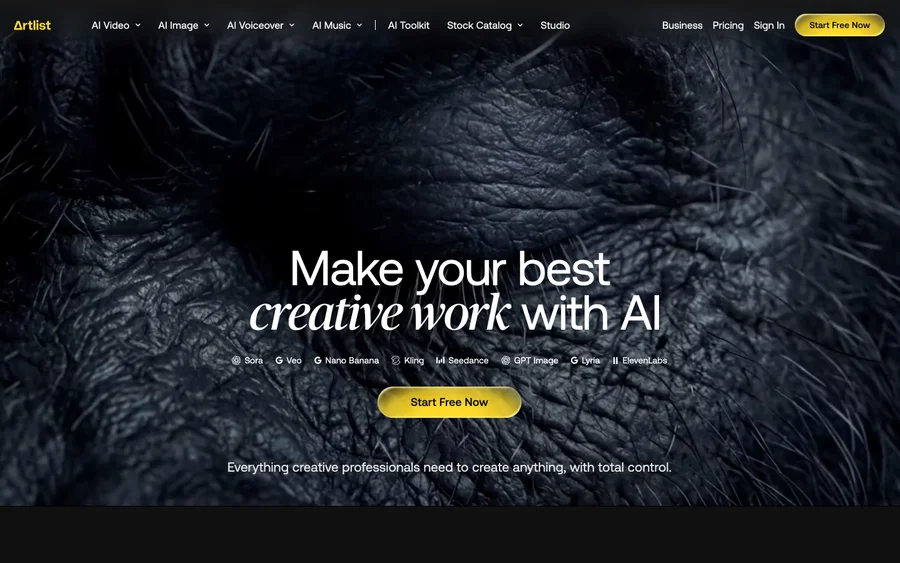
Royalty-free music, SFX, 8K footage, templates, LUTs and 100+ AI models on a single subscription for video creators.

Icons8
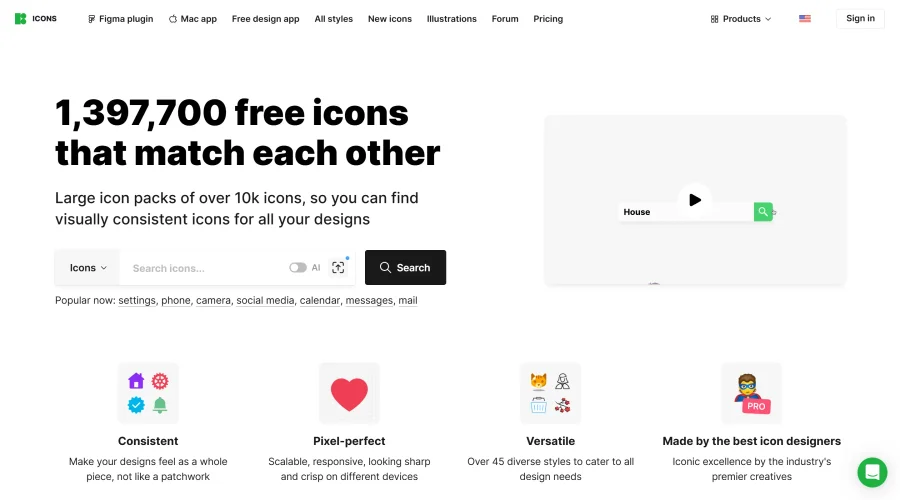
Large icon packs featuring over 10,000 icons for consistent design themes.


Vidu
AI video generator with text, image and reference-to-video modes, producing 3–16 second clips at up to 1080p with characters that stay consistent across shots.

Framer
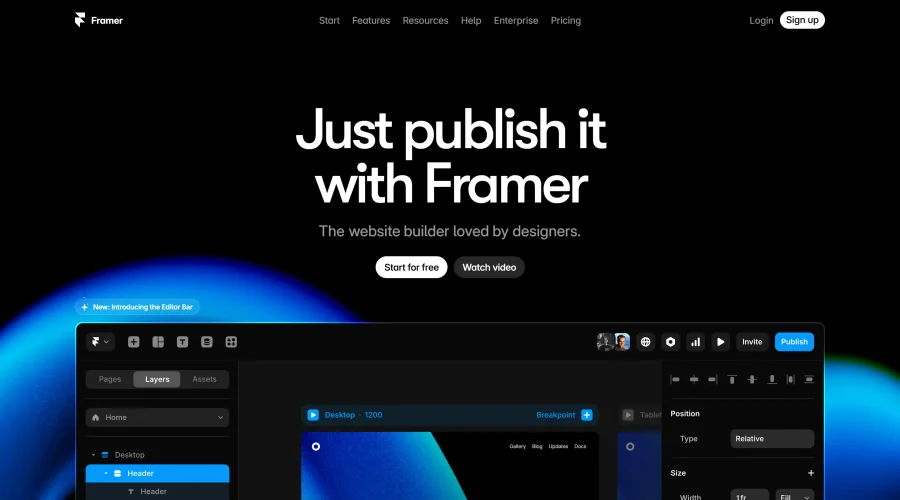
Design and launch your dream website with no coding required.
Continue Your Learning Journey
The design glossary is just the beginning. Explore more terms, discover tools, and level up your design skills.