
XR (Extended Reality)
An umbrella term for augmented reality (AR), virtual reality (VR), and mixed reality (MR).
What is XR (Extended Reality)?
Extended Reality (XR) is an umbrella term encompassing Augmented Reality (AR), Virtual Reality (VR), and Mixed Reality (MR). These immersive technologies transform how we interact with digital environments, enhancing experiences in entertainment, education, and beyond.
Augmented Reality (AR)
AR overlays digital information onto the real world, enhancing our surroundings with interactive and contextual data. This technology is widely used in gaming, marketing, and education to provide enhanced experiences.
Virtual Reality (VR)
VR immerses users in a completely virtual environment, often through headsets. It's used in gaming, architectural design, and training simulations to create fully interactive digital worlds.
Mixed Reality (MR)
MR blends elements of both AR and VR, allowing users to interact with both physical and digital objects in real-time. This technology has applications in product design, entertainment, and educational settings.
XR technologies are evolving rapidly, with advancements in hardware and software enabling more sophisticated and immersive experiences. From enhancing entertainment to revolutionizing industries like healthcare and education, XR continues to shape the future of digital interaction.
Applications of Extended Reality
- Gaming and Entertainment: XR technologies offer immersive experiences that blur the lines between reality and fantasy.
- Education and Training: XR enhances learning by providing interactive, hands-on experiences that simulate real-world scenarios.
- Healthcare: Used for therapy, surgical training, and patient education.
- Architecture and Design: Allows for virtual walkthroughs and design prototyping.
As XR continues to evolve, it's poised to transform industries and revolutionize how we interact with digital environments. With ongoing advancements in spatial computing and edge computing, XR will become even more integral to our daily lives, offering seamless transitions between physical and digital worlds.
Explore Other Terms
A/B Testing (Split Testing)
ResearchComparing two versions of a design or feature to see which performs better.
Accessibility
UXDesigning products and interfaces usable by people with varying abilities (e.g., vision, motor, cognitive).
Accessibility Tree
UXA structure that assistive tech (like screen readers) uses to interpret and convey interface elements to users.
Adaptive Design
UICreating distinct layouts tailored for specific screen sizes rather than using one responsive layout.
Alignment
GraphicArranging elements so their edges or centers line up, promoting order and unity.
Aspect Ratio
UI / GraphicThe proportional relationship between width and height of an image or screen (e.g., 16:9).
Explore Design Tools
Discover tools that help you apply xr (extended reality) in your work.
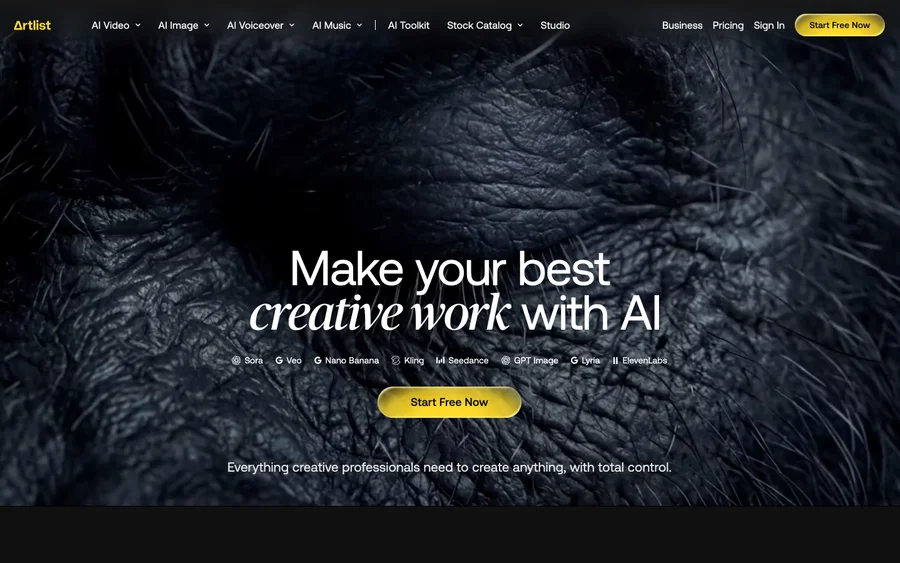

Artlist
Royalty-free music, SFX, 8K footage, templates, LUTs and 100+ AI models on a single subscription for video creators.
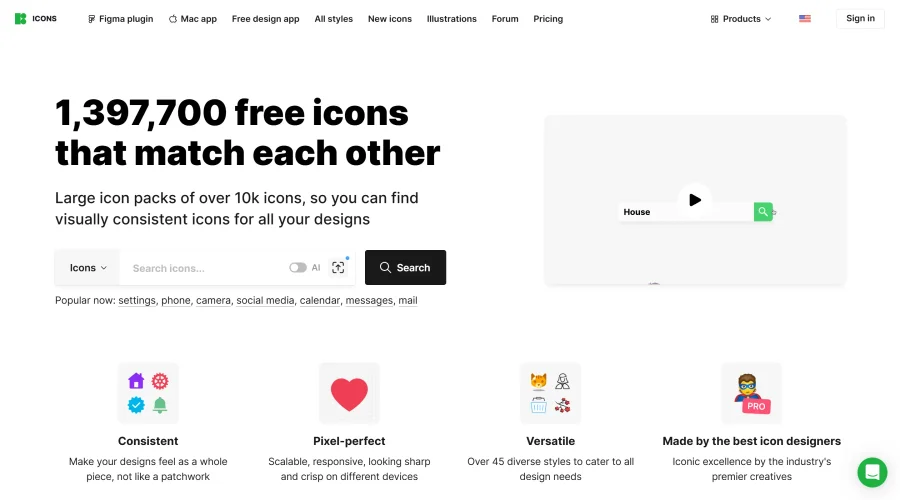

Icons8
Large icon packs featuring over 10,000 icons for consistent design themes.
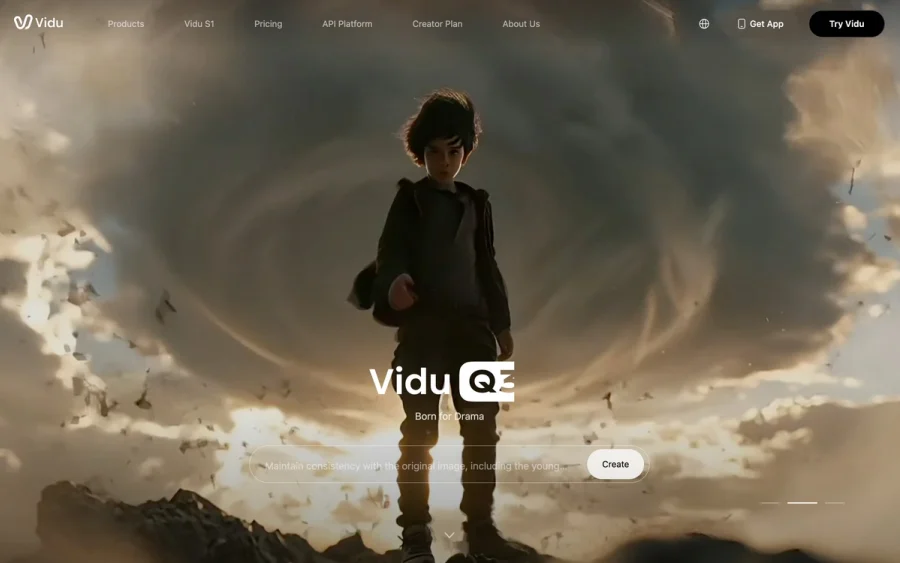

Vidu
AI video generator with text, image and reference-to-video modes, producing 3–16 second clips at up to 1080p with characters that stay consistent across shots.
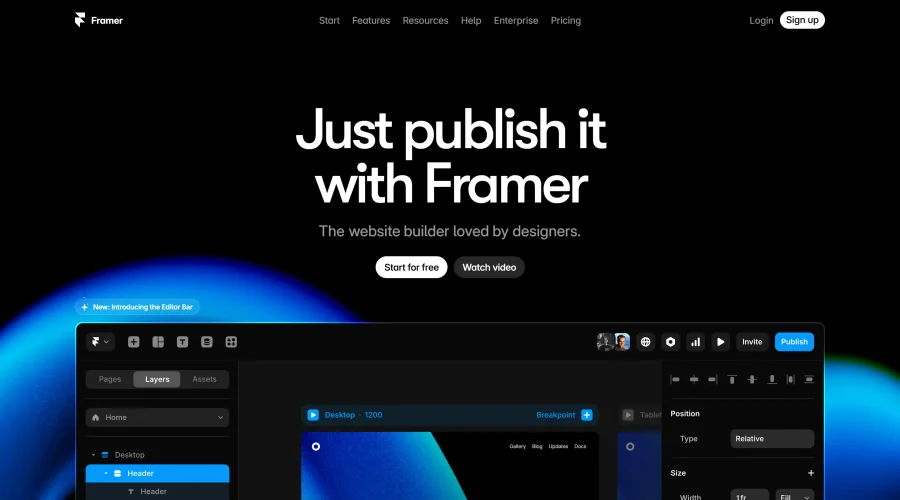

Framer
Design and launch your dream website with no coding required.
Continue Your Learning Journey
The design glossary is just the beginning. Explore more terms, discover tools, and level up your design skills.