
Iconography
Use of icons and symbols to communicate meaning quickly and universally.
What is Iconography in UI Design and Graphic Design?
Iconography in UX/UI and design refers to the strategic use of icons and symbols to convey meaning quickly and universally. It plays a crucial role in enhancing user interfaces by simplifying navigation, reducing cognitive load, and improving the overall aesthetic appeal of digital products. Effective iconography ensures that users can instantly recognize and understand the function or content represented by icons, thereby facilitating intuitive interactions. This visual language is essential for creating engaging and user-friendly digital environments, as it supports brand identity and contributes to a cohesive design language across platforms. By leveraging well-designed icons, designers can streamline user experiences, making digital interactions more efficient and enjoyable.
Benefits of Iconography in UX/UI
- Simplified Navigation: Icons serve as visual shortcuts, guiding users through complex digital interfaces by conveying information swiftly.
- Enhanced Readability: By reducing the need for text, icons create cleaner interfaces, allowing users to process information more efficiently.
- Universal Recognition: Well-designed icons are universally recognized, making them an effective tool for communicating across different cultures and languages.
Types of Icons in Iconography
- Functional Icons: These icons, such as "search" or "settings," guide users toward specific actions and are crucial for usability.
- Decorative Icons: While non-essential, decorative icons add personality to interfaces, enhancing brand identity and user engagement.
Best Practices for Effective Iconography
- Consistency: Ensure that icons are consistent across the platform to avoid confusion.
- Clarity: Icons should be clear and unambiguous, conveying their intended meaning at a glance.
- Brand Alignment: Icons should align with the brand's visual identity to reinforce its personality and messaging.
Impact on User Experience
Iconography significantly influences user experience by reducing cognitive load and supporting user engagement. By providing visual cues that are easily recognizable, icons help users locate functions quickly, leading to more satisfying interactions with digital products. Effective iconography is not just about aesthetics; it is a critical component of usability and user-centered design.
Evolution of Iconography
The definition and application of iconography have evolved over time, influenced by technological advancements and design trends. From early skeuomorphic designs to modern minimalist approaches, iconography continues to adapt to meet the needs of evolving digital landscapes. Understanding these trends is essential for creating icons that are both visually appealing and functionally effective.
Role in Digital Products
In digital products, icons are more than just visual elements; they represent keys to accessing various dimensions of usability. Without well-designed icons, users would encounter significant obstacles in navigating digital interfaces. As technology continues to advance, the importance of iconography in creating intuitive and engaging user experiences will only grow.
Designing Effective Icons
Designing effective icons involves a deep understanding of visual design principles, including the use of grids for consistency and scalability. A well-crafted icon set should be aligned with the product's brand identity and communicate meaning universally. By focusing on clarity, simplicity, and consistency, designers can create icons that enhance the user experience and contribute to a cohesive design language.
Conclusion
Iconography is a powerful tool in UX/UI design, transforming user interfaces into engaging and intuitive experiences. By leveraging effective iconography, designers can improve usability, enhance visual appeal, and reinforce brand identity. As digital products continue to evolve, the strategic use of icons will remain essential for creating user-friendly and visually appealing interfaces.
Explore Other Terms
A/B Testing (Split Testing)
ResearchComparing two versions of a design or feature to see which performs better.
Accessibility
UXDesigning products and interfaces usable by people with varying abilities (e.g., vision, motor, cognitive).
Accessibility Tree
UXA structure that assistive tech (like screen readers) uses to interpret and convey interface elements to users.
Adaptive Design
UICreating distinct layouts tailored for specific screen sizes rather than using one responsive layout.
Alignment
GraphicArranging elements so their edges or centers line up, promoting order and unity.
Atomic Design
UIA methodology breaking UIs into basic building blocks (atoms, molecules, organisms) for consistency and scalability.
Explore Design Tools
Discover tools that help you apply iconography in your work.
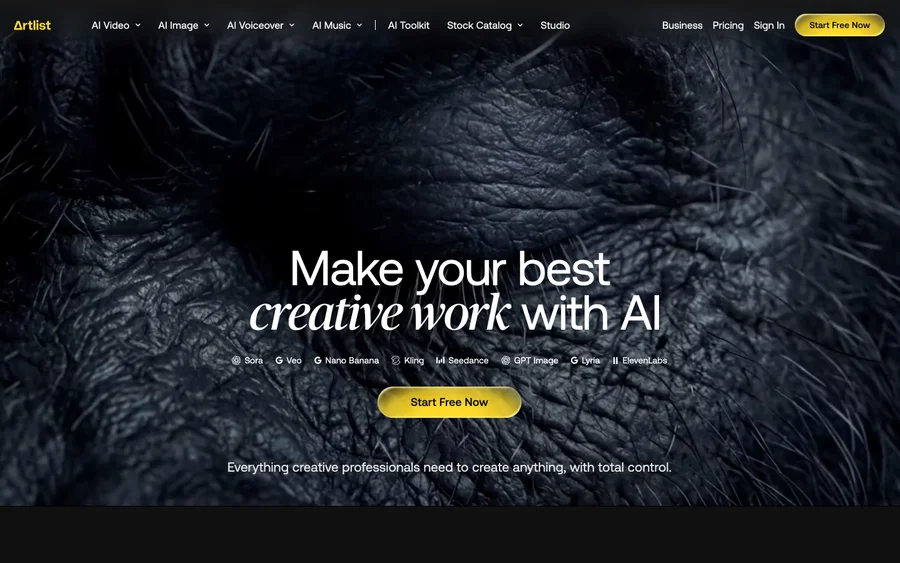

Artlist
Royalty-free music, SFX, 8K footage, templates, LUTs and 100+ AI models on a single subscription for video creators.
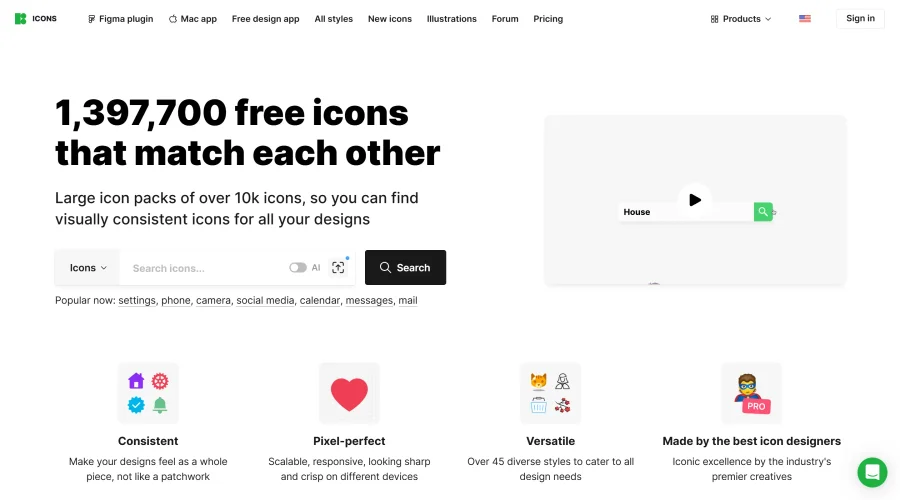

Icons8
Large icon packs featuring over 10,000 icons for consistent design themes.
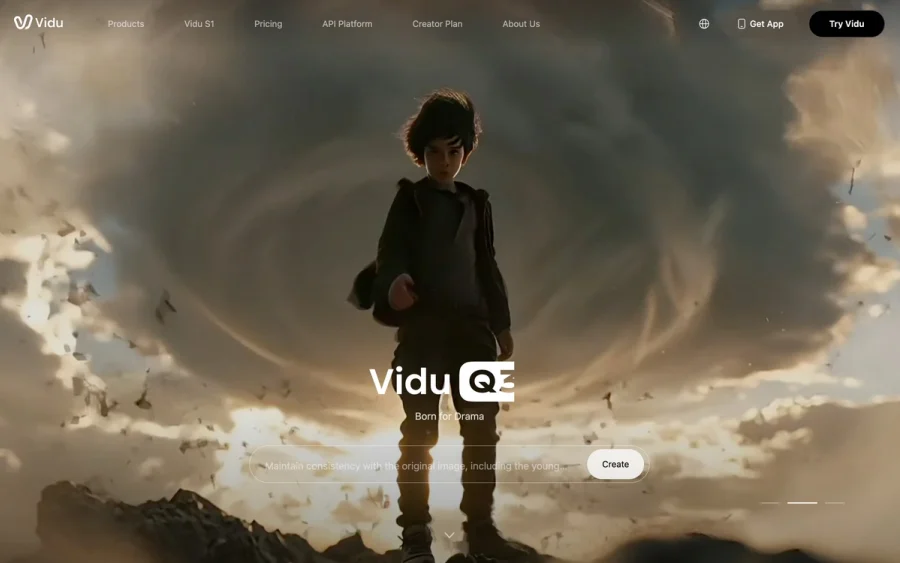

Vidu
AI video generator with text, image and reference-to-video modes, producing 3–16 second clips at up to 1080p with characters that stay consistent across shots.
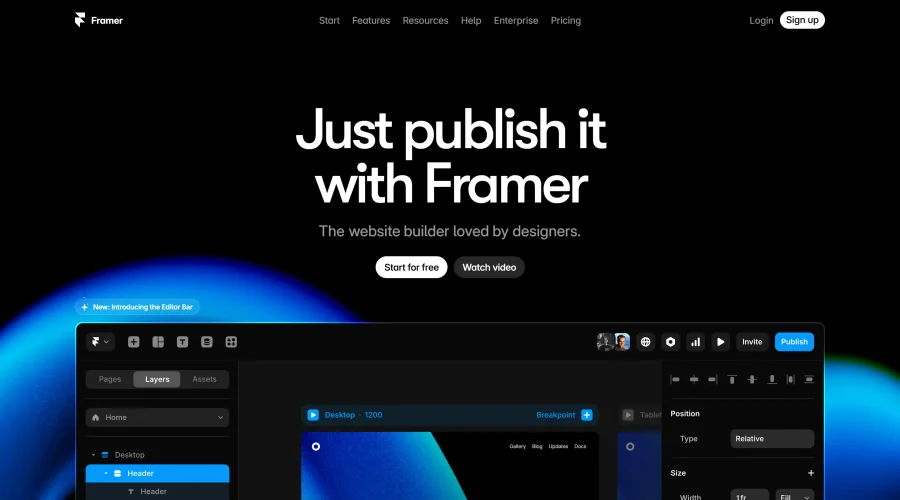

Framer
Design and launch your dream website with no coding required.
Continue Your Learning Journey
The design glossary is just the beginning. Explore more terms, discover tools, and level up your design skills.