
Skeuomorphism
A design style replicating real-world textures or objects (e.g., a notepad app resembling paper).
What is Skeuomorphism in UI?
Skeuomorphism is a design style that replicates real-world textures or objects in digital interfaces. This approach is used to create a sense of familiarity and comfort for users by mimicking the appearance and functionality of physical objects. For instance, a notepad app might resemble paper, complete with texture and shadow effects, to make the digital experience more intuitive.
Key Characteristics
- Realistic VisualsSkeuomorphic designs often use textures, shadows, and gradients to replicate the look and feel of real-world materials.Examples include digital calendars with leather-bound appearances or note-taking apps that look like physical notebooks with paper textures.
- Familiar MetaphorsThese designs use familiar physical objects as metaphors for digital functions.A digital calculator might have buttons that resemble those on an actual calculator, or a file folder icon might look like a physical folder.
- Enhanced User Understanding
- By mimicking real-world objects, skeuomorphic design can make interfaces more intuitive.
- Users are often already familiar with physical objects and their functions, so translating those into digital formats can reduce the learning curve.
- Emotional AppealSkeuomorphism can add a sense of warmth and familiarity to digital interfaces.The realistic details can create a more engaging and comforting user experience, especially when the physical objects being mimicked evoke positive associations.
Evolution of Skeuomorphism
Early Adoption
Skeuomorphism was particularly popular in the early days of digital design because it helped users transition from physical to digital environments. For example, early operating systems like Apple’s iOS featured skeuomorphic elements such as wooden bookshelves for storing digital books.
Shift to Flat Design
In recent years, there has been a shift toward flat design and minimalism. The flat design avoids using textures and 3D effects, focusing instead on simplicity and clarity. This approach is often seen as more modern and versatile, especially for responsive design across different devices.
Advantages of Skeuomorphism
- FamiliaritySkeuomorphism makes digital interfaces easier to use by mimicking real-world objects that users are already familiar with.This reduces the chances of a learning curve for new users to navigate and interact with the digital environment.
- Visual CuesBy incorporating textures, shadows, and depth, skeuomorphic designs provide clear visual cues about how different elements function.For example, a button designed to look like a physical button with depth and shadows intuitively suggests that it can be pressed.
- Brand Identity
- Skeuomorphic design can enhance brand identity by creating unique, visually rich interfaces that stand out.
- Detailed and realistic design elements can be customized to reflect the brand’s personality and values, making the digital experience more memorable and distinctive.
- EngagementThe realistic and detailed nature of skeuomorphic design can make digital interfaces more engaging and enjoyable.It creates a visually appealing and involving experience that keeps users interested and invested in interacting with the application or website.
- AccessibilitySkeuomorphic elements can make digital interfaces more accessible to a broader audience, including those who may not be as tech-savvy.By replicating familiar physical objects, these designs help users feel more at ease and confident in using digital tools.
Criticisms and Limitations
While skeuomorphism offers several benefits, it has also been criticized for being overly ornate and cluttered. Some designers argue that excessive use of textures and shadows can make interfaces look dated and less professional compared to modern, minimalist designs.
Conclusion
Skeuomorphism remains a significant design concept in UX/UI, especially for creating intuitive and engaging interfaces. Its ability to evoke familiarity and comfort can enhance user experience, making it a valuable tool for designers looking to bridge the gap between physical and digital interactions. However, the trend has evolved, and designers must balance skeuomorphic elements with modern design principles to ensure their interfaces remain both visually appealing and functional.
Explore Other Terms
A/B Testing (Split Testing)
ResearchComparing two versions of a design or feature to see which performs better.
Accessibility
UXDesigning products and interfaces usable by people with varying abilities (e.g., vision, motor, cognitive).
Accessibility Tree
UXA structure that assistive tech (like screen readers) uses to interpret and convey interface elements to users.
Adaptive Design
UICreating distinct layouts tailored for specific screen sizes rather than using one responsive layout.
Alignment
GraphicArranging elements so their edges or centers line up, promoting order and unity.
Atomic Design
UIA methodology breaking UIs into basic building blocks (atoms, molecules, organisms) for consistency and scalability.
Explore Design Tools
Discover tools that help you apply skeuomorphism in your work.
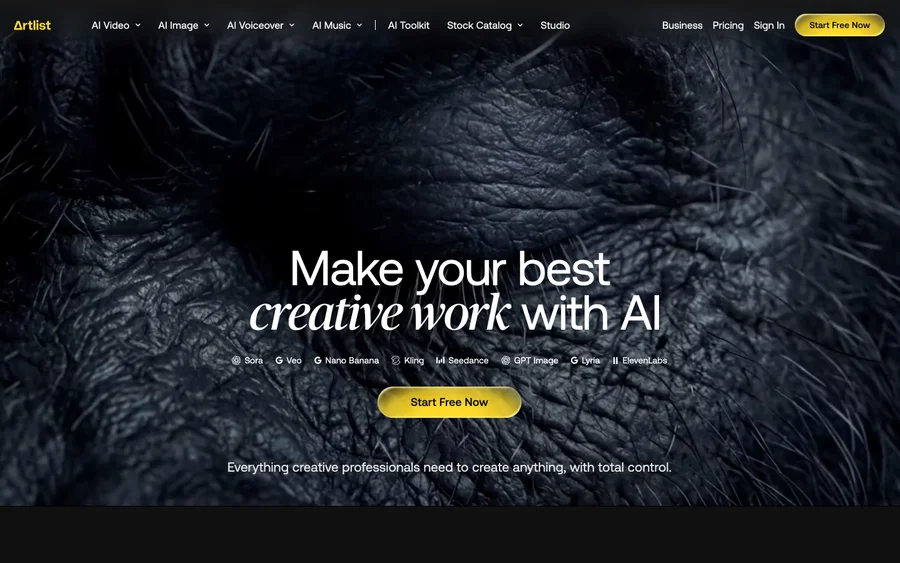

Artlist
Royalty-free music, SFX, 8K footage, templates, LUTs and 100+ AI models on a single subscription for video creators.
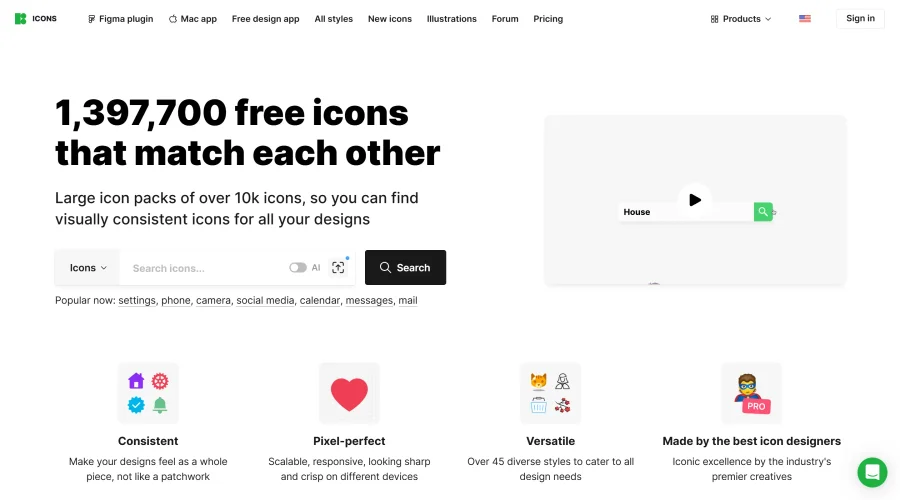

Icons8
Large icon packs featuring over 10,000 icons for consistent design themes.
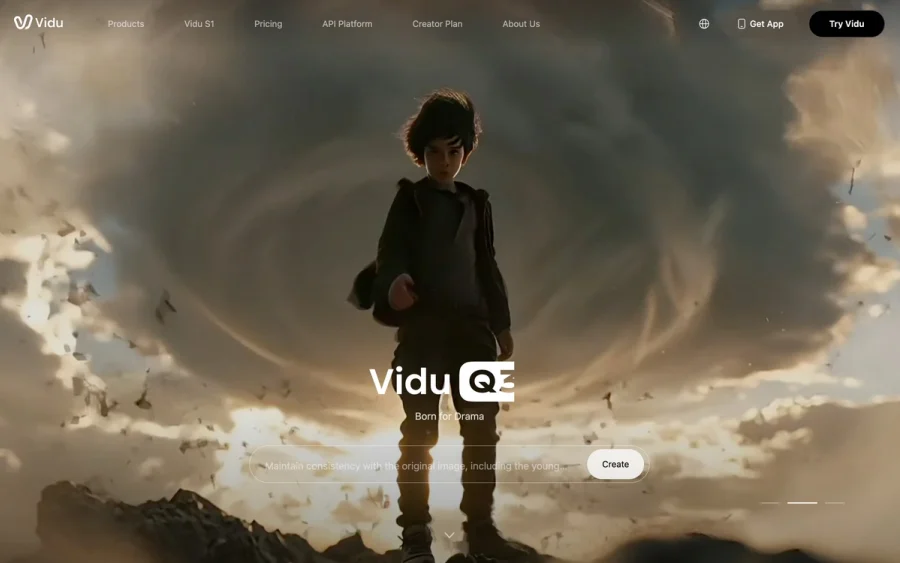

Vidu
AI video generator with text, image and reference-to-video modes, producing 3–16 second clips at up to 1080p with characters that stay consistent across shots.
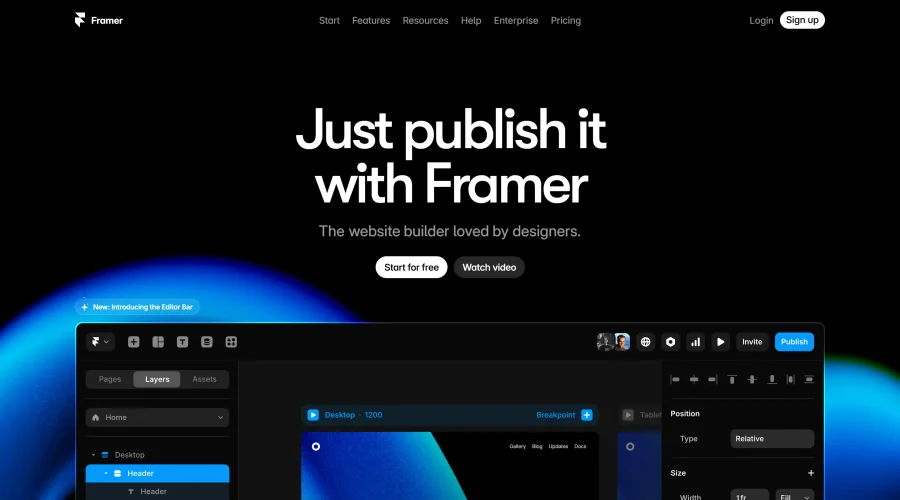

Framer
Design and launch your dream website with no coding required.
Continue Your Learning Journey
The design glossary is just the beginning. Explore more terms, discover tools, and level up your design skills.