
Interaction Cost
The total mental and physical effort required for a user to complete a task.
What is Interaction Cost in UX Design?
Interaction cost refers to the total mental and physical effort required for a user to complete a task when interacting with a digital product. This concept is crucial in usability and user experience (UX) design, as it directly affects how easily users can achieve their goals on a website or app.
Definition and Components
Interaction cost is defined by the sum of efforts—both mental and physical—that users must deploy to reach their objectives. It includes various components such as:
- Mental Effort: This involves cognitive processes like reading, comprehending information, decision-making, and remembering details across different pages or screens.
- Physical Effort: This encompasses actions like typing, clicking, scrolling, and navigating through menus or pages.
Impact on Usability
Minimizing interaction cost is essential for enhancing usability. Usable designs aim to reduce the cognitive load and physical actions required for users to complete tasks efficiently. This is achieved by optimizing elements like page layout, navigation, content clarity, and reducing unnecessary steps or distractions.
Best Practices for Reducing Interaction Cost
To lower interaction costs and improve user experience:
- Simplify Navigation: Ensure that menus and options are easily accessible and intuitive.
- Clear Content: Use concise and straightforward language to reduce reading and comprehension efforts.
- Efficient Feedback: Provide immediate and clear feedback for user actions to avoid confusion.
- Minimize Steps: Streamline processes by reducing the number of clicks or inputs needed.
Tools and Techniques
Several tools and techniques help in assessing and reducing interaction costs:
- Task Analysis: Observing users to understand how they perform tasks and identifying areas for improvement.
- User Testing: Conducting usability tests to measure interaction costs and gather user feedback.
- Fitts’ Law: Applying this principle to optimize the size and placement of interactive elements for easier access.
Importance for SEO
While interaction cost is primarily a UX concern, it indirectly affects SEO by improving user engagement and satisfaction. When users find a site easy to use, they are more likely to stay longer, explore more pages, and return, which can positively influence search engine rankings.
Conclusion
Understanding and minimizing interaction costs is vital for creating user-friendly digital products. By focusing on both mental and physical efforts required for user interactions, designers can enhance usability, improve user experience, and ultimately contribute to better SEO outcomes through increased user engagement.
Explore Other Terms
A/B Testing (Split Testing)
ResearchComparing two versions of a design or feature to see which performs better.
Adaptive Design
UICreating distinct layouts tailored for specific screen sizes rather than using one responsive layout.
Alignment
GraphicArranging elements so their edges or centers line up, promoting order and unity.
Aspect Ratio
UI / GraphicThe proportional relationship between width and height of an image or screen (e.g., 16:9).
Atomic Design
UIA methodology breaking UIs into basic building blocks (atoms, molecules, organisms) for consistency and scalability.
Balance
GraphicThe visual distribution of elements in a layout; can be symmetrical, asymmetrical, or radial.
Explore Design Tools
Discover tools that help you apply interaction cost in your work.


Artlist
Royalty-free music, SFX, 8K footage, templates, LUTs and 100+ AI models on a single subscription for video creators.
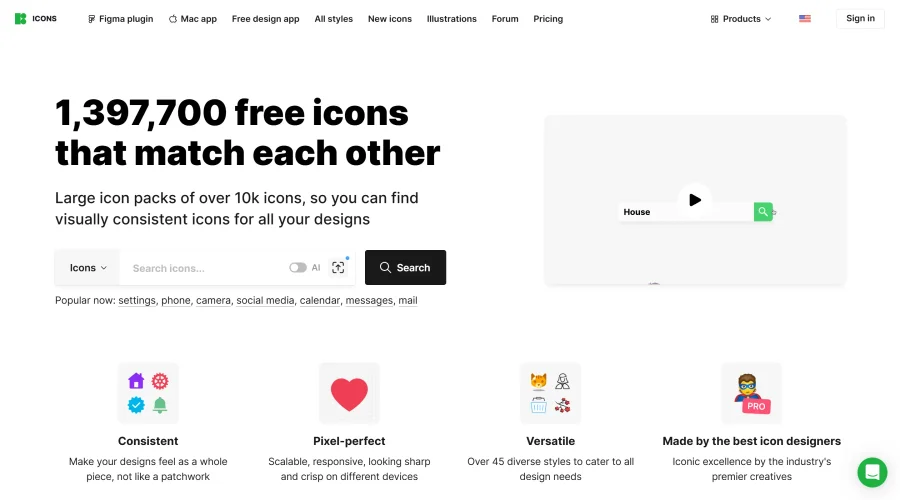

Icons8
Large icon packs featuring over 10,000 icons for consistent design themes.


Vidu
AI video generator with text, image and reference-to-video modes, producing 3–16 second clips at up to 1080p with characters that stay consistent across shots.
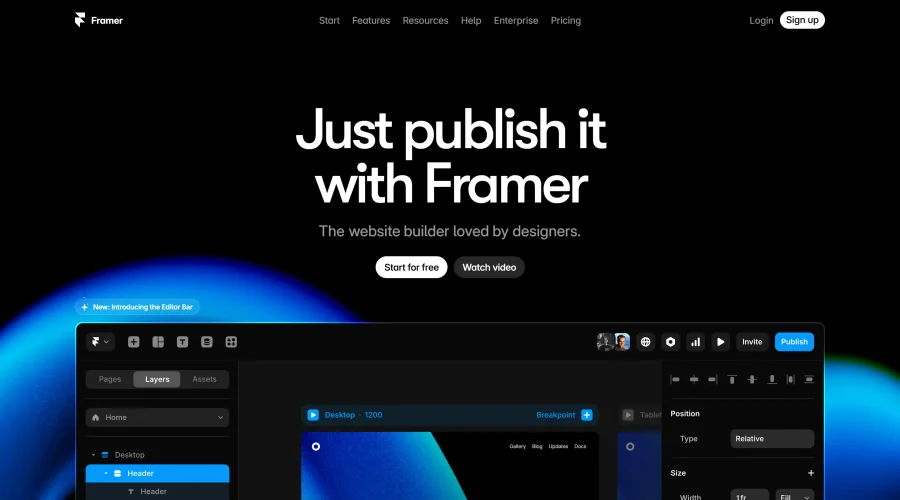

Framer
Design and launch your dream website with no coding required.
Continue Your Learning Journey
The design glossary is just the beginning. Explore more terms, discover tools, and level up your design skills.