
Material Design
Google’s design framework emphasizing grid-based layouts, responsive animations, and depth effects.
What is Material Design?
Material Design is a comprehensive design framework developed by Google to enhance digital user interfaces. It emphasizes grid-based layouts, responsive animations, and depth effects such as lighting and shadows, creating a visually appealing and intuitive experience. Introduced in 2014, Material Design aims to unify the look and feel of digital products across various platforms.
Key Features of Material Design
- Grid-Based Layouts: Material Design incorporates a grid system to organize content efficiently, ensuring consistency and readability.
- Responsive Animations: The framework includes smooth transitions and animations that enhance user interaction and feedback.
- Depth Effects: Utilizing shadows and lighting, Material Design creates a sense of depth, making interfaces more engaging and interactive.
Evolution of Material Design
Over the years, Material Design has evolved significantly:
- Material Design 2 (2018): Introduced customization options, emphasizing white space, rounded corners, and colorful icons.
- Material You (2021): Focused on personalization, allowing users to generate custom themes based on their wallpaper.
Benefits of Using Material Design
- Consistency: Provides a consistent user experience across different platforms and devices.
- Customization: Allows designers to tailor components to match their brand identity.
- Intuitive Interaction: Users find it easy to navigate due to its familiar and responsive design elements.
Implementation and Tools
Material Design offers a range of tools and guidelines for developers and designers:
- Component Library: Includes pre-built UI components like buttons, cards, and sliders.
- Guidelines and Documentation: Offers detailed instructions on layout, typography, and color usage.
- Material Theming: Enables customization of colors, typography, and shapes to align with brand aesthetics.
Impact on UX/UI Design
Material Design has become a standard in UX/UI design, influencing how digital products are developed:
- User Experience: Enhances user interaction with intuitive and responsive interfaces.
- Design Consistency: Ensures consistency across various Google products and third-party applications.
- Adaptability: Supports customization to fit different brand identities while maintaining its core principles.
Applications and Adoption
- Google Products: Initially applied to Google's own products, such as Google Flights.
- Third-Party Applications: Widely adopted by developers for its flexibility and user-friendly interface.
Future of Material Design
As technology evolves, Material Design continues to adapt, incorporating new features and customization options to meet the demands of modern digital design. With its emphasis on user experience and consistency, it remains a leading design framework in the industry.
Explore Other Terms
A/B Testing (Split Testing)
ResearchComparing two versions of a design or feature to see which performs better.
Accessibility
UXDesigning products and interfaces usable by people with varying abilities (e.g., vision, motor, cognitive).
Accessibility Tree
UXA structure that assistive tech (like screen readers) uses to interpret and convey interface elements to users.
Alignment
GraphicArranging elements so their edges or centers line up, promoting order and unity.
Aspect Ratio
UI / GraphicThe proportional relationship between width and height of an image or screen (e.g., 16:9).
Balance
GraphicThe visual distribution of elements in a layout; can be symmetrical, asymmetrical, or radial.
Explore Design Tools
Discover tools that help you apply material design in your work.
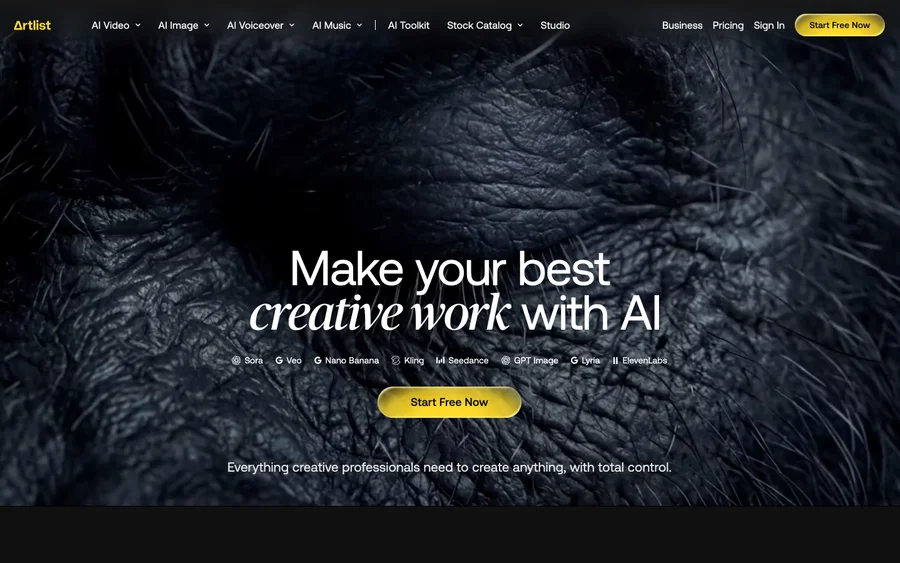

Artlist
Royalty-free music, SFX, 8K footage, templates, LUTs and 100+ AI models on a single subscription for video creators.
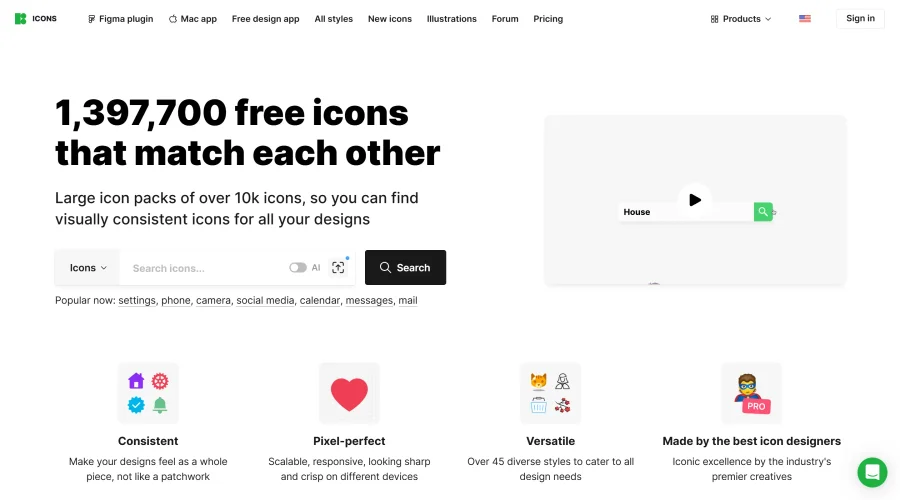

Icons8
Large icon packs featuring over 10,000 icons for consistent design themes.
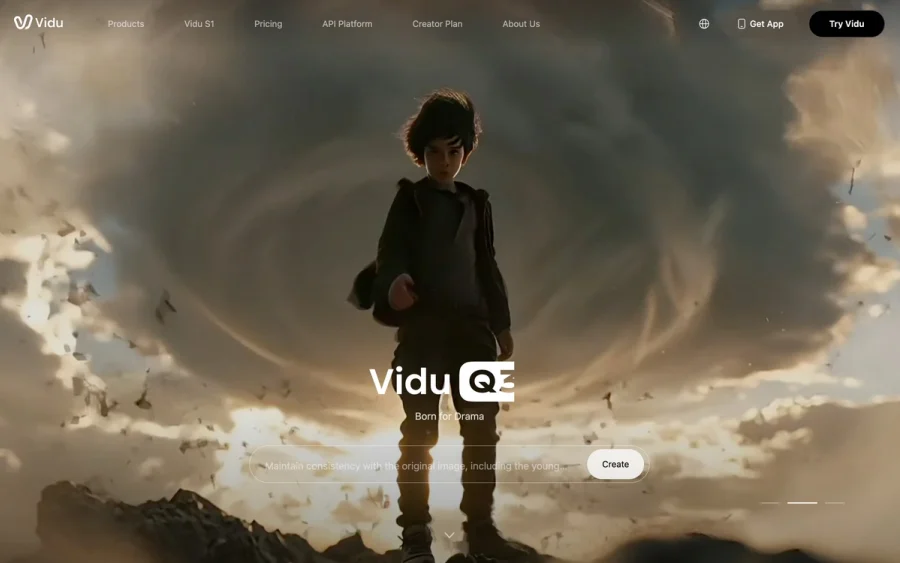

Vidu
AI video generator with text, image and reference-to-video modes, producing 3–16 second clips at up to 1080p with characters that stay consistent across shots.
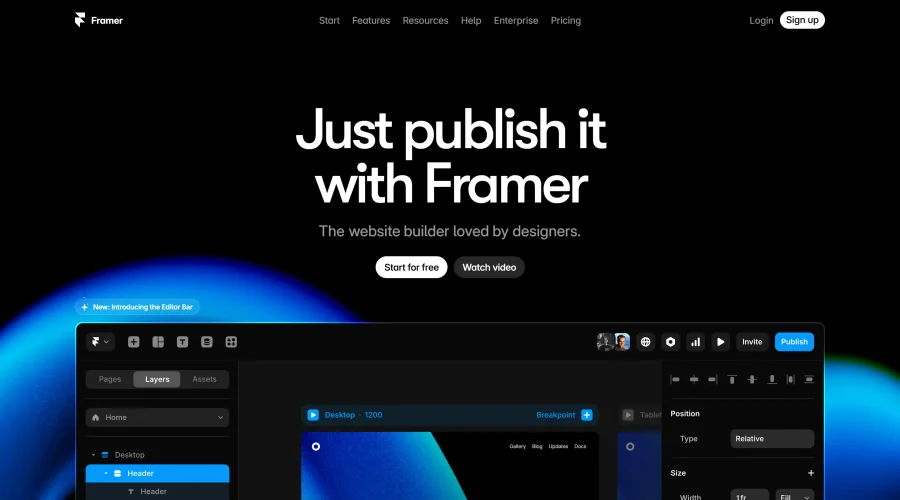

Framer
Design and launch your dream website with no coding required.
Continue Your Learning Journey
The design glossary is just the beginning. Explore more terms, discover tools, and level up your design skills.