
RGB
An additive color model (Red, Green, Blue) used for screens and digital displays.
What are RGB Colors?
The RGB color model is an additive color system used in digital displays to create a wide range of colors by combining red, green, and blue light. This model is essential for screens, including TVs, computer monitors, and smartphones, as it allows for the creation of vibrant and diverse colors by adjusting the intensity of each primary color. The RGB model works by adding different wavelengths of light together, resulting in white when all three colors are combined at full intensity. It is used in various digital devices to produce a vast array of colors for user interfaces and visual designs.
Additive Color Mixing
Additive color mixing involves combining light beams of different wavelengths to produce new colors. In the RGB model, red, green, and blue light are the primary colors. When these colors are mixed in equal proportions, they create secondary colors such as cyan (blue and green), magenta (red and blue), and yellow (red and green). This process is fundamental to digital displays, as it allows for the creation of millions of different colors by varying the intensity of each primary color.
Applications in Digital Displays
The RGB color model is widely used in digital displays due to its ability to produce a broad spectrum of colors. This is crucial for creating engaging user interfaces and visual effects in digital media. Devices such as smartphones, tablets, and computer monitors rely on the RGB model to display images and videos. Additionally, digital cameras and scanners use RGB to capture and process images, highlighting its importance in both input and output devices.
Color Perception and Intensity
The human eye perceives color based on the intensity of the red, green, and blue light beams. For example, if the red beam is stronger than the others, the perceived color will be more red. When all three beams have equal intensity, the color appears as a shade of gray, depending on the overall intensity. This principle allows for precise control over color appearance on digital screens, making it essential for UX/UI design and visual arts.
Importance in UX/UI Design
In UX/UI design, understanding the RGB color model is crucial for creating visually appealing and user-friendly interfaces. Designers use RGB to select colors that enhance user experience, guide user attention, and convey brand identity. The flexibility of the RGB model allows designers to experiment with a wide range of colors, ensuring that digital interfaces are both aesthetically pleasing and functional.
Comparison with Subtractive Color Models
Unlike the RGB additive model, subtractive color models such as CMYK are used in printing and involve mixing pigments or dyes to absorb certain wavelengths of light. While RGB creates colors by adding light, CMYK creates colors by subtracting light. This fundamental difference highlights the importance of choosing the correct color model depending on whether the output is digital or physical.
Conclusion
The RGB color model is a cornerstone of digital design, enabling the creation of vibrant and diverse colors on screens. Its additive nature allows for precise control over color intensity and perception, making it indispensable for UX/UI design and digital media. Understanding the RGB model is essential for anyone involved in creating digital content, as it provides the foundation for crafting engaging visual experiences.
Explore Other Terms
A/B Testing (Split Testing)
ResearchComparing two versions of a design or feature to see which performs better.
Accessibility
UXDesigning products and interfaces usable by people with varying abilities (e.g., vision, motor, cognitive).
Accessibility Tree
UXA structure that assistive tech (like screen readers) uses to interpret and convey interface elements to users.
Adaptive Design
UICreating distinct layouts tailored for specific screen sizes rather than using one responsive layout.
Alignment
GraphicArranging elements so their edges or centers line up, promoting order and unity.
Aspect Ratio
UI / GraphicThe proportional relationship between width and height of an image or screen (e.g., 16:9).
Explore Design Tools
Discover tools that help you apply rgb in your work.


Artlist
Royalty-free music, SFX, 8K footage, templates, LUTs and 100+ AI models on a single subscription for video creators.
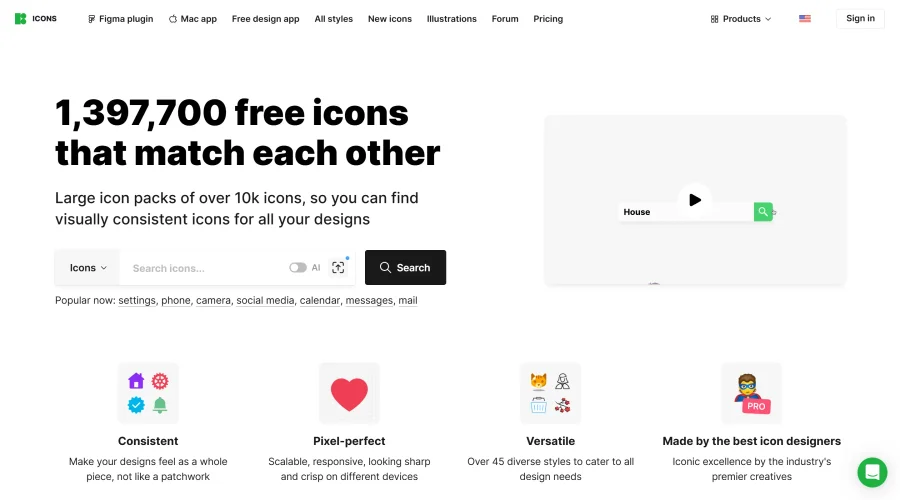

Icons8
Large icon packs featuring over 10,000 icons for consistent design themes.
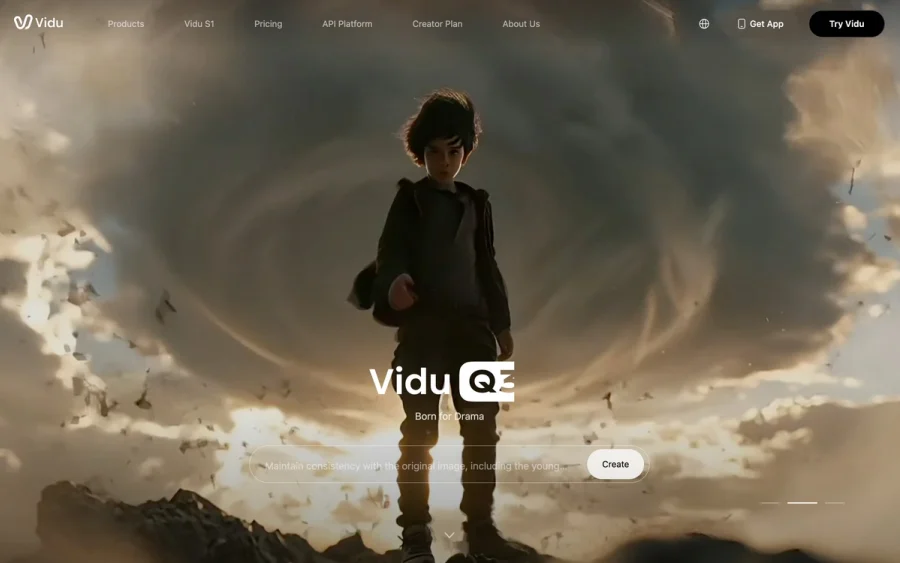

Vidu
AI video generator with text, image and reference-to-video modes, producing 3–16 second clips at up to 1080p with characters that stay consistent across shots.
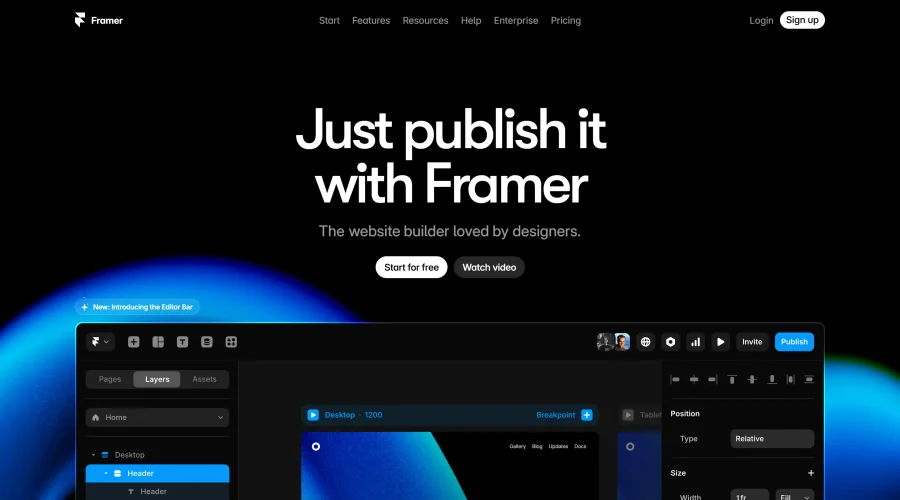

Framer
Design and launch your dream website with no coding required.
Continue Your Learning Journey
The design glossary is just the beginning. Explore more terms, discover tools, and level up your design skills.