
Scope Creep
Uncontrolled expansion of project scope (features, requirements) that can lead to delays or budget issues.
What is Scope Creep?
Scope creep refers to the uncontrolled expansion of a project's scope, involving changes to features, requirements, or deliverables beyond the original agreement. This phenomenon often results in delays, budget overruns, and increased project risks.
Causes of Scope Creep
Scope creep typically occurs when new project requirements are introduced by clients or stakeholders after the project has commenced. These changes may not be properly assessed or documented, leading to additional tasks and deliverables without corresponding adjustments in resources or timelines.
Effects on Projects
- Delays: Adding new features or requirements can extend the project timeline, making it difficult to meet the original deadlines.
- Budget Overruns: The increased scope often demands more resources, leading to higher costs without a corresponding budget increase.
- Stress on Team Members: Scope creep can cause undue stress on project teams, as they are expected to deliver more with the same resources and time constraints.
Managing Scope Creep
To mitigate scope creep, project managers can implement several strategies:
- Change Management Process: Establish a formal process for handling change requests, ensuring that all changes are documented and approved.
- Clear Communication: Maintain open communication with stakeholders to ensure that everyone understands the implications of scope changes.
- Resource Allocation: Adjust resources and timelines accordingly when scope changes are approved.
Importance of Scope Management
Effective scope management is crucial for maintaining project control and ensuring successful outcomes. It involves defining clear project boundaries, monitoring changes, and adapting to them in a controlled manner.
Strategies for Preventing Scope Creep
Preventing scope creep requires careful planning and proactive management:
- Define Clear Project Scope: Establish a well-defined project scope from the outset to minimize the likelihood of uncontrolled changes.
- Use Change Requests: Implement a formal change request process to manage and approve any scope changes.
- Regular Project Updates: Keep stakeholders informed about project progress and any potential scope changes.
Benefits of Controlled Scope Changes
- Reduced Project Risk: Managing scope changes effectively reduces the risk of project delays and budget issues.
- Improved Stakeholder Satisfaction: Clear communication and controlled scope changes help maintain stakeholder satisfaction and trust.
- Enhanced Team Productivity: By avoiding unnecessary stress and workload increases, teams can focus on delivering high-quality results within the agreed-upon scope.
Conclusion
Scope creep is a common challenge in project management that can have significant negative impacts if not managed properly. By understanding its causes, effects, and implementing effective strategies for prevention and management, project managers can ensure that projects remain on track and meet their intended objectives.
Explore Other Terms
A/B Testing (Split Testing)
ResearchComparing two versions of a design or feature to see which performs better.
Accessibility
UXDesigning products and interfaces usable by people with varying abilities (e.g., vision, motor, cognitive).
Accessibility Tree
UXA structure that assistive tech (like screen readers) uses to interpret and convey interface elements to users.
Adaptive Design
UICreating distinct layouts tailored for specific screen sizes rather than using one responsive layout.
Alignment
GraphicArranging elements so their edges or centers line up, promoting order and unity.
Aspect Ratio
UI / GraphicThe proportional relationship between width and height of an image or screen (e.g., 16:9).
Explore Design Tools
Discover tools that help you apply scope creep in your work.
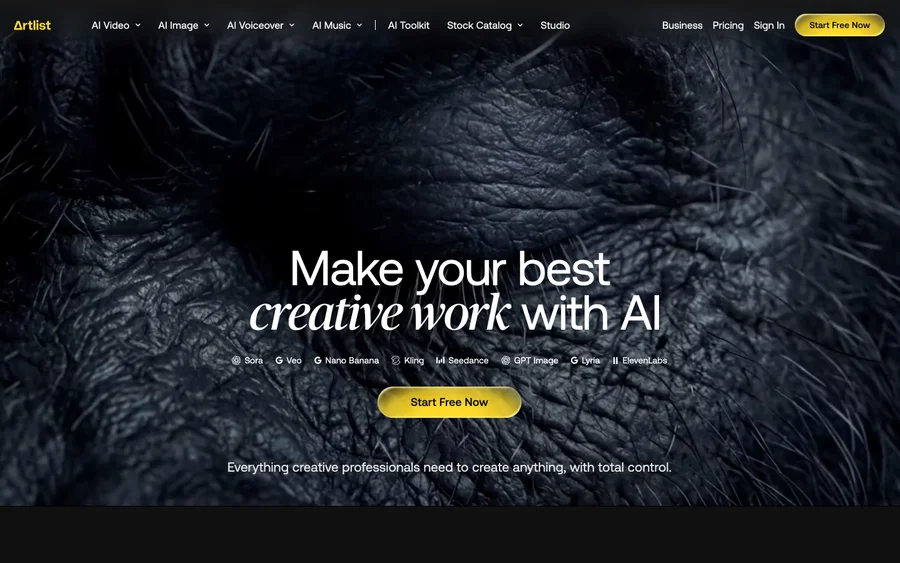

Artlist
Royalty-free music, SFX, 8K footage, templates, LUTs and 100+ AI models on a single subscription for video creators.
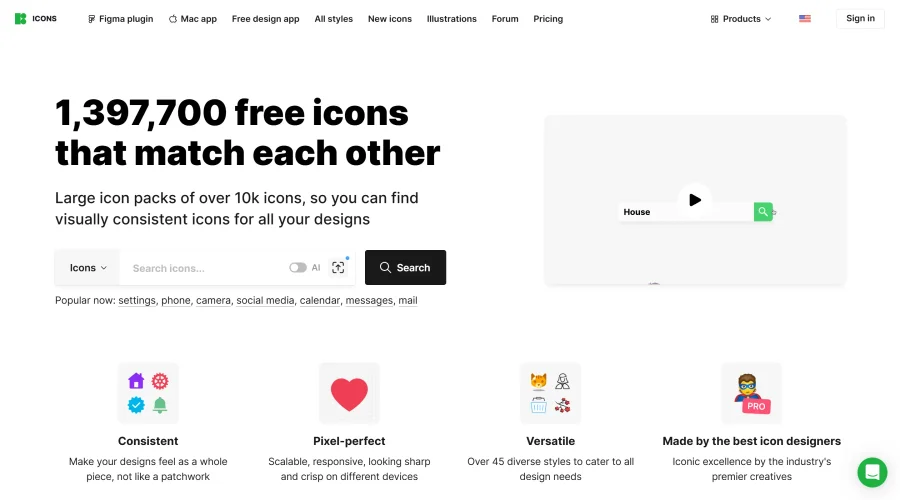

Icons8
Large icon packs featuring over 10,000 icons for consistent design themes.
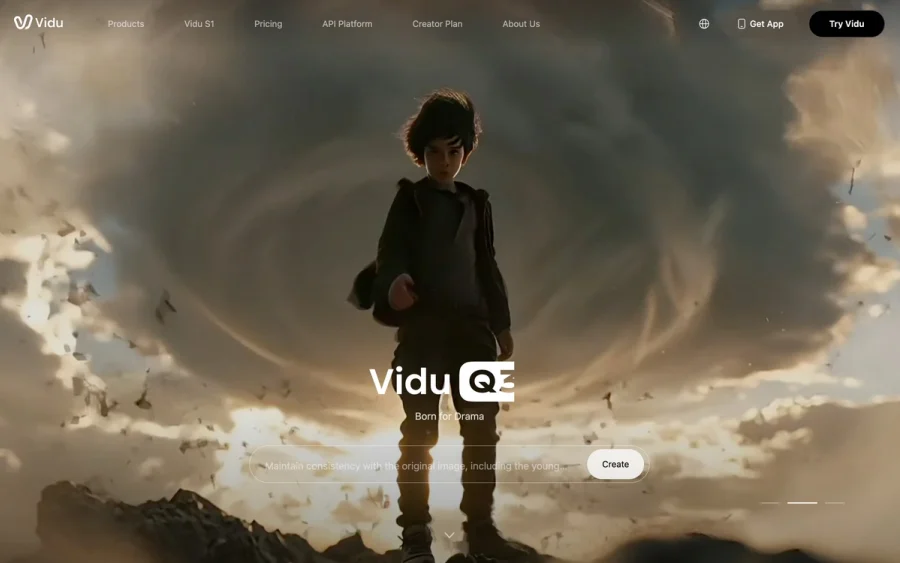

Vidu
AI video generator with text, image and reference-to-video modes, producing 3–16 second clips at up to 1080p with characters that stay consistent across shots.
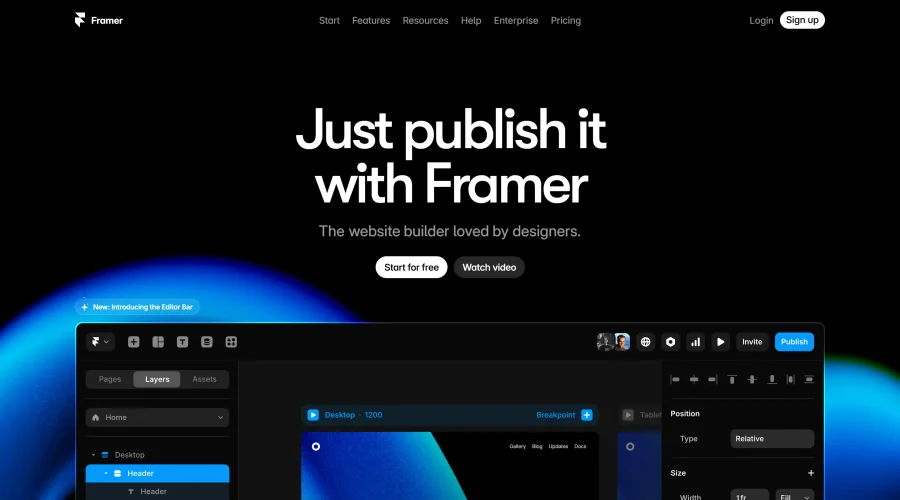

Framer
Design and launch your dream website with no coding required.
Continue Your Learning Journey
The design glossary is just the beginning. Explore more terms, discover tools, and level up your design skills.