
Touchpoint
Any moment (digital or physical) where a user interacts with a brand or product.
What is Touchpoint in UX?
A touchpoint refers to any instance where a user interacts with a brand or product, whether through digital interfaces like websites or mobile apps, or physical interactions such as retail stores or product packaging. These interactions are crucial in shaping the user's overall experience and perception of the brand. In UX/UI design, understanding and optimizing touchpoints is essential to create seamless and engaging experiences across various channels and devices.
What are Digital Touchpoints?
Digital touchpoints include websites, mobile apps, social media platforms, email communications, online advertisements, and chatbots. These provide users with convenient and accessible ways to engage with brands, access information, make purchases, or seek support.
What are Physical Touchpoints?
Physical touchpoints involve tangible interactions with physical products or environments, such as retail stores, signage, product packaging, product displays, brochures, kiosks, and promotional materials. These allow users to physically interact with a brand, providing sensory experiences that can leave lasting impressions.
What are Customer Service Touchpoints?
Customer service touchpoints encompass interactions between users and customer support representatives via phone calls, live chat, email conversations, social media interactions, and support forums. Effective customer service touchpoints are vital for resolving user issues, providing assistance, and building positive customer relationships.
What are Social Media Touchpoints?
Social media touchpoints include interactions on platforms like Facebook, Twitter, Instagram, LinkedIn, YouTube, TikTok, and Snapchat. These allow brands to engage with users, share content, gather feedback, and build communities around their products or services.
Role of Touchpoints in UX/UI Design
In the context of UX/UI design, touchpoints represent opportunities for users to engage, interact, and form impressions about a product or service. Each touchpoint contributes to the overall user journey, influencing the user's perception of the entire experience. Consistency, responsiveness, clarity, and accessibility are key factors in ensuring that touchpoints provide positive user experiences.
Importance of Optimizing Touchpoints
Optimizing touchpoints is crucial for businesses aiming to provide exceptional user experiences. Consistency across touchpoints helps avoid confusion and ensures a cohesive brand image. Responsive and clear interactions enhance user satisfaction, while accessible design ensures inclusivity for all users.
Common Issues with Touchpoints
Common issues with touchpoints include:
- Lack of Consistency: Different visual designs or interaction patterns can create disorientation.
- Poor Responsiveness: Slow loading times or unresponsive interfaces lead to frustration.
- Complexity: Overly complex interactions hinder users from achieving their goals.
- Lack of Clarity: Ambiguous instructions or notifications confuse users.
- Inadequate Accessibility: Failure to provide accessibility features excludes users with impairments.
Resolving Touchpoint Issues
To resolve these issues, businesses should focus on:
- Consistency: Ensure uniform design and interaction patterns.
- Responsiveness: Optimize for fast loading times and smooth interactions.
- Simplification: Streamline processes and interfaces.
- Clarity: Use clear and concise communication.
- Accessibility: Incorporate features like alt text, keyboard navigation, and color contrast.
By understanding and addressing these aspects, organizations can enhance their touchpoints, leading to more positive and engaging user experiences that strengthen brand loyalty and satisfaction.
Explore Other Terms
A/B Testing (Split Testing)
ResearchComparing two versions of a design or feature to see which performs better.
Adaptive Design
UICreating distinct layouts tailored for specific screen sizes rather than using one responsive layout.
Alignment
GraphicArranging elements so their edges or centers line up, promoting order and unity.
Aspect Ratio
UI / GraphicThe proportional relationship between width and height of an image or screen (e.g., 16:9).
Atomic Design
UIA methodology breaking UIs into basic building blocks (atoms, molecules, organisms) for consistency and scalability.
Balance
GraphicThe visual distribution of elements in a layout; can be symmetrical, asymmetrical, or radial.
Explore Design Tools
Discover tools that help you apply touchpoint in your work.


Artlist
Royalty-free music, SFX, 8K footage, templates, LUTs and 100+ AI models on a single subscription for video creators.

Icons8
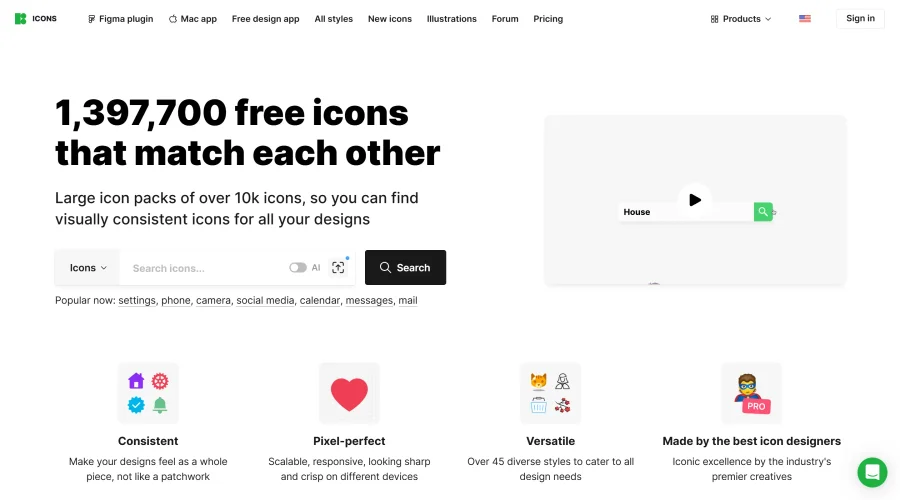
Large icon packs featuring over 10,000 icons for consistent design themes.


Vidu
AI video generator with text, image and reference-to-video modes, producing 3–16 second clips at up to 1080p with characters that stay consistent across shots.

Framer
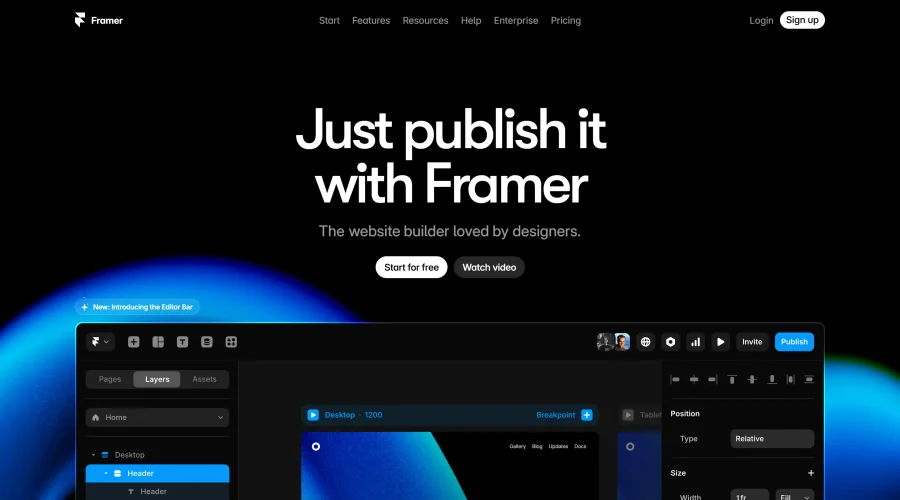
Design and launch your dream website with no coding required.
Continue Your Learning Journey
The design glossary is just the beginning. Explore more terms, discover tools, and level up your design skills.