
Sans Serif
A typeface category without small strokes (serifs) at the ends of letters (e.g., Arial).
What are Sans Serif Fonts?
Sans Serif is a typeface category known for its clean and modern appearance, characterized by the absence of small strokes, or serifs, at the ends of letters. This style is highly versatile and widely used in digital design due to its legibility and minimalist aesthetic.
History and Evolution
Sans Serif typefaces have evolved significantly since their introduction, influenced by design movements such as Bauhaus. Initially popularized in the early 20th century, they gained prominence in digital contexts for their on-screen readability.
Types of Sans Serif Fonts
There are several classifications of Sans Serif fonts:
- Grotesque: Early versions resembling Serif fonts without serifs.
- Neo-Grotesque: Known for simplicity and polish.
- Geometric: Based on geometric shapes with consistent stroke weights.
- Humanist: Influenced by calligraphy with varied stroke weights.
Usage in Design
Sans Serif fonts are commonly used in:
- Headlines and Logos: For their modern and sleek appearance.
- Digital Interfaces: Due to high legibility on screens.
- Signage: For clarity and visibility.
Popular Examples
Some popular Sans Serif fonts include:
- Helvetica
- Arial
- Futura
- Gotham
- Roboto
SEO Description
Sans Serif fonts are a cornerstone of modern design, offering a clean and contemporary look. They are ideal for digital applications, providing excellent legibility and a minimalist aesthetic. Commonly used in UI/UX design, these fonts enhance user experience with their clarity and modern feel. Popular examples include Helvetica and Arial, making them a staple in graphic design and digital interfaces.
Key Points for Designers
- Legibility: Sans Serif fonts are highly legible on digital screens.
- Versatility: Suitable for various design contexts, from logos to body text.
- Aesthetic: Conveys a modern, sleek appearance.
Design Applications
- UX/UI Design: Used for clarity and user interface readability.
- Graphic Design: Employed in logos, headlines, and signage.
- Web Design: Ideal for digital interfaces due to high on-screen legibility.
Tips for Choosing the Right Sans Serif Font
- Consider Context: Match the font style to the project's tone and audience.
- Balance: Ensure the font balances well with other design elements.
- Legibility: Prioritize fonts that remain clear in various sizes and resolutions.
Conclusion
Sans Serif fonts play a crucial role in modern design, offering a clean, modern aesthetic that enhances user experience across digital platforms. Their versatility and legibility make them a preferred choice for designers working in UX/UI and graphic design contexts.
Explore Other Terms
A/B Testing (Split Testing)
ResearchComparing two versions of a design or feature to see which performs better.
Accessibility
UXDesigning products and interfaces usable by people with varying abilities (e.g., vision, motor, cognitive).
Accessibility Tree
UXA structure that assistive tech (like screen readers) uses to interpret and convey interface elements to users.
Adaptive Design
UICreating distinct layouts tailored for specific screen sizes rather than using one responsive layout.
Alignment
GraphicArranging elements so their edges or centers line up, promoting order and unity.
Aspect Ratio
UI / GraphicThe proportional relationship between width and height of an image or screen (e.g., 16:9).
Explore Design Tools
Discover tools that help you apply sans serif in your work.
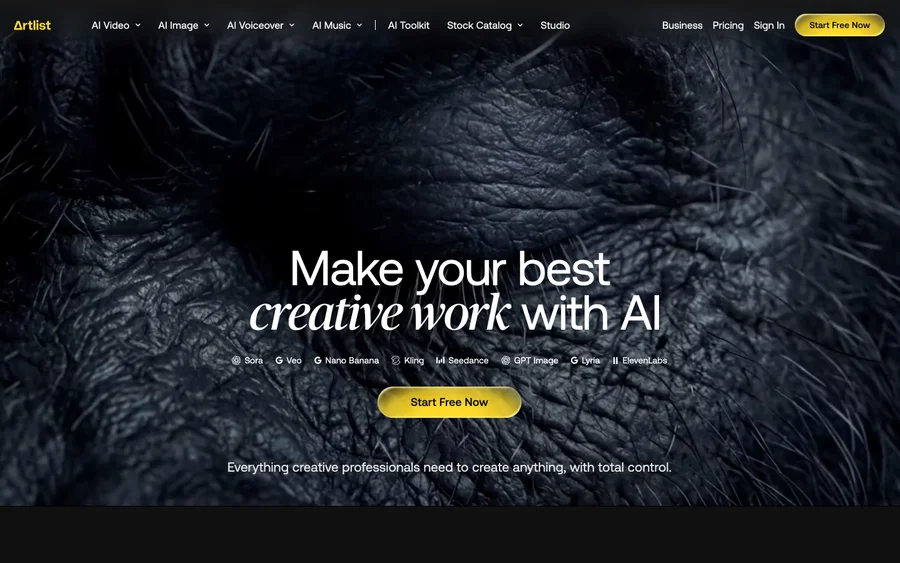
Artlist
Royalty-free music, SFX, 8K footage, templates, LUTs and 100+ AI models on a single subscription for video creators.
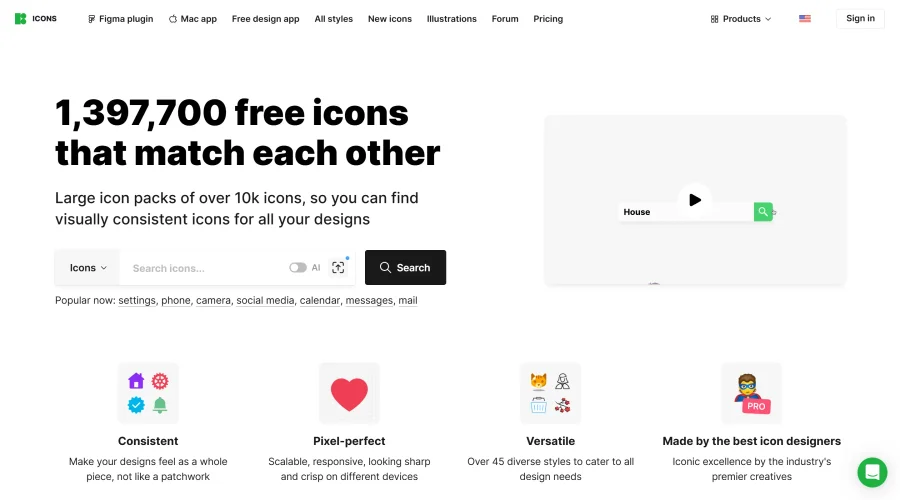

Icons8
Large icon packs featuring over 10,000 icons for consistent design themes.
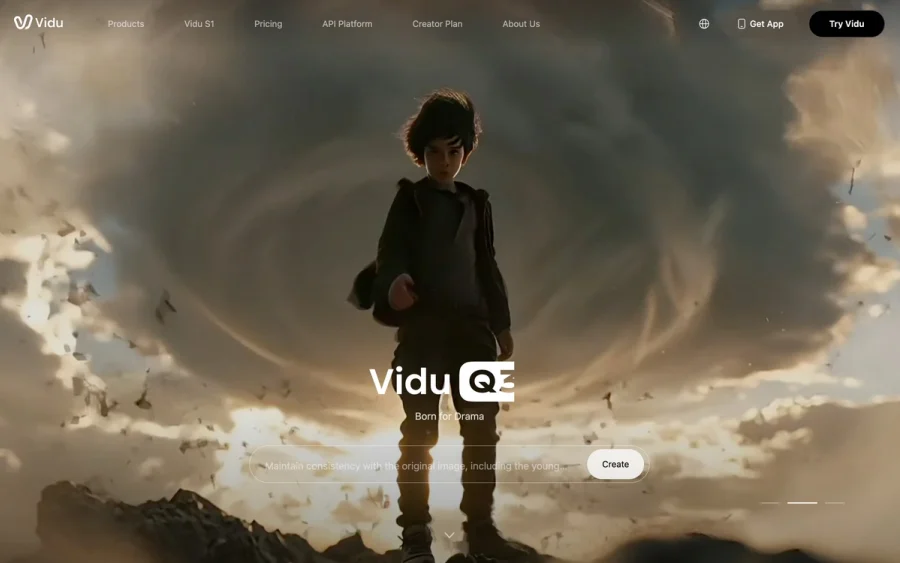

Vidu
AI video generator with text, image and reference-to-video modes, producing 3–16 second clips at up to 1080p with characters that stay consistent across shots.

Framer
Design and launch your dream website with no coding required.
Continue Your Learning Journey
The design glossary is just the beginning. Explore more terms, discover tools, and level up your design skills.